Zhongshan Laibo Ruichen Biomedicine Co. Ltd. has patented new polypeptides and their drug conjugates potentially useful for the treatment of osteoporosis.
The U.K.’s National Institute for Health and Care Excellence is revisiting its policy for osteoporosis and may recommend that clinicians include vertebral fracture assessment with dual energy X-ray absorptiometry procedures.
Vertebral compression fractures are one of the more obvious signs of osteoporosis but can be difficult to diagnose, one of several reasons the U.K. National Institute for Health and Care Excellence has given the nod to five AI products that can improve rapid detection of these fractures.
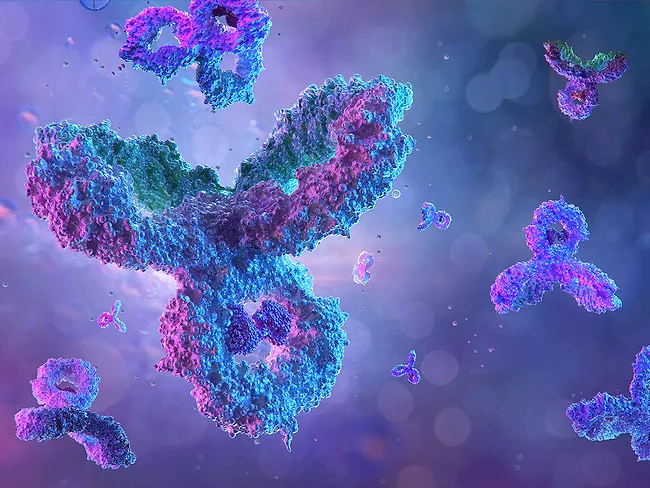
Researchers from Mount Sinai Center for Translational Medicine and Pharmacology at Icahn School of Medicine at Mount Sinai and colleagues have developed a therapeutic humanized antibody that blocks the action of follicle-stimulating hormone (FSH), a pituitary hormone previously thought to only play a role in fertility.
Osteoarthritis arises from breakdown of cartilage covering bone joints, which leads to chronic inflammation, and current therapies provide only short-term relief with risk of side effects. In an effort to identify next-generation treatments, researchers at Chang Gung University and Chang Gung Memorial Hospital have identified a potential novel therapeutic target, platelet-derived growth factor receptor-like protein (PDGFRL).
Homeobox genes, a conserved family of transcription factors, are key regulators of embryogenesis, cell growth and differentiation, and have been linked to bone mass regulation and osteogenesis. However, their specific roles in postmenopausal osteoporosis and osteoclast development are still not well understood, with limited and fragmented knowledge on which genes are central to these processes.
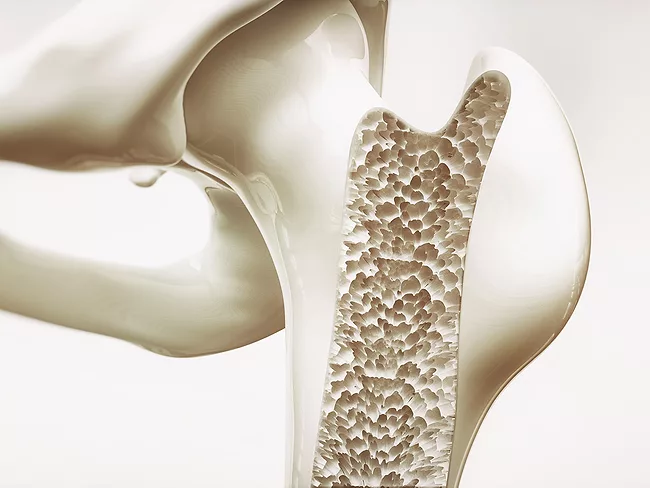
Osteoporosis involves degradation of bone throughout the body, and it already affects nearly a quarter of a billion people in the aging global population.
Celltrion Inc. is on a biosimilar roll with the U.S. FDA this month, having gained clearance of Stoboclo and Osenvelt as products referencing Amgen Inc.’s biologic, denosumab (Prolia, Xgeva), along with Omlyclo becoming the first and only interchangeable biosimilar to omalizumab (Xolair, Genentech Inc. and Novartis AG).
Celltrion Inc. is on a biosimilar roll with the U.S. FDA this month, having gained clearance of Stoboclo and Osenvelt as products referencing Amgen Inc.’s biologic, denosumab (Prolia, Xgeva), along with Omlyclo becoming the first and only interchangeable biosimilar to omalizumab (Xolair, Genentech Inc. and Novartis AG).