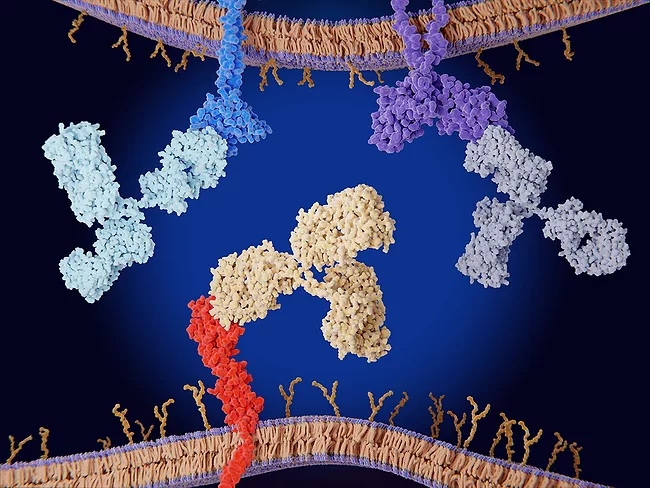
Chinese pharmaceutical companies are making significant inroads into the global oncology market, particularly with the development and approval of immune checkpoint inhibitors. These treatments, which have shown strong efficacy in various cancer indications, are not only transforming the oncology landscape in China but are also gaining traction in high-value international markets, including the U.S.
China’s National Medical Products Administration has given the thumbs up to Junshi Biosciences Co. Ltd.’s NDA for ongericimab, a recombinant humanized anti-PCSK9 monoclonal antibody, marking the third PCSK9 inhibitor to be cleared in China.
China’s National Medical Products Administration has given the thumbs up to Junshi Biosciences Co. Ltd.’s NDA for ongericimab, a recombinant humanized anti-PCSK9 monoclonal antibody, marking the third PCSK9 inhibitor to be cleared in China.
China’s National Medical Products Administration (NMPA) cleared 40 novel innovative drugs in 2023, of which nearly half were cancer therapies, marking a significant increase from the 21 new class 1 drugs approved in 2022.
China’s National Medical Products Administration (NMPA) cleared 40 novel innovative drugs in 2023, of which nearly half were cancer therapies, marking a significant increase from the 21 new class 1 drugs approved in 2022.
Patients living with aggressive nasopharyngeal carcinoma (NPC) now have a new treatment option with the U.S. FDA approval of Junshi Biosciences Co. Ltd./Coherus Biosciences Inc.’s PD-1 inhibitor antibody Loqtorzi (toripalimab), which will likely become the new standard of care for NPC.
Patients living with aggressive nasopharyngeal carcinoma (NPC) now have a new treatment option with the U.S. FDA approval of Junshi Biosciences Co. Ltd./Coherus Biosciences Inc.’s PD-1 inhibitor antibody Loqtorzi (toripalimab), which will likely become the new standard of care for NPC.
Notching another deal in its efforts to extend the global reach of toripalimab, Junshi Biosciences Co. Ltd. granted Dr. Reddy’s Laboratories Ltd. rights to develop and commercialize the PD-1 inhibitor in a regional licensing agreement that could be worth as much as $728.3 million.
Notching another deal in its efforts to extend the global reach of toripalimab, Junshi Biosciences Co. Ltd. granted Dr. Reddy’s Laboratories Ltd. rights to develop and commercialize the PD-1 inhibitor in a regional licensing agreement that could be worth as much as $728.3 million.
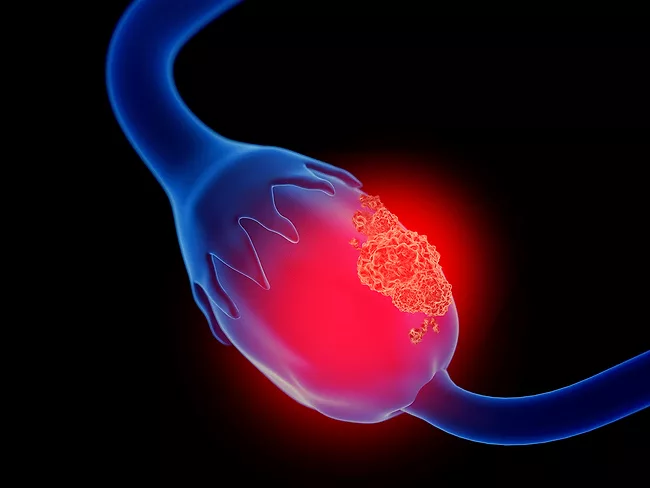
Junshi Biosciences Co. Ltd.’s PARP inhibitor, senaparib (JS-109/IMP4297), met the primary endpoint of progression-free survival in a phase III ovarian cancer study, according to a prespecified interim analysis.