The U.S. FDA has released the special controls needed for extracorporeal carbon dioxide removal thanks to the successful pursuit of a de novo petition by Pittsburgh-based Alung Technologies Inc., but generating the clinical data for successor 510(k) devices will be no mean feat. While some of the associated in vivo testing may be performed on animal models, the list is extensive and includes testing for hemodynamic instability and inadequate gas exchange, all reasons that Alung and the FDA needed the better part of a decade to bring this device to the U.S. market.
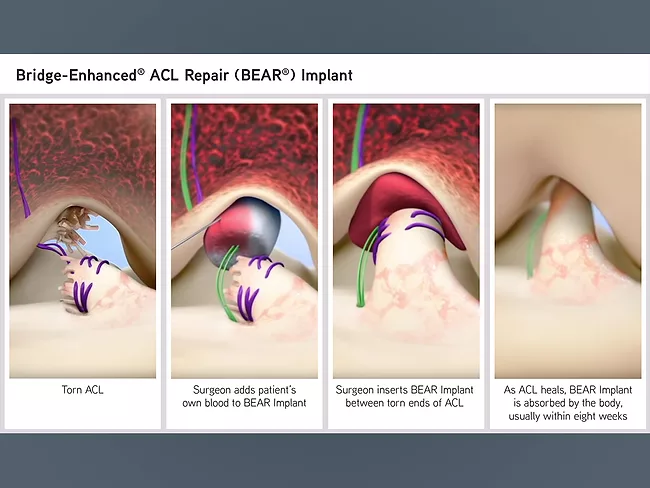
Miach Orthopaedics Inc. got a leg up on competitors with the U.S. FDA's de novo approval of its Bridge-Enhanced ACL Repair (BEAR) implant. The company achieved a long-term goal in orthopedics, developing a graft-free system that enables the anterior cruciate ligament (ACL) to repair itself. The device represents the first new treatment for ACL tears in three decades.