President Joseph Biden signed into law the CHIPS and Science Act of 2022, a bill that calls for investment of $280 billion overall into the development and manufacturing of semiconductor products and which should ease the crunch on these products for medical device manufacturers. However, some have estimated that bringing new production capacity online can take three to five years, suggesting that the med-tech industry will need to continue to devise workarounds to the current supply crunch for the immediate future.
The shortage of semiconductor products has plagued the U.S. medical device industry for better than a year, but there is legislation in play in Washington that might bring some relief. The White House held a July 25 briefing during which President Joseph Biden promised his support for the CHIPS Plus Act of 2022, a development that could break a legislative logjam.
Medical device supply chain considerations became especially salient during the COVID-19 pandemic, but the U.S. FDA is interested in ensuring that supply chains do not hamper patient access going forward. However, Clayton Hall of the Medical Device Manufacturers Association (MDMA) said on a recent FDA webinar that device makers are sometimes at the mercy of their suppliers.
The shortage of semiconductor products, such as computer processors, was an artifact of the COVID-19 pandemic, but the shortage has yet to ease, to the detriment of hospitals, device makers and patients. That dilemma surfaced again as the U.S. Department of Commerce met with device makers to discuss the dilemma, which in the views of some still constitutes a crisis of health care.
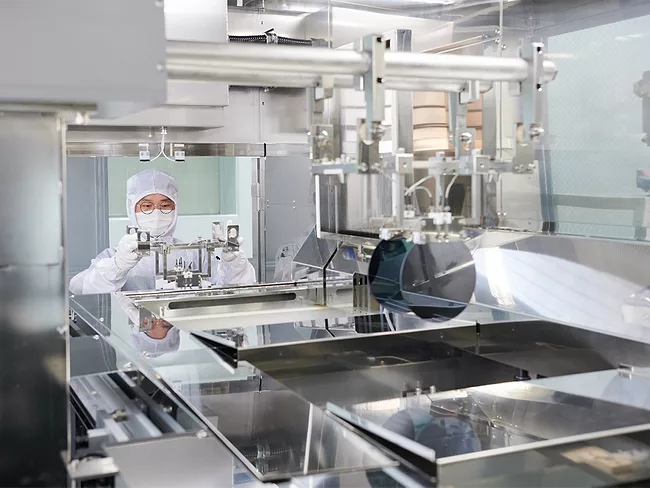
Semiconductors chips, a key component in many medical devices, continue to be in short supply as COVID-19-driven supply chain disruptions continue. The shortage comes at the worst possible time, with demand for the chips on an upward trend. Nano-x Imaging Ltd.’s (Nanox) solution to the shortage was to open a semiconductor chip fabrication plant in Yongin, South Korea, to produce Nanox.source, a semiconductor chip that replaces the filament in the analog X-ray tube.
The semiconductor industry has been hit hard by shortages of computer central processing units (CPUs) in recent months, but the persistence of these shortages has prompted a new response from industry. The Advanced Medical Technology Association (AdvaMed) said device makers are taking steps to ease the crunch, but that the Biden administration must take steps to ensure that medical technologies do not suffer from shortages, given the critical role played by devices in patient care.