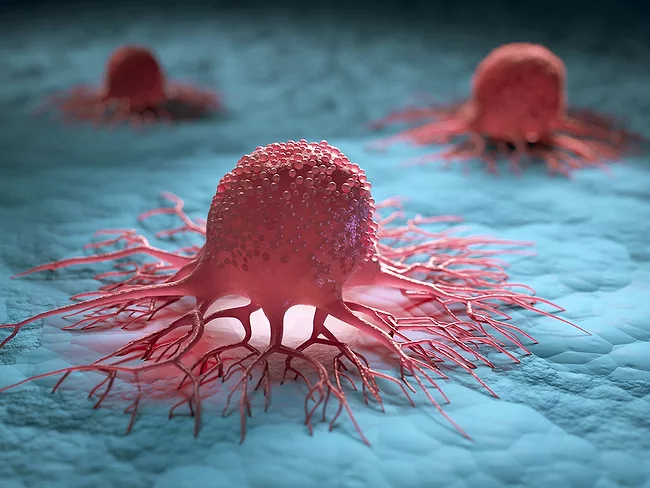
Bladder cancer is among the 10 most frequent cancers around the world. While potentially effective treatments exist, they do not benefit all patients, so investigators continue to search for new targets. Researchers at Nanjing Drum Tower Hospital have identified sideroflexin 1 (SFXN1) as a potential therapeutic target.
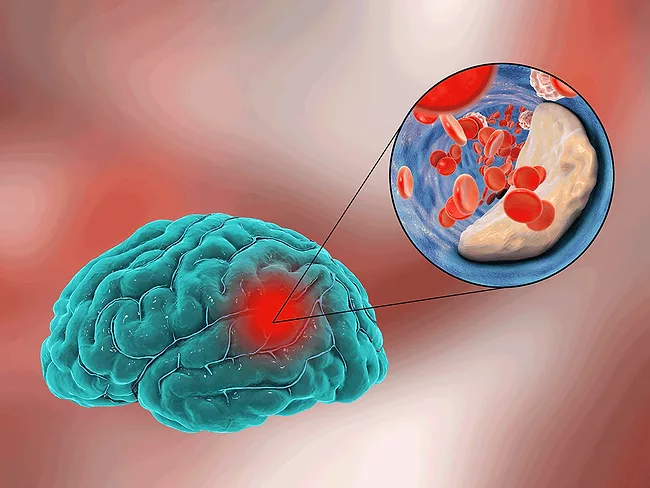
Ischemic stroke triggers a strong neuroinflammatory response, with microglial activation and neutrophil infiltration contributing to blood-brain barrier disruption and worsening neuronal damage.
Researchers in from Nanjing Drum Tower Hospital have presented data from a study that investigated the role of immunoglobulin superfamily member 6 (IGSF6) microglia during ischemic stroke.
Researchers from Nanjing Drum Tower Hospital reported findings from their evaluation of the role of NLR family CARD domain containing 5 (NLRC5) in post-stroke neuroinflammation. Immunofluorescence staining of mouse brains revealed that NLRC5 was mainly expressed in microglia.
While simultaneous targeting of PD-1 and TGF-β has been previously suggested to be a favorable strategy to reverse immune checkpoint inhibitor (ICI) resistance of tumors, the hydrophobicity of TGF-β inhibitors and latent drug-related adverse events of this treatment hindered its utility.