Researchers from Zhejiang Jieyuan Med-Tech Co. Ltd. and collaborators have reported the design and preclinical characterization of a novel series of benzylamine derivatives acting as PD-1/PD-L1 inhibitors, with HD-10 being the most potent compound.
Abbisko Therapeutics Co. Ltd. announced positive first-in-human data for its highly selective fibroblast growth factor receptor (FGFR) 4 inhibitor, irpagratinib (ABSK-011), for treating advanced hepatocellular carcinoma with FGF19 overexpression, which is seen in roughly 30% of liver cancers.
The structures of the majority of PD-1/PD-L1 inhibitors currently in use are derived from the arylmethylamine/biphenyl scaffold. Researchers from Southern Medical University reported on the discovery and preclinical evaluation of a novel series of non-arylmethylamine-based PD-1/PD-L1 inhibitors for use in cancer immunotherapy.
Hangzhou Healzen Therapeutics Co. Ltd. has synthesized programmed cell death 1 (PDCD1; PD-1; CD279)/PD-1 ligand 1 (PD-L1; CD274) interaction inhibitors reported to be useful for the treatment of cancer, infections, immunological and inflammatory disorders.
Bristol Myers Squibb Co. has presented macrocyclic peptides acting as programmed cell death 1 (PD-1)/PD-1 ligand 1 (PD-L1) interaction inhibitors reported to be useful for the treatment of cancer and infections.
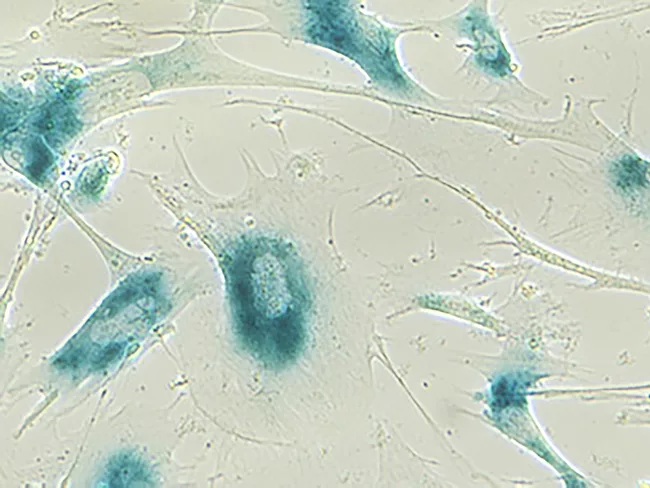
Low-dose administration of anti-PD-1 monoclonal antibodies could potentially reverse conditions associated with aging such as the accumulation of senescent cells and inflammation, according to a new study conducted at the Institute of Medical Science at the University of Tokyo.