While phase II results of Coya Therapeutics Inc.’s low-dose IL-2 drug, COYA-301, showed promise in Alzheimer’s disease patients when dosed every four weeks, it was the more frequent dosing of every two weeks that led to exhausted regulatory T cells and no benefits, driving down the company’s stock by nearly 28%.
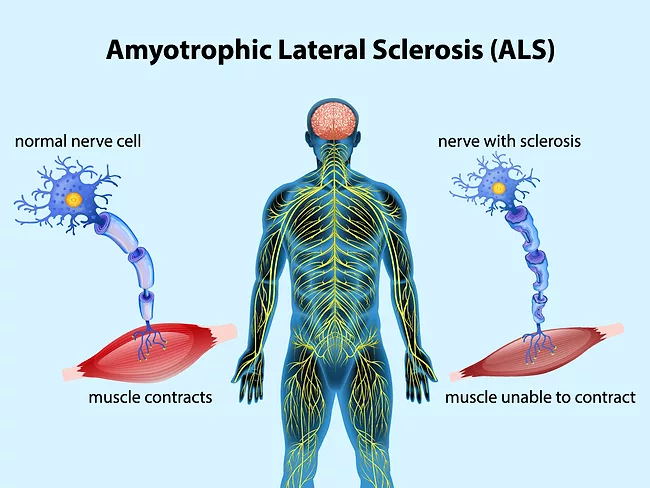
Patients with amyotrophic lateral sclerosis (ALS) have a median survival of 2 to 5 years. There are 3 FDA-approved drugs for ALS (riluzole, edaravone and Relyvrio [phenylbuturate/taurursodiol]), but they only lead to modest benefit. There are several pathways involved in the disease, but all of them lead to neuroinflammation.
Coya Therapeutics Inc. intends to expand proposed indications for COYA-302 beyond amyotrophic lateral sclerosis (ALS) to include frontotemporal dementia (FTD) and Parkinson’s disease.
Coya Therapeutics Inc. has announced expansion of its exclusive worldwide rights for the development and commercialization of COYA-301, the company's low-dose IL-2 subcutaneous administration product candidate. COYA-301 is intended to enhance regulatory T-cell (Treg) function in vivo to treat the systemic neuro-inflammation underlying certain autoimmune and neurodegenerative diseases.
Fresh off an end-of-year IPO, Coya Therapeutics Inc. is gearing up for clinical testing with its lead Treg-enhancing biologic in neurodegenerative disease, aiming to build on a wealth of academic-generated data highlighting the potential of Treg therapy to attack the neuroinflammation underlying diseases such as amyotrophic lateral sclerosis and Alzheimer’s disease.