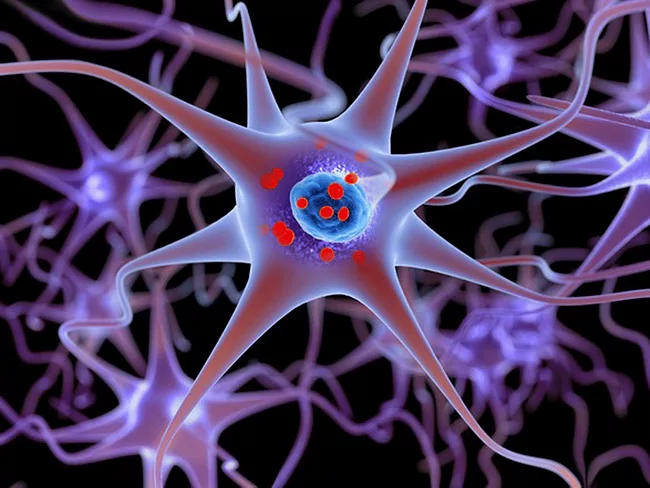
Parkinson’s disease (PD) is a neurodegenerative disorder characterized by the progressive loss of dopaminergic (DA) neurons in the substantia nigra, leading to clinical symptoms such as tremors, rigidity, bradykinesia and postural instability.
Researchers from the University of Barcelona and collaborators reported the discovery and preclinical characterization of novel imidazoline I2 receptor ligands (I2-IRs). Among the series, the most potent compound, [I], had a Ki value of 1.05 nM for the I2-IR and no I2/α2 selectivity.
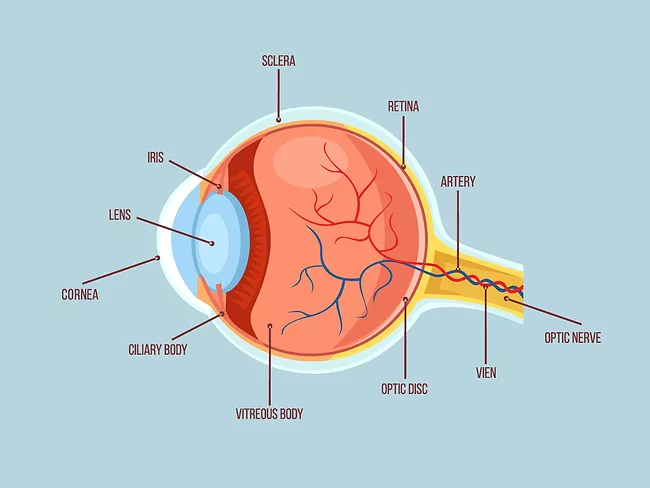
Proper survival and regeneration of retinal ganglion cells (RGCs), which constitute the optic nerve, is crucial for managing traumatic or ischemic optic nerve injury, optic neuropathy, or optic pathway gliomas. Researchers from Wenzhou Medical University described the synthesis of novel spirocyclic chalcone derivatives designed to combat optic nerve damage.
Researchers from Shandong University reported on the preclinical characterization of A3B3C-1, a multifunctional agent for the treatment of Alzheimer’s disease (AD), taking into account its complex nature. With multiple processes involved in its pathogenesis, the exploration of multi-target drugs may fit to address the combination of pathological factors in AD.
Previous research has suggested that neurons in multiple sclerosis (MS) exhibit metabolic exhaustion, believed to be caused by chronic hyperexcitability, which can lead to neurodegeneration. Researchers from Heidelberg University and affiliated organizations aimed to investigate the role of nodal Kv7 (outward rectifying) and perinodal oligodendroglial Kir4.1 (inward rectifying) channels as potential therapeutic targets for neuroprotection through balancing of neuronal excitability caused by inflammatory demyelination.