Hangzhou Jiuyuan Gene Engineering Co. Ltd. raised HKD$485.4 million (US$62.38 million) in a November 28 IPO on the main board of the Hong Kong Stock Exchange (HKEX:2566).
Hangzhou Jiuyuan Gene Engineering Co. Ltd. raised HKD$485.4 million (US$62.38 million) in a November 28 IPO on the main board of the Hong Kong Stock Exchange (HKEX:2566).
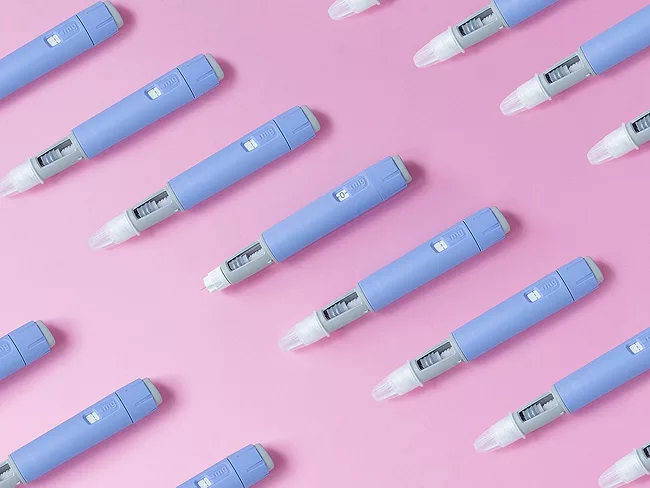
Two leading glucagon-like peptide-1 (GLP-1) receptor agonists for obesity and type 2 diabetes – Novo Nordisk A/S’s semaglutide (Wegovy/Ozempic) and Eli Lilly and Co.’s tirzepatide (Mounjaro/Zepbound) – are advancing in China after taking the U.S. market by storm.
Chinese pharmaceutical and biotech companies are leading development of glucagon-like peptide-1 receptor agonists as Novo Nordisk A/S and Eli Lilly and Co. edge closer to launching blockbuster therapies in China. At the heart of the GLP-1 boom is a nationwide obesity problem driven by a confluence of factors, including the rise of a modern, sedentary lifestyle, according to Clarivate. Despite the rising prevalence of obesity and type 2 diabetes, the gap in obesity therapeutics is “substantial and leaves a solid market opportunity for weight loss drugs,” Karan Verma, principal analyst of healthcare research & data analytics at Clarivate, said.
Chinese pharmaceutical and biotech companies are leading development of glucagon-like peptide-1 receptor agonists as Novo Nordisk A/S and Eli Lilly and Co. edge closer to launching blockbuster therapies in China. At the heart of the GLP-1 boom is a nationwide obesity problem driven by a confluence of factors, including the rise of a modern, sedentary lifestyle, according to Clarivate. Despite the rising prevalence of obesity and type 2 diabetes, the gap in obesity therapeutics is “substantial and leaves a solid market opportunity for weight loss drugs,” Karan Verma, principal analyst of healthcare research & data analytics at Clarivate, said.
Two leading glucagon-like peptide-1 (GLP-1) receptor agonists for obesity and type 2 diabetes – Novo Nordisk A/S’s semaglutide (Wegovy/Ozempic) and Eli Lilly and Co.’s tirzepatide (Mounjaro/Zepbound) – are advancing in China after taking the U.S. market by storm. China represents the world’s largest population of diabetes and obesity patients. Its GLP-1 market, valued at about $1.7 billion in 2023 according to Clarivate, is expected to grow as the number of obesity patients is projected to exceed 500 million by 2033.
Three Chinese biopharmaceuticals have filed for IPOs on the Hong Kong exchange in July alone, highlighting a potential “newfound positivity” to strengthen the HKEX IPO market in the second half of 2024.
Follow-on biologic makers in China have been working to capitalize on looming patent cliffs of blockbuster biologics. Advancing biosimilars of denosumab (Prolia/Xgeva; Amgen Inc.) and semaglutide are the latest examples.
Follow-on biologic makers in China have been working to capitalize on looming patent cliffs of blockbuster biologics. Advancing biosimilars of denosumab (Prolia/Xgeva; Amgen Inc.) and semaglutide are the latest examples.