Infex Therapeutics Ltd. has published positive phase IIa data for its lead program, RESP-X, in the treatment of exacerbations of chronic respiratory infections caused by Pseudomonas aeruginosa and is now laying the ground for phase IIb development, after raising £4.3 million (US$5.8 million) in new capital.
Insmed Inc. has identified new cathepsin C (dipeptidyl peptidase I; DPP1) inhibitors potentially useful for the treatment of cancer, inflammatory bowel disease, bronchiectasis, asthma, cystic fibrosis, lupus nephritis, pulmonary hypertension and rheumatoid arthritis.
United Therapeutics Corp.’s founder, chairman and CEO Martine Rothblatt disclosed during the company’s fourth-quarter earnings call Feb. 25 the “unsheathing of a category killer product” known as Tresmi, a drug-device formulation of treprostinil delivered via a soft mist inhaler.
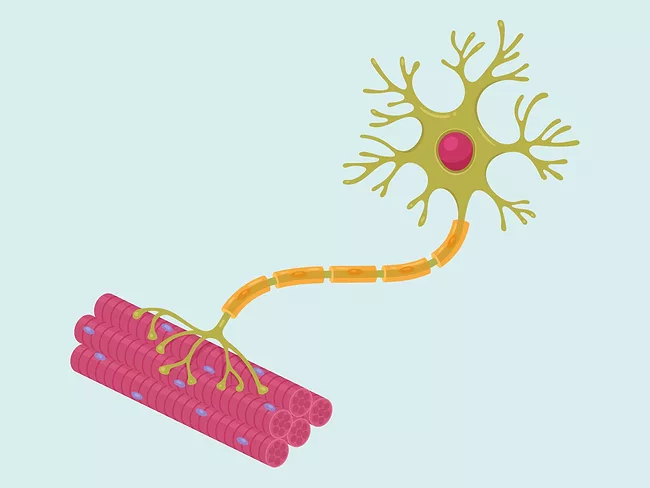
Superoxide dismutase 1 (SOD1) mutations were among the first genetic causes identified in familial amyotrophic lateral sclerosis (ALS) and confer a toxic gain-of-function that drives motor neuron degeneration via protein misfolding, oxidative stress, mitochondrial dysfunction and neuroinflammation.
Insmed Inc. has described cathepsin C (dipeptidyl peptidase I; DPP-1) inhibitors reported to be useful for the treatment of cancer, liver injury, osteoarthritis, heart failure, inflammatory bowel disease, rheumatoid arthritis, bronchiectasis and chronic obstructive pulmonary disease, among others.
The U.S. FDA cleared 18 drugs in August, comparable to July’s 17 but down from June’s 23 approvals. That brings the 2025 U.S. total through August to 143, matching 2020 as the second-highest count on record for BioWorldfor the period, after 2024’s high of 159.
Following positive data from competitors earlier this year, United Therapeutics Corp. rolled out impressive and unexpected phase III results of nebulized Tyvaso (treprostinil) for idiopathic pulmonary fibrosis (IPF), setting the stage for an sNDA filing with the U.S. FDA next year. If approved for the indication, United, of Silver Spring, Md., and Research Triangle Park, N.C., could tap into what analysts say is a $4 billion-plus market.
Insmed Inc. has synthesized cathepsin C (dipeptidyl peptidase I) inhibitors reported to be useful for the treatment of amyotrophic lateral sclerosis, asthma, cancer, chronic rhinosinusitis, heart failure, inflammatory bowel disease, psoriasis and thrombosis, among others.
Insmed Inc. CEO William Lewis said that offering two doses of Brinsupri (brensocatib) will complicate payer coverage “not at all, just the opposite. It’s going to give the flexibility to physicians to choose how they want to engage with their patients, wrestle with whatever issues may be in their minds related to safety [and] what have you.” The U.S. FDA approved Insmed’s first-in-class dipeptidyl peptidase 1 inhibitor, Brinsupri, given in 10-mg and 25-mg tablets as a once-daily treatment for noncystic fibrosis bronchiectasis in adults and children 12 and older.
Researchers from Insmed Inc. presented findings on INM-901, a novel synthetic cannabinoid analogue, demonstrating its effects in the 5xFAD mouse model of Alzheimer’s disease. Alzheimer’s disease is a progressive neurodegenerative disorder characterized by cognitive decline and sensorimotor impairments, with no available treatments that effectively halt disease progression.