Japan has long been one of the premier markets for medical technology, but this market has suffered from a reputation for slow adoption of technologies outside the cardiovascular device space, a problem the Pharmaceuticals and Medical Devices Agency is keen to address.
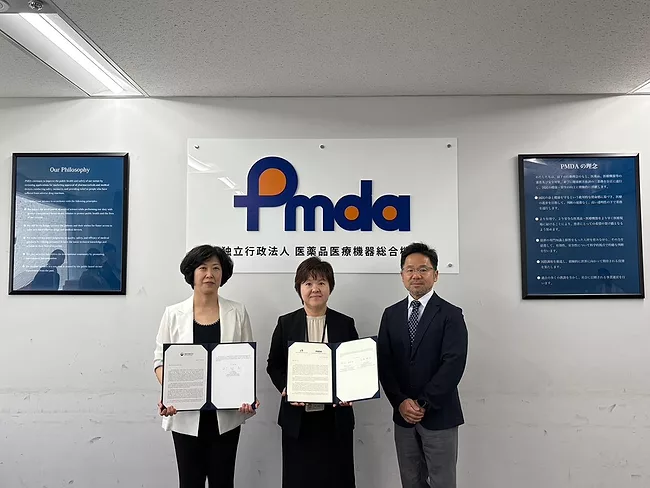
South Korea’s Ministry of Food and Drug Safety signed a confidentiality agreement with Japan’s Ministry of Health, Labour and Welfare and Pharmaceuticals and Medical Devices Agency to boost bilateral regulatory cooperation in the field of medical devices.
The Asia Pacific med-tech market is projected to reach $140 billion in 2025 in value, growing roughly 5% per year, driven largely by a rising demand for advanced and personalized medical technologies, including telemedicine and precision medicine.
Daiichi Sankyo Co. Ltd.’s trophoblast cell surface antigen 2 (Trop2)-directed antibody-drug conjugate (ADC), datopotamab deruxtecan (dato-dxd), has been approved in Japan for treating adults with hormone receptor (HR)-positive, HER2-negative unresectable or recurrent breast cancer after prior chemotherapy.
Travere Therapeutics Inc. inked a licensing deal with Tokyo-based Renalys Pharma Inc. to develop sparsentan in 13 Asian countries, becoming the latest news to heat up the immunoglobulin A nephropathy (IgAN) therapy space.
Travere Therapeutics Inc. inked a licensing deal with Tokyo-based Renalys Pharma Inc. to develop sparsentan in 13 Asian countries, becoming the latest news to heat up the immunoglobulin A nephropathy (IgAN) therapy space.
Asia continues its push to be the global leader with precision health and artificial intelligence/machine learning (AI/ML) models for diagnosing disease. Most health care systems in Asia’s major markets include universal health care coverage and are leaning toward electronic health records, paving the way for seamless use of data. At the same time, AI/ML is making its way across the entire health care spectrum, including applications to diagnose breast cancer, kidney disease, cognitive decline, depression and even retinal imaging to detect cardiac disease.
Drug discovery in Japan has been steadily declining, and it has reached a crisis point where swift action is needed or pharma companies will leave Japan or stop listing products here, said speakers at the BioJapan 2023 meeting held Oct. 10 to 13 in Yokohama, Japan.
Drug discovery in Japan has been steadily declining, and it has reached a crisis point where swift action is needed or pharma companies will leave Japan or stop listing products here, said speakers at the BioJapan 2023 meeting held Oct. 10 to 13 in Yokohama, Japan.
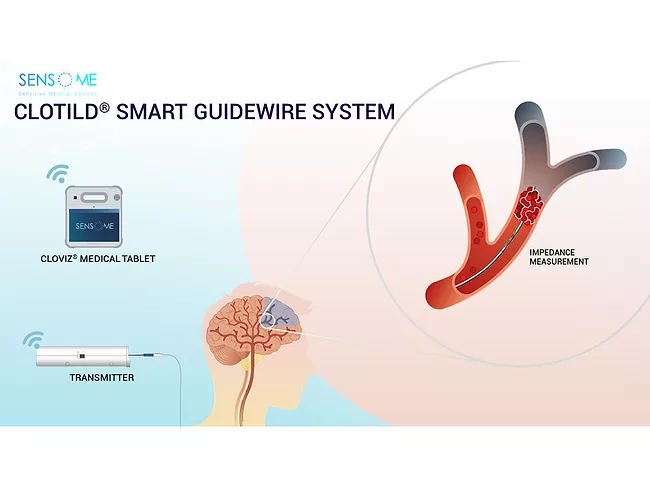
Sensome SAS reported a partnership with Asahi Intecc Co. Ltd. to develop the next generation Clotild smart guidewire. Asahi Intecc is taking on the manufacturing role for Sensome’s smart guidewire designed for the treatment of acute ischemic stroke.