Medtronic plc has presented three-year data on its global, multicenter, blinded, randomized and sham-controlled renal denervation (RDN) clinical program Spyral HTN-ON MED during the late-breaking clinical trial session at EuroPCR on May 17. The trial enrolled 80 typical uncontrolled hypertensive patients, randomized to RDN or sham control.
As was the case with left atrial appendage closure, renal denervation (RD) as a treatment for hypertension has proven to be difficult to move along into routine clinical usage. New data for a study sponsored by Medtronic plc showed that RD offers a statistically significant improvement over sham treatment in reducing hypertension, but the data do not seem to suggest that patients will be able to drop their antihypertensive medications after RD treatment.
A new study has found that despite the risk, many patients are open to interventional procedures such as renal denervation (RDN) if it can lead to improved blood pressure. RDN is performed under local anesthetic and uses radio frequency ablation to burn the nerves in the renal arteries. The process causes a reduction in nerve activity, which decreases blood pressure.
Despite the morbidity associated with coronary artery bypass graft, this procedure has never been entirely displaced by percutaneous coronary intervention. The results from the latest in a series of studies does not seem to help the case for drug-eluting stents (DES) for patients with three-vessel disease, as the data from this study failed to demonstrate non-inferiority for DES devices implanted with the help of fractional flow reserve measurement to ensure optimal stent placement.
Percutaneously implanted devices designed to seal off the left atrial appendage (LAA) have been around for some time, but a recent study of surgical closure of the appendage might have a beneficial effect on sales of these devices despite that the study did not deal directly with these devices. The results were compelling enough to provoke a halt to the study before all patients had reached the projected term of follow-up, and at least one observer said it may be time to study whether more routine use of devices for percutaneous LAA closure is indicated.
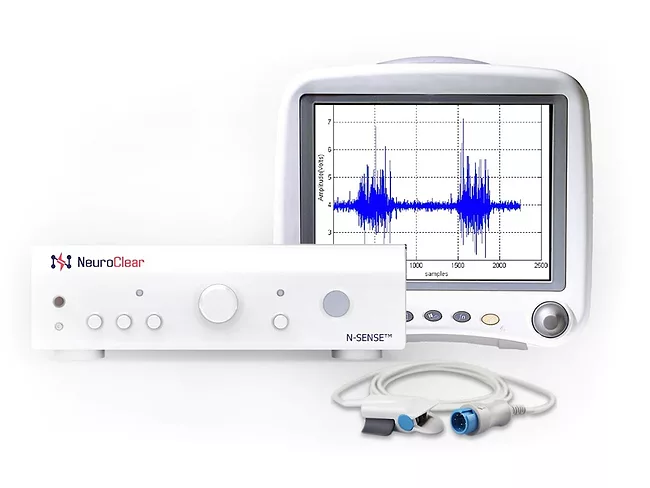
Neuroclear Technologies Inc., a subsidiary of Biosig Technologies Inc. formed to focus on the emerging field of bioelectronics, was allowed a utility patent by the U.S. Patent Office that the company exclusively licensed from Mayo Foundation for Medical Education and Research. Neuroclear aims to use neurostimulation technology to develop novel solutions to challenging physiological and neurological disorders. The company's first target and the focus of the patent is treatment of hypertension via electroporation of renal nerves.
Results of the pivotal Spyral-HTN OFF MED study presented at the American College of Cardiology's Annual Scientific Session on March 29 demonstrated significant reduction in blood pressure three months after renal denervation (RDN) in patients with unmedicated hypertension.