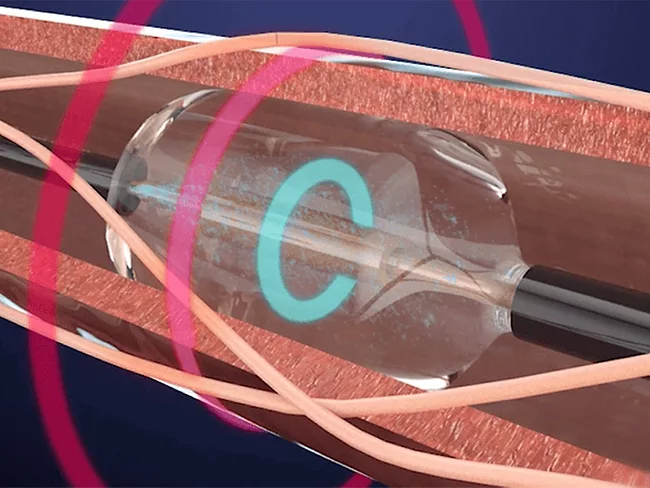
News out of the Heart Rhythm Society 2024 meeting May 16-19 highlighted the rapid disruption pulsed field ablation (PFA) devices have wrought in cardiac arrhythmia treatment, so it is little surprise to see that PFAs are among the top five technologies with transformative potential identified by Clarivate plc in its Medical Technologies to Watch in 2024 report. The impact of the other four – continuous glucose monitors (CGM) for diabetes, neurostimulation devices, surgical robotics and renal denervation – has been just as revolutionary, if longer in being realized.
There should be no more excuses to the adoption of renal denervation (RDN) as a treatment for hypertension given the recent approval by the U.S. FDA of two technologies and a range of guidelines recommending the therapy, delegates heard at the EuroPCR conference in Paris. In a discussion on the technology, panelists argued that on the back of solid evidence, RDN should be offered as a treatment given that the therapy is a safe method to reduce high blood pressure.
The renal denervation hypothesis of hypertension was initially viewed with some skepticism, and Dublin-based Medtronic plc. endured a major setback when clinical trial data failed to make a compelling case for approval for the Symplicity Spyral. However, the company finally landed an FDA approval for the device, opening the gates to a new and significant market opportunity even with competition already on the market.
Recor Medical Inc. finally received U.S. FDA approval for its Paradise ultrasound renal denervation (RDN) system for the treatment of hypertension after more than ten years of research and clinical trials. Paradise is the first RDN system to reach the U.S. market, and its approval is good news for the technology after years of disappointment in the data from trials and concerns over the efficacy of RDN devices.
The European Society of Hypertension (ESH) has recommended that renal denervation (RDN) be offered as an adjunctive therapy to patients with resistant hypertension. Releasing new and updated guidelines on the management of arterial hypertension, the ESH said recent randomized controlled trials showed that endovascular RDN can be associated with a significant, albeit not marked, office and ambulatory blood pressure reduction in patients with uncontrolled hypertension.
Renal denervation (RDN) was described as the “comeback kid” at the recent EuroPCR conference in Paris where participants argued that following the success seen in several sham-controlled trials, there is now no doubt about the safety and the efficacy of the technology as a treatment for hypertension. The device-based procedure should now be used as a therapy option to reduce high blood pressure in patients, delegates heard.
Medtronic plc reported six-month results from the full cohort of its Spyral HTN-ON MED study, showing a statistically significant reduction in office-based blood pressure, a key secondary endpoint. However, the trial missed its primary efficacy endpoint of a reduction in 24-hour systolic blood pressure, compared with a sham procedure.
The 2022 Transcatheter Cardiovascular Therapeutics annual meeting highlighted mostly positive outcomes from major trials conducted by nearly all the big players in the cardiac device market. Here’s our round-up of the meeting’s high points, with updates from Abbott Laboratories, Abiomed Inc., Boston Scientific Corp., Edwards Lifesciences Corp., Inari Medical Inc., Medtronic plc and Recor Medical Inc.
In an unexpected turn of events, Medtronic plc presented results from the Symplicity HTN-3 trial at year 3 showed sustained reductions in blood pressure with radiofrequency renal denervation (RDN) for resistant hypertension, contrary to the trial’s results at the six-month mark—and it wasn’t alone in showing positive results for the procedure.
The U.S. FDA has granted Sonivie Ltd. IDE approval for a pilot study to treat resistant hypertension patients with renal artery denervation (RDN) using its Tivus ultrasound ablation system. The intravascular, catheter-based system uses high-frequency non-focused ultra-sound energy to ablate nerves in the renal artery and cause denervation of nerves in other structures such as the bronchus.