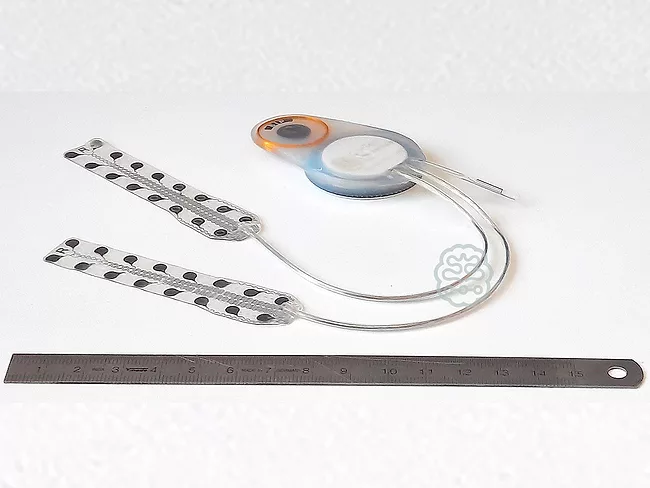
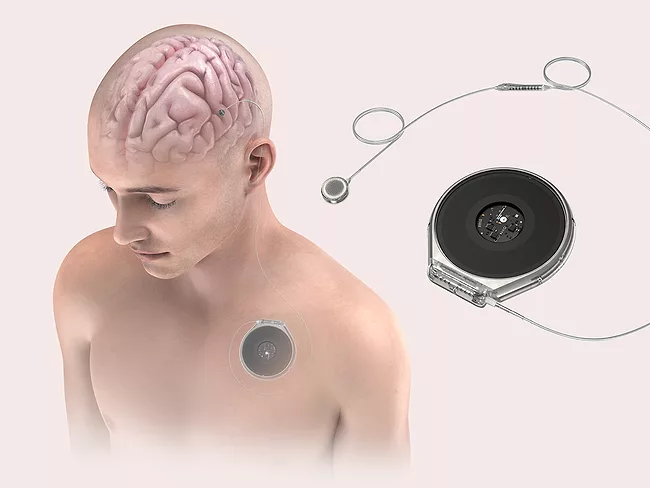
Cortec GmbH is preparing to implant its brain-computer interface (BCI) technology into a third stroke patient, with early clinical data showing that the device leads to significant improvement in hand and arm function. The company believes its Brain Interchange system could transform the lives of millions of patients.
As the development of brain-computer interface (BCI) technologies gain momentum, Paradromics Inc. is building an ecosystem to enable collaboration between the company and academic researchers.
Neurosoft Bioelectronics SA has signed an agreement with Science Corp. to gain access to its full stack of clinical-grade neural recording tools as it looks to advance its brain-computer interface (BCI) system.
As the momentum and interest in brain-computer interface (BCI) technologies continue to accelerate, Merge Labs has emerged with an investment from OpenAI in its seed round. Merge Labs says it plans to develop next-generation BCIs capable of interacting with the brain at high bandwidth, integrating with advanced AI, and doing so in ways that are safe and accessible to everyone.
Med-tech financing activity from January through November 2025 reached $31.32 billion, marking a strong rebound from the sector’s lows in 2023 to 2024, which saw $16.61 billion and $23.64 billion in the same period, respectively. While still far below the capital inflows seen in 2020 and 2021, when the first 11 months of the year exceeded $48 billion, the steady upward progression over recent years suggests renewed investor engagement and improving capital availability. In November, $4.73 billion was collected through 36 transactions, up from $3.25 billion in October.
Synchron Inc.'s recent $200 million raise for its Stentrode brain-computer interface platform comes at a pivotal time for the technology. Advances in BCI development, ongoing clinical trials and growing market demand are drawing increased investor interest in the technology which has the potential to transform the lives of millions of people. At the same time, government agencies are closely monitoring the field, recognizing the potential while urging caution about the risks involved.
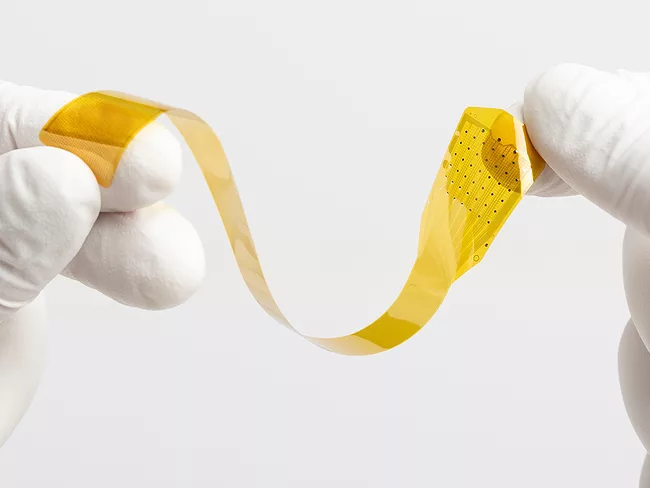
The brain-computer interface (BCI) system being developed by Precision Neuroscience Corp. is capable of capturing high-resolution brain signals and stimulating areas without damaging the cortical surface, according to a study published in Nature Biomedical Engineering.
Cortec GmbH implanted its brain-computer interface (BCI) system, Brain Interchange, into a stroke patient in late July, joining a host of other companies conducting clinical trials of their BCI technologies to help people affected by neurological conditions recover lost function and improve their quality of life.
Paradromics Inc. became the latest company developing a brain-computer interface (BCI) system to implant its technology, Connexus, into a human. The device was safely implanted, it recorded electrical brain signals and was removed intact in less than 20 minutes. Paradromics hopes to begin clinical trials later this year.
The recent 510(k) clearance by the U.S. FDA for a core part of Precision Neuroscience Corp. brain-computer interface technology is certainly a boon for the company, and others developing the devices. For the millions of people suffering from health disorders, such as motor neuron disease, spinal cord injury or severe stroke, its sign that a solution which could transform their lives could be just a few years away.