Confo Therapeutics NV has nominated CFTX-2034 as a development candidate to treat conditions linked to hyperinsulinemic hypoglycemia, specifically post-bariatric hypoglycemia (PBH). The company is now advancing CFTX-2034 through IND-enabling studies.
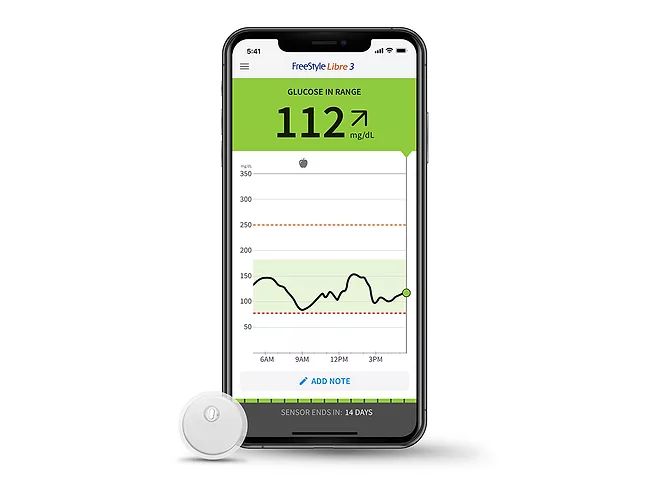
A pair of studies published in Diabetologia demonstrate that use of continuous glucose monitors (CGMs) reduces hospitalizations in people with type 1 diabetes and in those with type 2 diabetes who use insulin compared to use of capillary blood glucose monitoring. Abbott Laboratories’s REFLECT real-world studies showed that use of its Freestyle Libre CGMs reduced the severity of cardiovascular conditions associated with diabetes and, consequently, led to fewer in-patient stays.
Three biopharmas debuted on Nasdaq Sept. 13, raising a combined $703 million for two Massachusetts-based companies focused on bifunctional antibodies for autoimmune diseases and cancer, and one Midwestern firm developing peptide therapies for endocrine and metabolic disorders.
Following an advisory committee’s recommendation in May against approval, the U.S. FDA issued a complete response letter (CRL) to Novo Nordisk A/S for its once-weekly insulin icodec injection for diabetes, which is on the market as Awiqli in several other countries.
The U.S. FDA issued a complete response letter for Zealand Pharma A/S’s NDA seeking approval of dasiglucagon for the prevention of treatment of hypoglycemia in pediatric patients with congenital hyperinsulinism, citing deficiencies identified during an inspection at a third-party contract manufacturing facility.
In the ultra-rare disease congenital hyperinsulinism, an overproduction of insulin leads to persistent hypoglycemia and can cause neurological complications due to high glucose needs of the brain. About half of children go on to develop seizures or intellectual problems, but current therapeutic options are limited and there are no approved drugs specifically for the condition.
Dexcom Inc. rolled out its plans for 2024 and 2025 at an Investor Day event held at the beginning of the American Diabetes Association Annual Meeting in its hometown of San Diego on June 23. The company is looking to expand from diabetes into metabolic health more broadly and previewed several new products designed to appeal to a wider market.
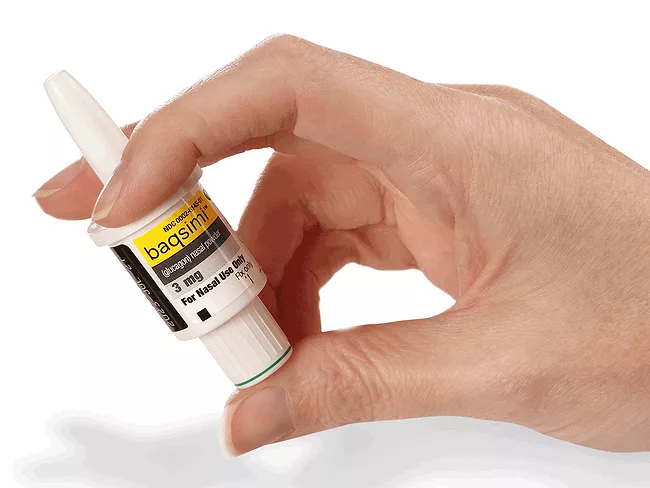
Eli Lilly and Co. is selling worldwide rights to its hypoglycemia nasal treatment Baqsimi to Amphastar Pharmaceuticals Inc. in a deal potentially worth over $1 billion. Under the agreement, Amphastar, of Rancho Cucamonga, Calif., will foot a $500 million cash payment on closing, and will pay Indianapolis-based Lilly an additional $125 million on the one year anniversary of closing. Lilly is also eligible to receive milestone payments of up to $450 million, based on annual sales of $175 million and $200 million, and on total net sales over five years of $950 million.
An artificial pancreas system that draws on research conducted at the University of Virginia to effectively combine Dexcom Inc.’s continuous glucose monitor and Tandem Diabetes Care Inc.’s artificial intelligence-enabled insulin pump works effectively in children under 6 years of age with type 1 diabetes, a study published in the New England Journal of Medicine showed.
Three months earlier than anticipated, CMS published its final local coverage determination (LCD) for continuous glucose monitors and included more people with diabetes than expected. The new policy expands coverage from individuals with type 1 diabetes or type 2 diabetes using multiple daily injections of insulin to anyone treated with insulin, essentially doubling the market for manufacturers of continuous glucose monitors (CGMs).