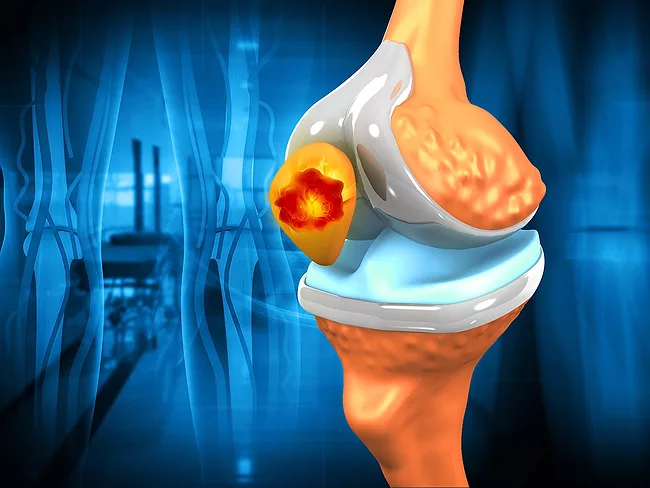
While current treatments can prolong the life of many patients with the malignant bone cancer osteosarcoma, a substantial proportion have metastasis or recurrence. This highlights the need for more specific, targeted therapies against the disorder, yet the mechanism of pathogenesis is unclear and may be heterogeneous, so no drug targets have been definitively validated.
The overexpression of ectonucleotide pyrophosphatase/phosphodiesterase 1 (ENPP1) is tied to poor prognosis in several cancer types, including osteosarcoma and Ewing sarcoma, and is therefore a potential therapeutic target in these cancers. In this regard, Avammune Therapeutics Inc. is developing an ENPP1 inhibitor – AVA-NP-695.
Osteosarcoma, the most common bone cancer in children and young adults, has poor outcomes after relapse with only ~18% 5-year survival, underscoring the urgent need for new therapies. Researchers from New York Medical College and colleagues have now demonstrated a new strategy to improve the efficacy of natural killer (NK) cell-based immunotherapy for osteosarcoma.
Metastatic and relapsed osteosarcoma remains challenging to treat despite the introduction of advanced surgical techniques, intensified chemotherapy and targeted therapies. Adoptive immunotherapies such as CAR T cells, despite being in nascent stages, are considered a potential option for treating aggressive solid tumors such as osteosarcoma.
Mutations in the GTPase KRAS drive proliferation of many types of tumors, and daraxonrasib (RMC-6236), which inhibits various KRAS mutants, can slow growth of pancreatic and lung cancers. Researchers at City University of New York and Weill Cornell Medical College have demonstrated that it also showed effects in osteosarcoma models expressing mutated KRAS.
Alphina Therapeutics Inc. has described nicotinamide phosphoribosyltransferase (NAmPRTase; Nampt) inhibitors reported to be useful for the treatment of cancer, and autoimmune, inflammatory and metabolic disorders.
With positive data in hand from its phase IIb trial testing immunotherapy candidate OST-HER2 in osteosarcoma, OS Therapies Inc. anticipates a regulatory filing this year seeking accelerated approval from the U.S. FDA, putting the firm on track to receive a potentially profitable rare pediatric disease priority review voucher that could help fund further R&D work. Should OST-HER2 go on to win approval, it would mark the first new therapy in more than 40 years for osteosarcoma, an aggressive bone cancer characterized by high rates of metastases, often to the lungs, and disease recurrence.