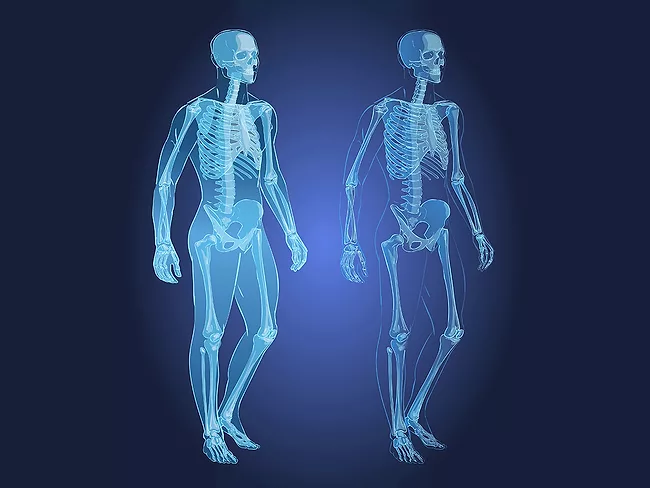
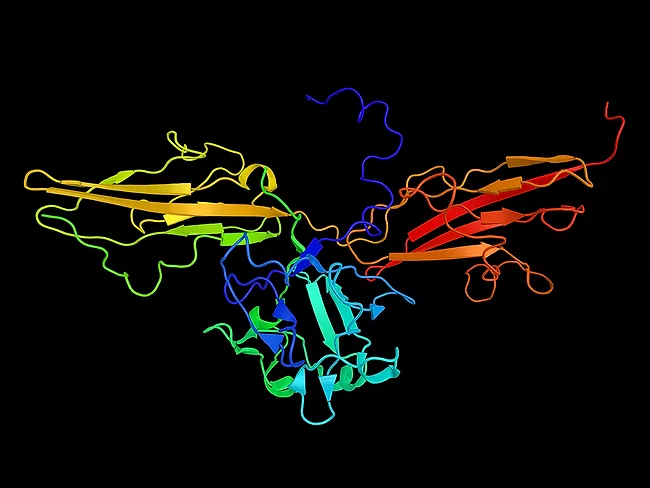
Hypochondroplasia (HCH) is a skeletal dysplasia similar to achondroplasia (ACH) but with milder features, that affects particularly the ossification of proximal long bones of arms and legs. Around 70% to 80% of cases of HCH are caused by N540K alterations in the FGFR3 gene. At the recent 6th Annual Achondroplasia & Skeletal Dysplasia Research Conference, researchers from Tyra Biosciences Inc. presented preclinical proof-of-concept data of TYRA-300, an oral FGFR3-selective inhibitor in a model of HCH.
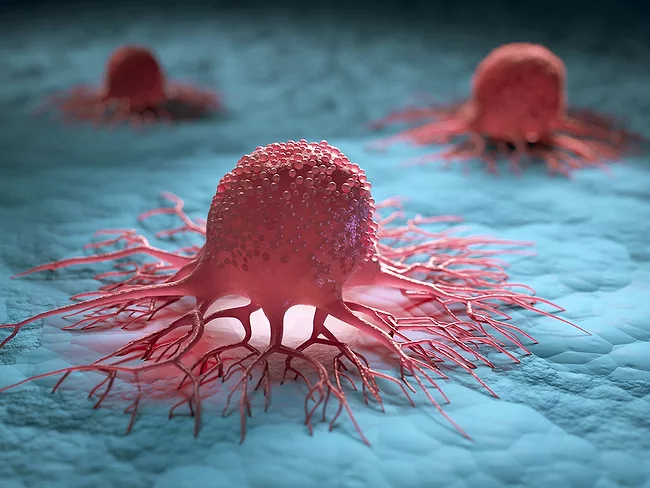
Hainan Simcere Pharmaceutical Co. Ltd. has patented fibroblast growth factor receptor 3 (FGFR3) inhibitors reported to be useful for the treatment of cancer.
Positive results from Bridgebio Pharma Inc.’s phase II study of infigratinib in children with achondroplasia, a genetic disease that inhibits bone length and leads to short stature, prompted the company stock to surge. Participants receiving the highest dosage, which was the fifth cohort getting 0.25 mg/kg daily, saw a 3.03-centimeter increase, about 1.19 inch, in their height annually, which produced a “p” value of 0.0022.
Tyra Biosciences Inc. is expanding development of TYRA-300 into achondroplasia based on promising preclinical results from a study conducted in collaboration with the Imagine Institute. A specific mutation in fibroblast growth factor receptor 3 (FGFR3) causes over 97% of achondroplasia.
Inhibition of emerging polyclonal on-target acquired resistance mutations remains a critical unmet need in the treatment of fibroblast growth factor receptor 2 (FGFR2)-driven tumors. In the current study, researchers from Tyra Biosciences Inc. presented the preclinical characterization of a novel FGFR1/2/3 inhibitor, TYRA-200, being developed for the treatment of cancer.