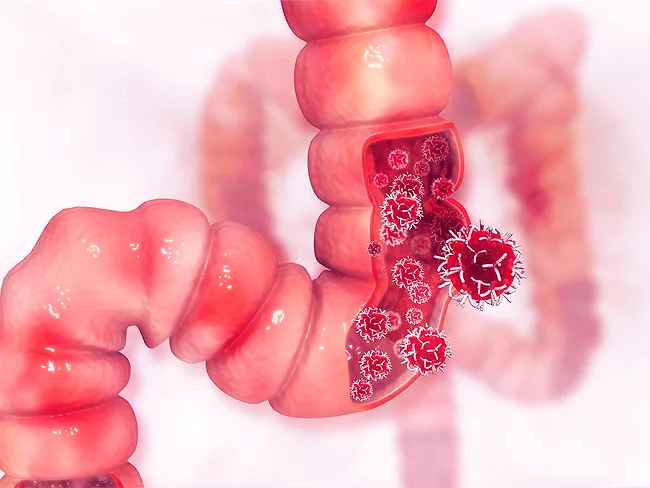
Researchers from Phio Pharmaceuticals Corp. presented preclinical data for PH-109, a novel self-delivering RNAi targeting connective tissue growth factor (CTGF), which was originally developed and assessed in early clinical trials as potential treatment of dermal hypertrophic scarring and subretinal fibrosis. The current study evaluated PH-109 in a mouse model of metastatic breast cancer.
Trophoblast glycoprotein, also known as 5T4, is widely expressed in several solid tumors; cluster of differentiation 47 (CD47) is an ubiquitous immune checkpoint receptor that is also overexpressed in many solid tumors as well as in hematological cancers. A Yuhan Corp. research team has presented preclinical results on YH-38560, a bispecific fusion protein that targets both 5T4 and CD4 for the potential treatment of solid tumors.
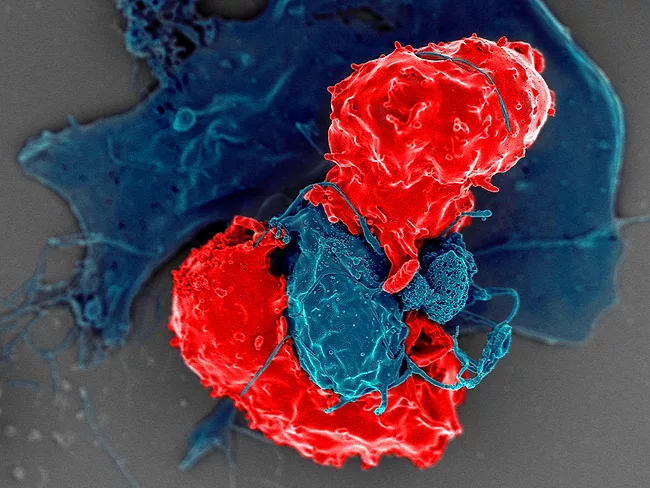
Regulatory T cells (Tregs) are known suppressors of immunity activation in the tumor microenvironment, and a high density of Tregs is tied to a poor response to cancer immunotherapy, with CCR8+ Tregs identified as being highly suppressive. Ctm Bio Co. therefore have studied the CCR8 antagonist antibody CTM-033 in preclinical cancer models.
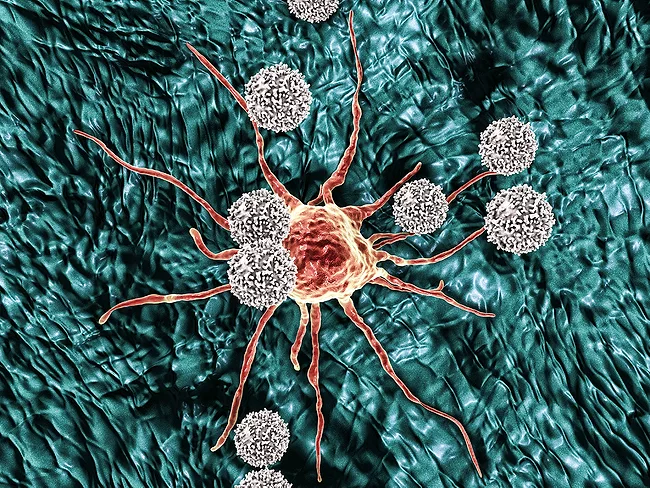
Killer cell immunoglobulin-like receptor 3DL3 (KIR3DL3) is a member of the killer cell Ig-like (KIR) receptor family. When KIR3DL3 is expressed on T and natural killer (NK) cells in the tumor microenvironment, it suppresses immune responses following engagement with HHLA2, suggesting that the KIR3DL3-HHLA2 axis potentially represents a novel immune checkpoint pathway and that blockade of KIR3DL3 signaling could promote antitumor immunity.
Activation of the cGAS-STING pathway activates the immune system through the production of type I interferons. There is knowledge that myeloid cell populations are among the most sensitive to STING agonism. Investigators at Takeda Pharmaceutical Co. Ltd. presented results on TAK-500, an immune stimulant antibody-drug conjugate (ISAC) composed of an antibody linked to a STING agonist for delivery to CCR2+ cells.
Researchers from Sutro Biopharma Inc. presented the discovery and preclinical characterization of a novel receptor tyrosine kinase-like orphan receptor 1 (ROR1)-targeted antibody-drug conjugate (ADC), STRO-003, being developed for the treatment of cancer.
Researchers from Elpiscience Biopharma Ltd. have reported the construction of a PD-L1/SIRPα bispecific macrophage engager (BiME), ES-019. A panel of anti-PD-L1/SIRPα antibodies based on single domain antibody was generated, with the candidates containing different orientations, ratios and IgG isotypes of anti-PD-L1 arm and anti-SIRPα arm.
Immunocytokines (ICs) engage multiple mechanisms of action by the use of antibodies to deliver cytokine payloads to the surface of the same immune cell, known as cis-signaling. Researchers from Bright Peak Therapeutics AG have developed ICs by using a novel approach based on site-specific chemical conjugation of engineered cytokines to existing nonmodified antibodies.
Researchers from Shasqi Inc. have reported the development of a new monomethyl auristatin E (MMAE)-based therapeutic, SQ-2270, within its proprietary CAPAC (Click Activated Protodrugs Against Cancer) platform for the treatment of cancer.
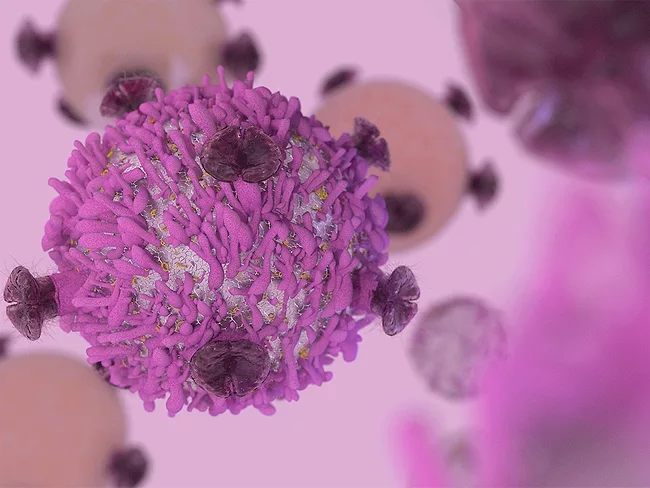
Researchers from Carisma Therapeutics Inc. have provided details on the discovery and preclinical evaluation of a novel mesothelin-targeting chimeric antigen receptor macrophage (CAR-M), CT-1119, being developed as a potential solid tumor immunotherapy candidate.