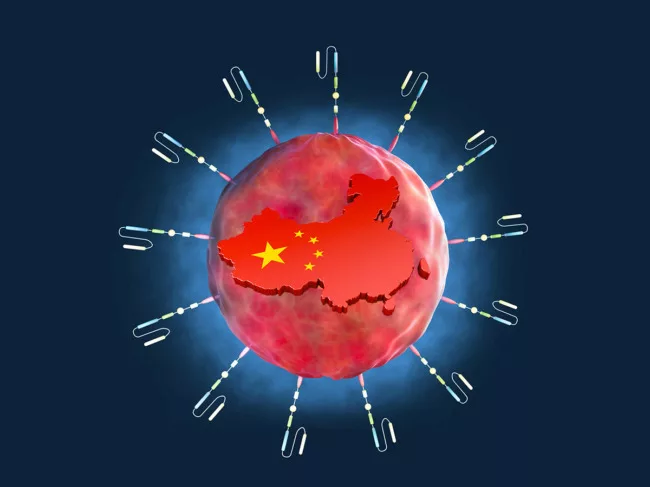
As of Jan. 31, 2024, there were more than 300 CAR T trials registered in China, surpassing the U.S. and becoming the country with the most CAR T therapy clinical trials. Among them, CD19 is the most frequently studied target, according to BioWorld and Cortellis. The rapid evolution of CAR T-cell therapies in China has escalated over the past decade from the start of the first clinical trials in 2013 to the country becoming an established host for CAR T-cell-related trials by 2017, according to Yongxian Hu and researchers from Zhejiang University in Hangzhou, China. Chinese cell therapy companies – backed by $2.37 billion in funding in 2021 – have since significantly increased basic research and trial output for CAR Ts, which was welcomed by large patient demand.
China’s CAR T market is expected to grow from $72 million in 2022 to $342 million over the next decade. There are currently more than 400 CAR T therapies in the pipeline in China, and most of these are being developed by specialized Chinese biotechs. Research by Clarivate plc, BioWorld’s parent company, indicates that a notable proportion of CAR T-cell therapies in late-phase development in China are being developed through strategic partnerships and joint ventures between multinational corporations and domestic companies, including Johnson & Johnson and Nanjing Legend Biotech Corp., Juno Therapeutics Inc. and Wuxi Apptec Co. Ltd., and CASI Pharmaceuticals Inc. and Juventas Cell Therapy Ltd.
The process of manufacturing autologous T-cell therapies is technically challenging when compared with other oncology drugs, making the overall cost of developing CAR T therapies significantly higher. A challenging reimbursement environment for drugs listed on China’s National Reimbursement Drug List also means that most patients will have to pay out of pocket to access CAR T therapies. Taken together, complex logistics – production, manufacturing and supply chain – and complicated administration requirements are key bottlenecks that inflate the input costs involved in developing these specialized treatment options.
After concluding 2023 up 11.62%, the BioWorld Biopharmaceutical Index (BBI) extended its upward trajectory into the first quarter (Q1), posting a 6.4% increase at the close of March. BBI outperformed both the Dow Jones Industrial Average (up 5.62%) and the Nasdaq Biotechnology Index (up 1.36%) by the end of Q1.
In March 2024, BioWorld reported on 261 phase I-III clinical trials updates, showing a 10.6% increase from February's count of 236 and up from January’s 252. However, March’s tally is an 18.2% decline from March 2023’s 319 updates. The average monthly count of phase I-III updates in the first three months of 2024 stood at roughly 277, compared to 305 for all of 2023.
Gilead Sciences Inc. is aiming to capitalize on the early August 2022 buyout of privately held U.K. biotech Mirobio Ltd. with the advancement of PD-1 agonist GS-0151 into phase Ib trials for rheumatoid arthritis, a decision that Leerink analyst David Risinger hailed as positive for others at work with the intriguing mechanism. Paying $405 million for Oxford-based Mirobio, Gilead took ownership of the firm’s checkpoint agonists to treat autoimmune diseases.