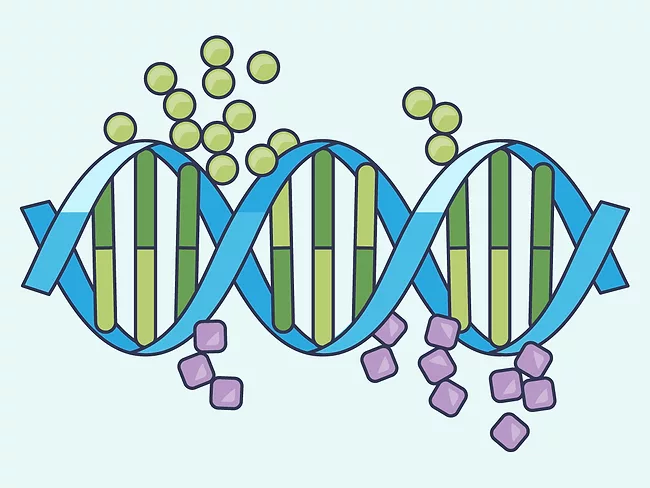
Durable reprogramming of human T cells may now be possible thanks to a new technique based on the CRISPRoff and CRISPRon methodology. Researchers from the Arc Institute, Gladstone Institutes, and the University of California San Francisco have stably silenced or activated genes in this type of immune cell without cutting or altering its DNA, making T cells more resistant, active, and effective against tumors.
The transition from complex and costly ex vivo strategies to platforms that enable direct cellular intervention within the body, known as in vivo therapies, is marking a paradigm change in the field of gene and cell therapies by simplifying manufacturing, improving tissue targeting and expanding clinical access to treatments.
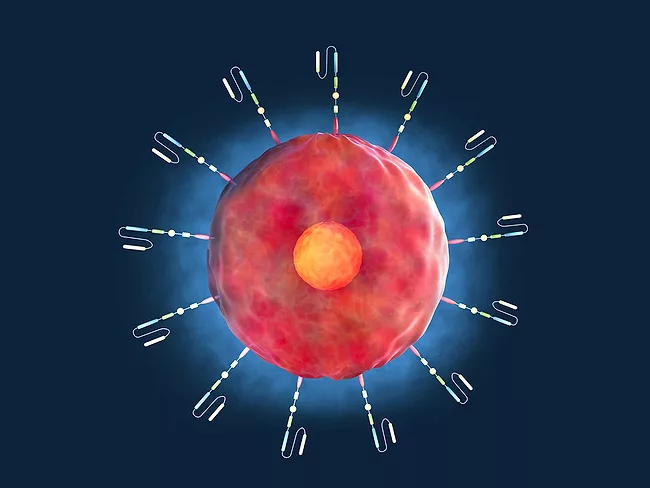
As the many challenges facing cell therapies are being addressed, the CAR T field continues to evolve beyond its original design of T cells engineered to target hematological malignancies. During the 32nd Annual Congress of the European Society of Gene and Cell Therapy (ESGCT), held in Seville Oct. 7-10, several studies showed how this technology is being redefined as programmable and adaptable immune cells with expanded functional versatility.
Gene and cell therapies (GCTs) can target the kidney to treat congenital, acute or chronic diseases affecting this organ. However, its complex structure poses a challenge for these technologies. To be precise and effective in the long term, new approaches should circumvent the specificities of renal tissue, with novel methods of delivery and gene transfer to offer new therapeutic options for patients who lack them.
Patients with congenital hearing loss could benefit from a gene therapy currently in development. Although there are approaches that could reverse the process in children and young people before it becomes severe, so far, adults do not have any treatment that prevents the progressive deterioration of auditory sensory cells caused by this disease.
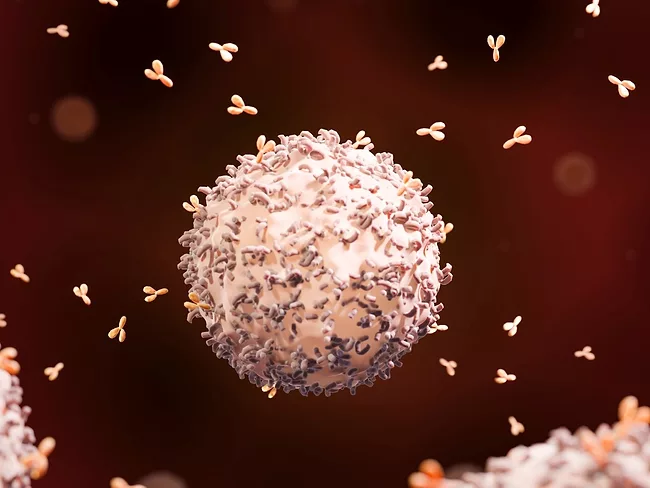
Scientists at the University of Washington have engineered human plasma B cells modified to express long-lasting bispecific antibodies that could be used to treat leukemia without requiring continuous dosing.
New single-step genome editing techniques that enable the insertion, inversion or deletion of long DNA sequences at specified genome positions have been demonstrated in bacteria.
Modifying a patient’s DNA is no longer just for science fiction novels. The CRISPR gene editing technique developed by Jennifer Doudna and Emmanuelle Charpentier only took 10 years to reach the market as Casgevy (exagamglogene autotemcel/exa-cel, Vertex Pharmaceuticals Inc.), treating congenital pathologies such as β-thalassemia and severe sickle cell disease. But science does not stop.
 RSS
RSS