Therorna Shanghai Co. Ltd. has presented data on TI-0032, an anti-CD19 CAR circular RNA therapeutic delivered by lipid nanoparticles (LNPs) for the treatment of autoimmune and hematological disorders.
Kymera Therapeutics has developed KT-579, a potent and selective IRF5 degrader as a novel approach for treating systemic lupus erythematosus (SLE) and Sjögren disease.
At the recent American Diabetes Association meeting, researchers from Century Therapeutics Inc. presented preclinical efficacy data on CNTY-813, an induced pluripotent stem cell (iPSC)-derived cell therapy engineered using the company’s proprietary Allo-Evasion 5.0 platform.
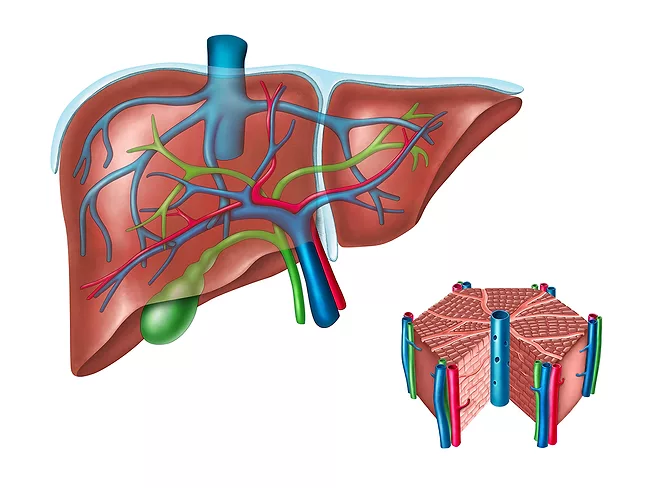
Researchers from Rectify Pharmaceuticals Inc. presented preclinical efficacy data on RTY-406, a novel dual-acting ABCB4/MDR3 and ABCB11/BSEP modulator, in animal models of primary sclerosing cholangitis.
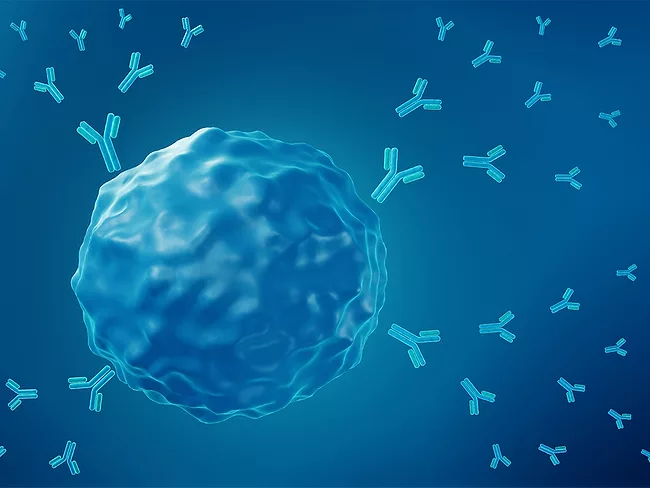
Researchers at Obleno Bio Inc. have reported preclinical efficacy data for LBL-051-S3, a trispecific T-cell engager antibody targeting CD3, CD19 and BCMA, in nonhuman primate models.
At the recent European Congress of Rheumatology (EULAR) meeting in London, researchers from Antegene Corp. Ltd. presented the preclinical characterization of ATG-207, an αCD3-TGF-β bifunctional fusion protein, in models of T-cell-driven autoimmune disease.
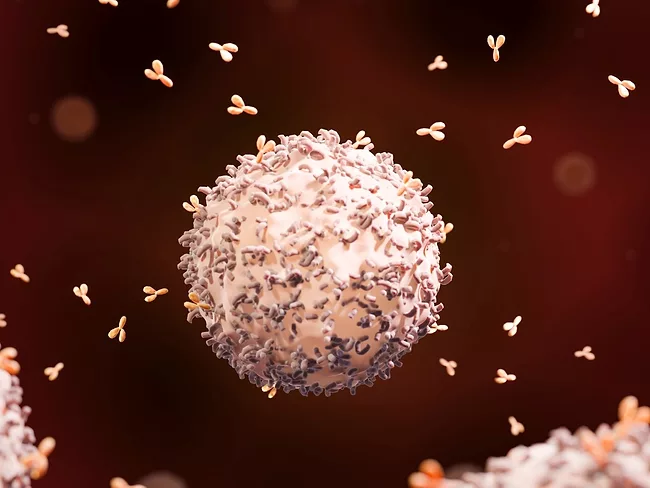
Systemic lupus erythematosus (SLE) is a chronic autoimmune disorder characterized by dysregulation in humoral immunity and sustained activation of B cells and autoantibody release, where BAFF (B-cell activating factor) and APRIL (a proliferation-inducing ligand) play crucial roles in B-cell differentiation and survival. Genescience Pharmaceutical Co. Ltd. has released data for its dual BAFF and APRIL inhibitor Gensci-136 for the treatment of SLE.
About 90% of brain metastases are often limited therapeutically speaking due to the impermeable blood-brain barrier (BBB). Nanocarry Therapeutics Ltd. has presented AxS007, a novel insulin-mediated nanocarrier that delivers multiple copies of trastuzumab and pertuzumab across the BBB, using native insulin as a brain transporter and increasing brain exposure.
The University of Texas MD Anderson Cancer Center reported findings from studies of CBT-001-2334, a radionuclide peptide targeting carbonic anhydrase IX (CAIX/CA9) designed for diagnostic gallium labeling and downstream therapeutic isotope pairing. It features a DOTA chelator for use in theranostic applications through chelating either diagnostic or therapeutic radionuclides. Because it has limited expression in normal tissue, CAIX is an attractive target in clear cell renal cell carcinoma (ccRCC).
17-β-Hydroxysteroid dehydrogenase 13 (HSD17B13) and lipid transferase CIDEB are known to contribute to metabolic dysfunction-associated steatohepatitis (MASH) progression, where HSD17B13 exacerbates hepatic lipid metabolism, while CIDEB mainly mediates lipid droplet dynamics and storage. In this context, Frontier Biotechnologies Inc. has presented data on FB-7033, a bispecific siRNA approach targeting both HSD17B13 and CIDEB for the management of MASH.
 RSS
RSS