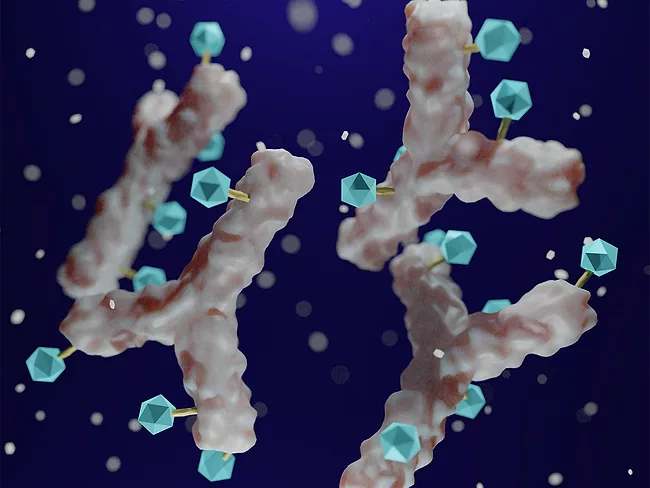
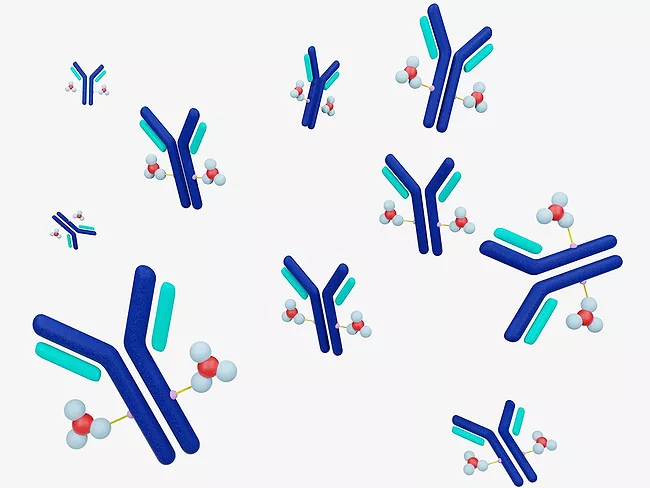
Over the course of the year, and continuing into the latest scientific meetings, an extraordinary breadth of new antibody-drug conjugate (ADC) designs was reported, with innovations spanning targets, linkers, payloads, conjugation chemistries and overall architectures. Once defined by a simple “one target, one payload” model, the field is lately expanding into a more versatile and diverse therapeutic space.
Over the course of the year, and continuing into the latest scientific meetings, an extraordinary breadth of new antibody-drug conjugate (ADC) designs was reported, with innovations spanning targets, linkers, payloads, conjugation chemistries and overall architectures. Once defined by a simple “one target, one payload” model, the field is lately expanding into a more versatile and diverse therapeutic space.
FGFR3 genomic alterations, including S249C as the most common, are recognized oncogenic drivers in 10%-60% of bladder cancers depending on the disease stage. Onco3r Therapeutics BV recently reported the identification of a novel series of highly potent, isoform-selective small-molecule FGFR3 inhibitors.
Researchers from Eilean Therapeutics LLC and collaborators presented the discovery and characterization of a new, selective CDK2 inhibitor showing potent in vitro and in vivo activity at the 2025 AACR-NCI-EORTC International Conference on Molecular Targets and Cancer Therapeutics.
At the AACR-NCI-EORTC International Conference on Molecular Targets and Cancer Therapeutics, researchers from Onco3r Therapeutics BV presented a novel series of selective SMARCA2 small-molecule inhibitors with a best-in-class potency and selectivity profile.
METTL3, the enzyme that adds the m6A RNA modification, is a key regulator of RNA processing and protein synthesis. In cancer, METTL3 is often overexpressed, driving tumor growth, invasion and therapy resistance across multiple malignancies, including lung, pancreatic, ovarian, colorectal cancers and acute myeloid leukemia.
At the AACR-NCI-EORTC International Conference on Molecular Targets and Cancer Therapeutics, researchers from Circle Pharma Inc. presented their recent work on developing novel compounds that specifically target cyclin D1 while avoiding the toxicity associated with targeting cyclin D3.
Although tricomplex pan-RAS (ON) inhibitors, such as RMC-6236, constitute a promising class of therapeutics against RAS-driven cancers, their on-target, off-tumor toxicities challenge the dosing strategy and the safety of drug combinations.
Inactivation of the tumor suppressor p53 occurs in approximately half of human cancer cases. In particular, the Y220C point mutation, which induces p53 misfolding and inactivation, is found in about 1% of solid tumors. Previous research identified a unique, druggable pocket on the p53 surface created by this mutation that constitutes a promising cancer therapeutic target.
 RSS
RSS