Researchers at DEM Biopharma Inc. reported preclinical findings demonstrating the efficacy of DEM-301, a bifunctional antibody-drug conjugate (ADC) engineered to selectively recognize and eliminate tumor cells that express DEM-TXX.
FGFR1 is a receptor tyrosine kinase that drives multiple intracellular signaling pathways involved in tumor cell proliferation, survival and progression. Because these pathways are frequently hyperactivated in colorectal cancer (CRC), FGFR1 represents a biologically relevant therapeutic target, and its inhibition has the potential to simultaneously suppress several oncogenic mechanisms.
The use of tyrosine kinase inhibitors (TKIs) in the treatment of epidermal growth factor receptor (EGFR)-mutant non-small-cell lung cancer (NSCLC) has not produced the same durable clinical benefits observed with next-generation targeted therapies in ALK- and ROS1-rearranged NSCLC. Given the molecular heterogeneity of EGFR-mutant NSCLC, which includes over 100 distinct mutations, there is a continued need for more effective and mutation-specific therapeutic strategies.
LIN28 is a family of RNA-binding proteins that regulate stem cell biology and pluripotency and are involved in oncogenesis through the interaction with tumor suppressor microRNA let-7. The expression of LIN28 leads to the loss of function of let-7, leading to tumorigenesis, and has been tied to tumor aggressiveness and poor survival in children with brain tumors.
The systemic virotherapy strategy involves not only the direct delivery of therapeutic payloads encoded by viruses to tumors, but also the modification of the tumor microenvironment, aiming to target both primary and metastatic lesions. At the ongoing American Society of Clinical Oncology (ASCO) meeting, researchers from Calidi Biotherapeutics Inc. reported the development of a novel approach using a selected and engineered tumor-selective strain of vaccinia virus.
Urachal carcinoma is a rare cancer which lacks a standard drug therapy, and for which knowledge regarding its immunohistochemical features remains unclear. The aim of a recently reported investigation was finding potential markers and targets for urachal carcinoma based on antibody-drug conjugate targets, as well as its association with prognosis.
Hepatocellular carcinoma (HCC) is an aggressive disease that accounts for 80%-90% of all primary liver cancers. Previous findings have shown fibroblast growth factor 19 (FGF-19) to be overexpressed in up to 30% of HCC cases, exerting its oncogenic effect through its receptors fibroblast growth factor receptor 3 (FGFR3) and FGFR4.
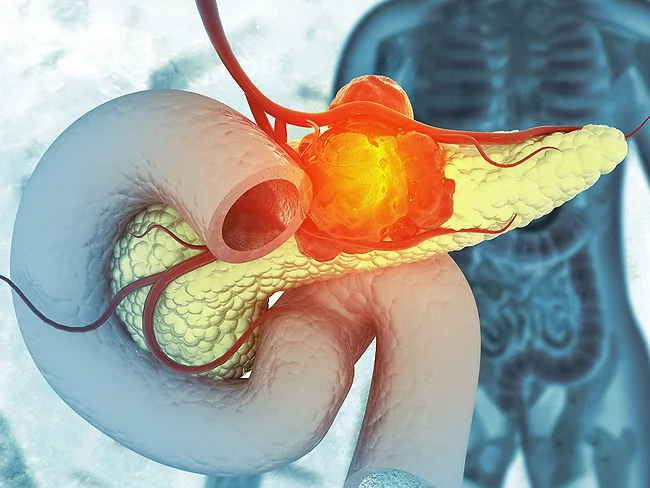
Pancreatic cancer is a challenge due to its poor prognosis and high mortality rate, highlighting the need for new therapeutic approaches. Previous findings have shown that AUS-001 inhibits β-tubulin polymerization through its unique binding to the tubulin’s colchicine site.
At the recent ASCO Gastrointestinal Cancers symposium, Cyclacel Ltd. presented preclinical data for the Polo-like kinase 1 (PLK1) inhibitor plogosertib from assessment in models of colorectal cancer.
 RSS
RSS