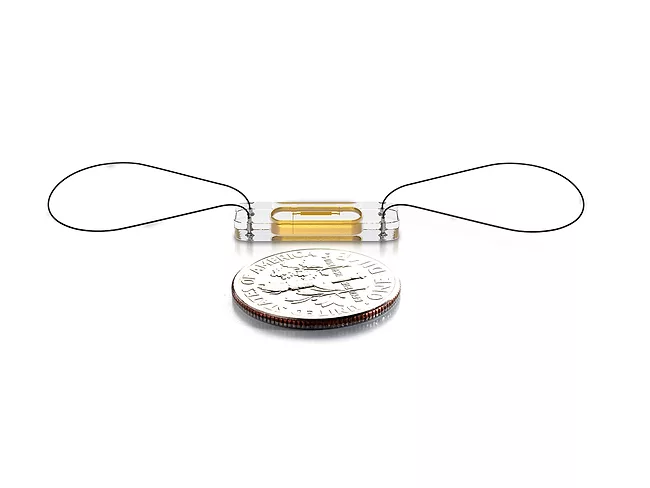
Abbott Laboratories’ Cardiomems heart failure (HF) system is open to a larger patient population following an expanded approval from the FDA. Abbott’s system had previously been approved for class III HF patients that had been hospitalized for HF in the past year. A new expanded indication enables the sensor to be utilized by class II (earlier stage) HF patients and those whose blood test show elevated levels of biomarkers known as natriuretic peptides. The FDA based the approval on findings from the GUIDE-HF trial, which suggested class II HF patients and patients with elevated natriuretic peptides had better outcomes when their therapy was guided by pulmonary pressure monitoring, with a 34% and 25% reduction in heart failure hospitalizations and emergency visits, respectively, based on study data adjusted for the impact of COVID-19.
Abbott Laboratories reported the commencement of a pivotal clinical trial for its Aveir pacemaker in a two-device configuration to provide dual-chamber pacing without the need for leads to deliver the charge. This configuration required the development of i2i technology to ensure that the two Aveirs communicated in a manner that ensures consistent pacing, but the 500-enrollee study has a long road ahead of it before the company can finalize the application with the FDA.
A bioelectronic device developed by U.K. startup Ceryx Medical Ltd. has shown potential to restore cardiac performance in preclinical studies. The Cardiff, Wales-based company published data showing its Cysoni technology increased cardiac output by 20% compared to current pacemakers.
Bioventrix Inc. acquired Materacor Inc., the developer of a heart failure therapy that uses an injectable alginate-based hydrogel and a minimally invasive endocardial delivery system to restructure the left ventricle and reverse or stop the progression of ischemic or non-ischemic congestive heart failure with reduced ejection faction (HFrEF). The terms of the transaction were not disclosed.
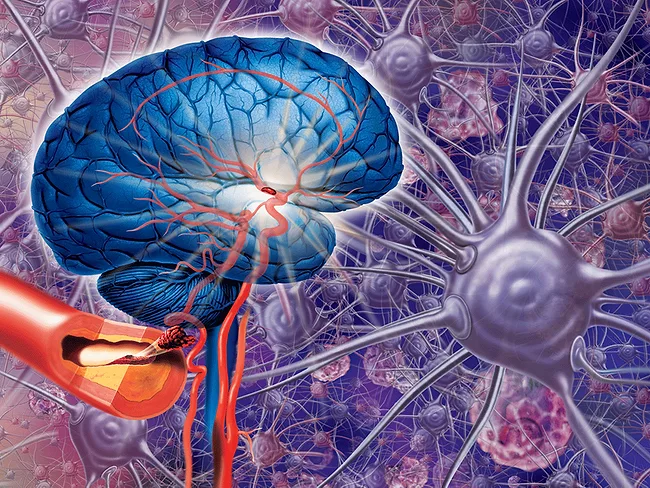
Johnson & Johnson business Cerenovus Inc. is launching a balloon guide catheter for the U.S. and Canada stroke market. The Irvine, Calif.-based company’s Emboguard device is designed to remove blood clots by controlling blood flow during mechanical thrombectomy procedures. It is the latest addition to the Cerenovus stroke portfolio, which includes the Embotrap III revascularization device, the Prowler EX microcatheter, the Cerenovus large bore catheter and Cerebase guide sheath.
PARIS – An interdisciplinary academic research consortium in Italy has devised and tested nanowires that restore physiological cell-to-cell conductance. This research team, led by the Experimental and Applied Medical Technology Lab (Tecmed Lab) at the Department of Medicine and Surgery at the University of Parma, Italy, has just published the results of multiple local in situ injections of nanowires into left ventricular infarct regions in Nature Communications.
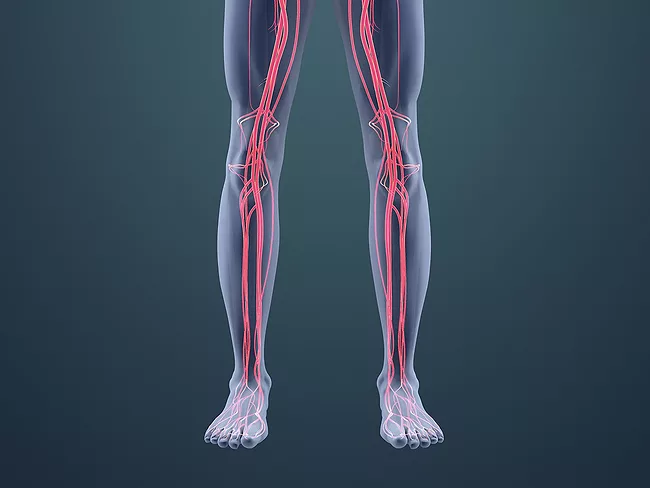
The pivotal, multicenter trial commissioned by Envveno Medical Corp. is intended to show its first-in-class Venovalve implant is safe and effective for treating deep venous chronic venous insufficiency (CVI), which occurs when damaged valves inside the veins of the leg prevent blood from flowing up the leg and into the heart and lungs.
Biocardia Inc. received FDA breakthrough device designation for its Cardiamp cell therapy system for treatment of heart failure. The good news provided a welcome 27% boost to the share price (NASDAQ:BCDA), lifting it from $1.57 at Wednesday’s close to $2.00 by the market’s close Thursday. Extended timelines for trials associated with the pandemic have hammered the company, which has seen its stock price fall more than 60% in the last two years.
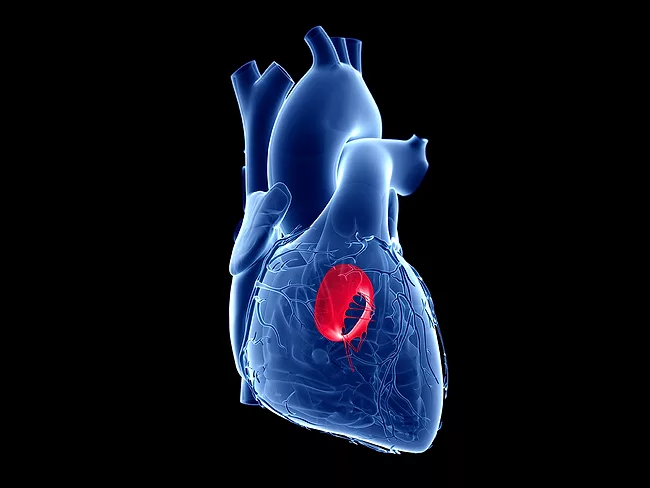
Innovheart srl has landed more than $55 million to continue clinical trials of its transcatheter mitral valve replacement (TMVR) system for the treatment of mitral valve disease. The series C equity round was led by Grand Pharmaceutical Group Ltd. (Grand Pharma), together with existing investors Genextra, Panakes Partners and Indaco Venture Partners.
The U.S. Preventive Services Task Force (USPSTF) has once again broached the question of whether screening for atrial fibrillation (AF) in asymptomatic patients is a worthwhile exercise in public health, and once again the answer is “we don’t know.”
 RSS
RSS