The U.K. National Institute for Health and Care Excellence (NICE) issued a pair of health technology assessments related to regurgitation of the tricuspid valve, one each for valve leaflet repair and for valve annuloplasty.
The U.S. FDA granted digital therapeutics company Bodyport Inc. 510(k) clearance for its heart monitoring weight scale. The digital solution includes sensors and algorithms that measure hemodynamic biomarkers to assess heart function and fluid status when patients take their daily weight. San Francisco-based Bodyport told BioWorld the platform is for heart failure (HF) patients in the U.S.
Heartpoint Global Inc. has reached a milestone in the ongoing preclinical trials of its Heartpoint Global Implant System (HPGS), focused on treating left heart diseases, congestive heart failure, and structural pulmonary hypertension. In large animal studies, the system appeared to significantly improve the structure of the heart and the function of the heart-lung system.
Robocath SAS said Cathbot, its joint venture set up in 2020, has enrolled the final patient for its clinical study in China to evaluate the safety and the efficacy of its robotic platform for percutaneous coronary intervention (PCI). “The completion of our PCI robotic multicenter trial in China is a crucial milestone in our development in this part of the world,” Philippe Bencteux, president and founder of Robocath, told BioWorld.
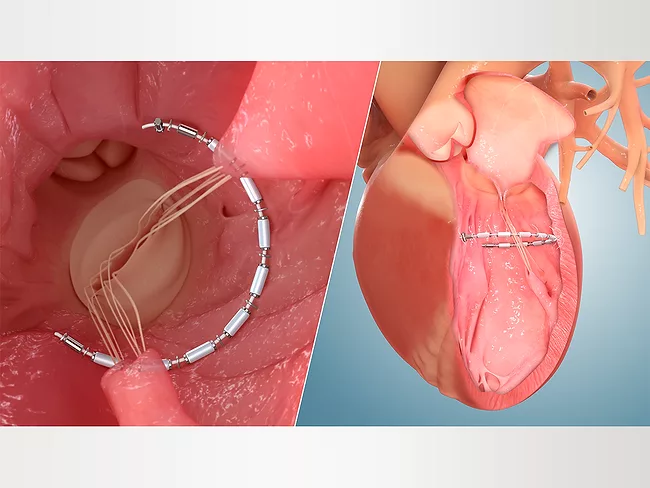
The U.S. FDA has granted a breakthrough device designation to Ancora Heart Inc. for its Accucinch ventricular restoration system. The minimally invasive treatment is intended to treat patients with symptomatic heart failure with reduced ejection fraction (HFrEF).
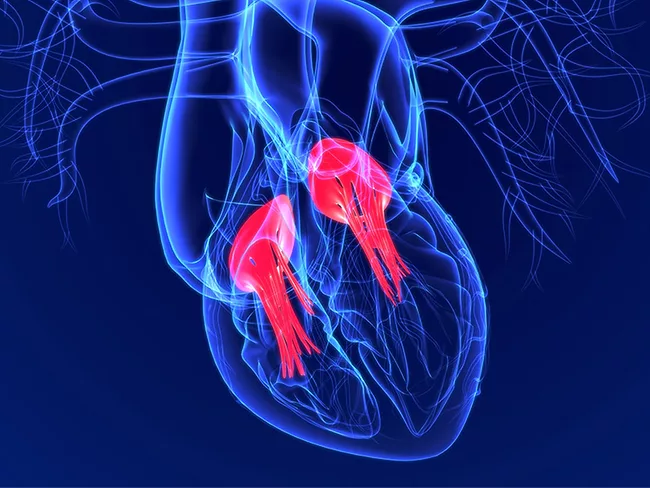
Venus Medtech (Hangzhou) Inc. received the green light in China for its transcatheter pulmonic valve replacement (TPVR) system Venusp-Valve. It is a self-expanding TPVR product for the treatment of severe pulmonary regurgitation (≥3+) in patients after a congenital heart defects procedure with native right ventricular outflow tract.
Medtronic plc has entered a strategic collaboration with Cathworks Ltd. to expand the reach of Cathworks’ artificial intelligence (AI) guidance system for coronary artery disease management. Medtronic will invest up to $75 million and immediately begin co-promotion of the Ffrangio system on the U.S., European and Japanese market. As part of a separate agreement, Dublin-headquartered Medtronic will have the option to acquire Cathworks once certain undisclosed milestones are met.
Rainmed Medical Ltd. raised HK$146 million (US$19 million) in an initial public offering in Hong Kong. Its shares debuted at HK$5.60 and dropped as much as 15.38% to close at HK$5.28 on July 8, 2022, the first trading day. Jiangsu, China-based Rainmed Medical plans to use 80% of the proceeds to support the development and commercialization of its core products – a coronary angiography-derived fractional flow reserve (caFFR) system and a coronary angiography-derived index of microvascular resistance (caIMR) system.
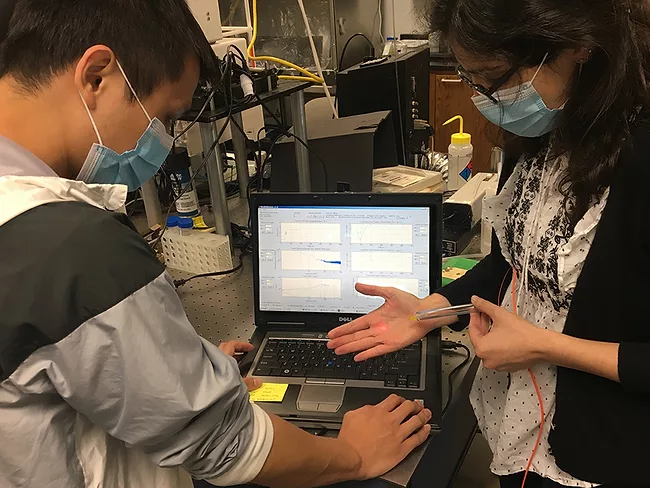
The University of Central Florida (UCF) and Orlando Health are testing new medical technology designed to identify blood clots more quickly in surgery. The monitoring device consists of a small optical fiber that uses red blood cells to track the process of blood coagulation in patients so doctors can watch for life threatening blood clot formation.
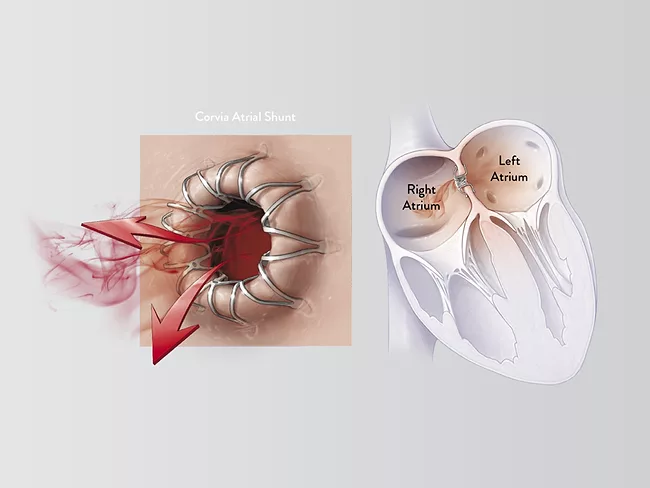
Corvia Medical Inc. has closed $54 million in equity financing to support a confirmatory trial for its Interatrial Shunt Device, designed to reverse diastolic heart failure (HF), otherwise known as “preserved ejection fraction” (HFpEF), and which affects millions of Americans. This follows results of the largest randomized controlled trial of a device-based therapy published in February 2022, with a 45% reduction in HF events and a 55% greater improvement in patient quality of life.
 RSS
RSS