Startup Brightheart SAS raised €2 million (US$2.14 million) in seed financing, from Sofinnova Partners, that will allow the company to accelerate the development of its artificial intelligence software, which helps physicians detect congenital heart defects in fetuses. Brightheart hopes that the technology will improve the detection of complex congenital heart defects during prenatal ultrasound screening as intervening early could address fetal malformations or abnormalities and improve a baby’s chance of survival.
Researchers at Mount Sinai Hospital have demonstrated that a machine learning-based model enables medical institutions to predict mortality risk for individual cardiac surgery patients.
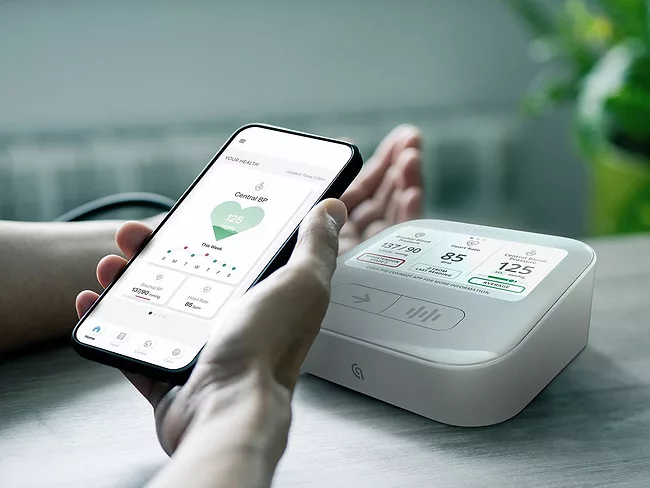
Cardiex Ltd. won U.S. FDA clearance for its Conneqt Pulse vascular biometric monitor. According to the digital health and wearables company, the device is the first in the world to provide measurements of both brachial blood pressure in the arm and central blood pressure in the heart and aorta, as well as arterial waveform analysis and other clinically relevant vascular biomarkers, outside the hospital, research institutions or clinical trial sites.
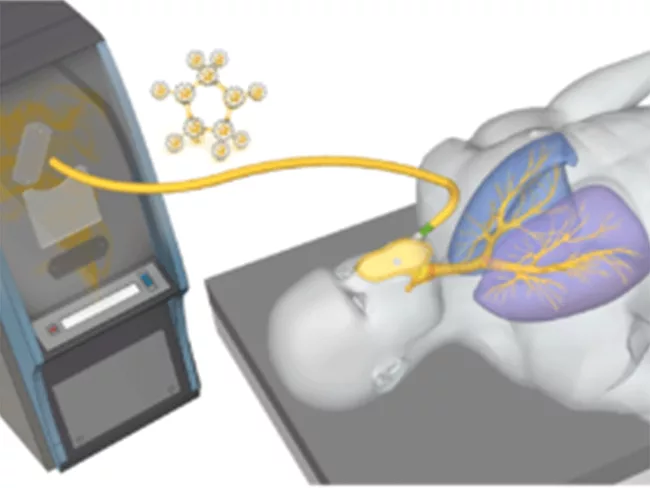
After receiving a U.S. FDA complete response letter nearly two years ago, Cyclopharm Ltd. said the agency has accepted its response and reset the clock for the NDA review of its Technegas combination product for pulmonary embolisms, with a new PDUFA date set for Sept. 29.
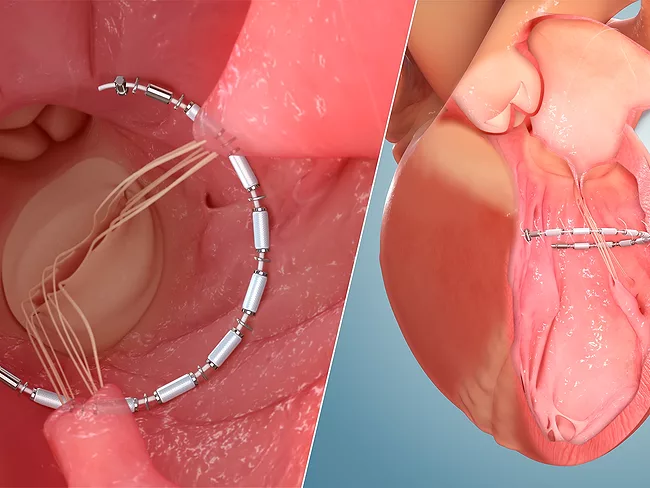
Ancora Heart Inc. reported 12-month data showing its Accucinch system significantly improves outcomes in heart failure (HF) patients, including positive changes in cardiac structure and function. The results, presented at the Technology and Heart Failure Therapeutics conference (THT 2023) in Boston, were simultaneously published in the Journal of Cardiac Failure.
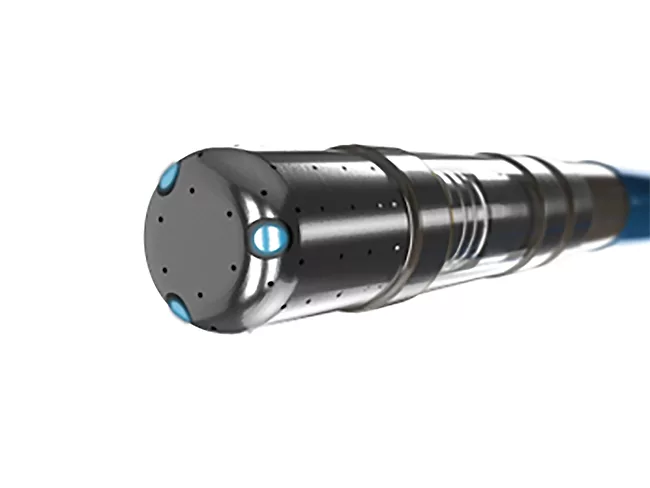
Medtronic plc has scored a CE mark for its Affera mapping and ablation system for atrial arrhythmias, mere months after acquiring the technology from cardiac solutions company Affera Inc. The dual-use system, which includes the Sphere-9 catheter and Affera Prism-1 mapping software, will be available in Europe beginning in the first half of 2023.
Two research studies by Egnite Inc. presented at the American College of Cardiology Conference (ACC) could shake up the scope of how aortic stenosis (AS) is understood and treated by physicians.
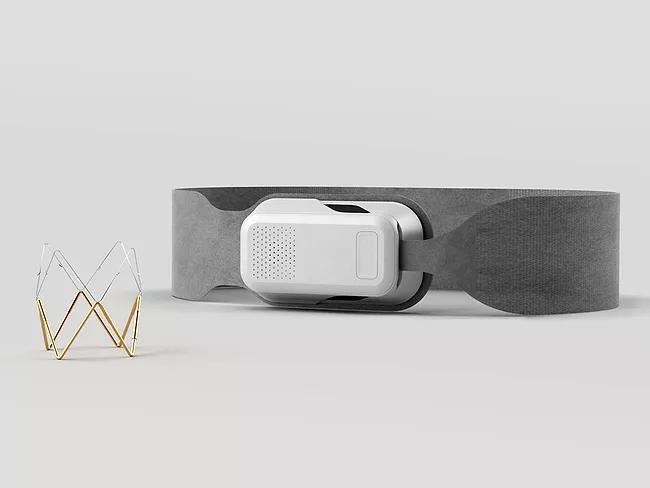
Andera Partners and Novo Holdings A/S led a financing round which raised $25 million for Fire1 Ltd. and will accelerate the development of the company’s remote monitoring technology that improves outcomes for heart failure patients. Andera and Novo are new investors in Fire1 and were joined in the fundraising round by existing investors Gilde Healthcare, Gimv, the Ireland Strategic Investment Fund, Lightstone Ventures, Medtronic plc, New Enterprise Associates and Seventure Partners.
Johnson & Johnson’s Biosense Webster division reported that its Qdot Micro diagnostic and ablation deflectable tip catheter secured approval for marketing in China from the National Medical Products Administration where options for treating arrhythmias are seeing growing demand. A radiofrequency (RF) ablation catheter, Qdot Micro reduced total ablation procedure time by nearly 90 minutes.
Methinks Software SL (dba Methinks.AI), a digital health company, is working on the U.S. FDA submission for its artificial intelligence (AI)-based stroke triage software, which will aid in the detection of acute stroke, after recently receiving CE mark certification.

 RSS
RSS