Medtronic plc has lowered its fiscal year 2026 earnings per share (EPS) guidance by 12 cents on the back of factors relating to its diabetes subsidiary, Minimed Group Inc., which recently completed its IPO.
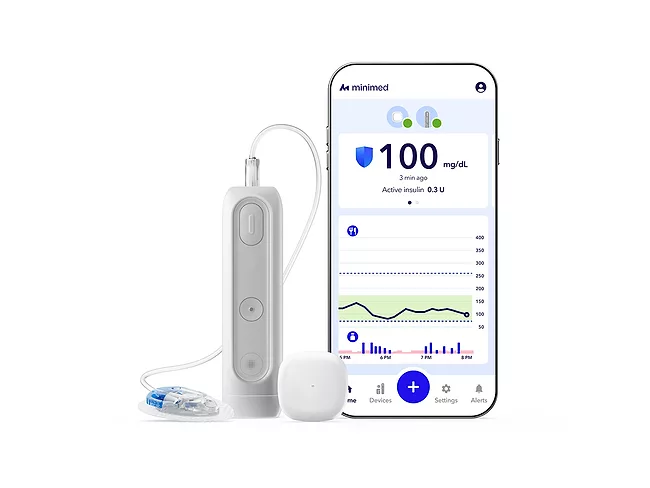
Minimed Group Inc. secured U.S. FDA approval for Minimed Flex, its next-generation discreet, smartphone-controlled insulin pump. The nod from the FDA follows the company’s debut on Nasdaq March 6. About half the size of the Minimed 780G pump and roughly the size of two stacked insulin vials, the screenless pump was designed in collaboration with people living with diabetes to offer a more intuitive, lifestyle‑friendly way to manage the condition.
Pricing shares at $20 each, below the intended price range, insulin delivery company Minimed Group Inc. debuted with an IPO on Nasdaq March 6, raising $560 million. The company offered a total of 28 million shares, which would have brought the Northridge, Calif.-based company $742 million in gross proceeds if the IPO had priced at the midpoint of the $25-to-$28 price range disclosed in February.
Minimed Group Inc., Medtronic plc’s diabetes business, is looking to raise up to $784 million in its IPO. Medronic last May revealed plans to spin off the unit as an independent public company and expected to complete the separation within 18 months.
Sava Technologies Ltd. reported positive clinical data showing that its multi-molecule biosensor technology can reliably monitor glucose levels beneath the skin in real time.
Medtronic plc is continuing to put its money where its mouth is as it plans to exercise its option to acquire Cathworks Ltd. for up to $585 million. The company said last month it was committed to expanding its pipeline through strategic investments and targeted acquisitions. The move for Cathworks comes on the heels of Medtronic’s $90 million investment in Anteris Technologies Global Corp.
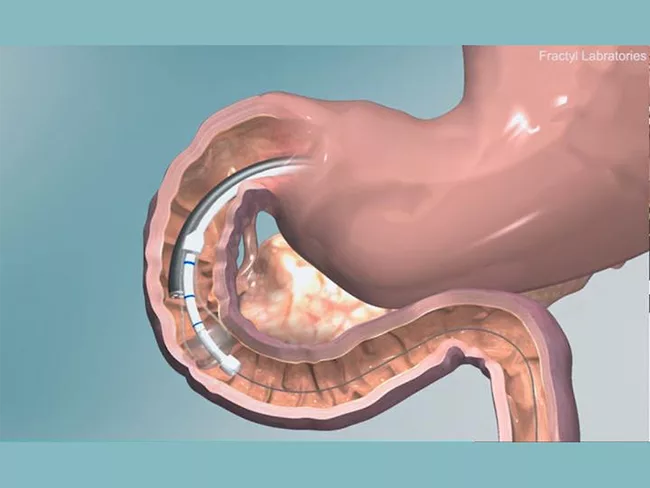
Six-month results from the REMAIN-1 trial showed that Fractyl Health Inc.’s Revita procedure cut post-GLP-1 weight regain by about 70% compared with a sham procedure in patients who discontinued incretin-based drugs such as semaglutide and tirzepatide after achieving substantial weight loss.
Beta Bionics Inc.’s preliminary results for its first full year as a public company offered an early read on developments and market positioning in the insulin pump and patch market, with analysts pointing to steady growth, rising pharmacy channel penetration and intensifying pressure as more products target both type 1 and type 2 diabetes.
Abbott Laboratories reported fourth quarter sales below expectations before the market opened on Jan. 22, sending the stock down nearly 12% from the prior day's closing. The biggest hits came from contraction in the nutrition group along with continued disruption in the diagnostics unit from volume-based procurement in China. Medical devices suffered from market share loss in electrophysiology and slower than expected uptake of continuous glucose monitors. The pharma group performed as anticipated, posting 7% growth.
Investors poured a further $13 million into Vicentra BV for Kaleido, its insulin patch pump system, taking the total raised in the company’s series D financing round to $98 million. The funds come amid significant changes across diabetes technology, particularly the acceleration of patch pumps. Kaleido is one of the smallest, lightest, and most precise insulin patch pumps available.
 RSS
RSS