Several cardiology societies in the U.S. have updated their guidelines for management of hypertension, which for the first time includes and endorsement of renal denervation (RDN). Two companies are poised to benefit from the news, including Medtronic plc with its Symplicity Spyral device and Recor Medical Inc., and its Paradise RDN system.
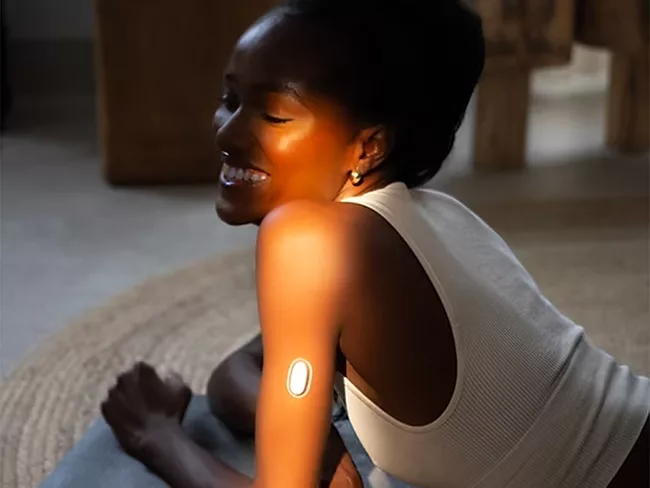
Sava Technologies Ltd. raised $19 million in a series A funding round for its multi-molecule biosensor platform that can detect biomarkers just beneath the skin, in real-time. The funds will go towards its first product, a continuous glucose monitor, which early clinical data showed can generate accurate glucose readings for up to 10 days of continuous wear.
Directsens GmbH recently signed a collaboration agreement with Metage, an Austrian research consortium, to advance a test for the early detection of type 2 diabetes. The focus of the partnership will be on validating Directsens’ Xpressgt assay, which measures 2-hydroxybutyrate levels in venous blood, and could be used by clinicians to inform patients they are at risk of developing type 2 diabetes.
Abbott Laboratories’ second quarter results echoed Johnson & Johnson’s, with med tech performing the hero’s work with strong growth. Overall, Abbott slightly beat expectations with sales up 6.9% overall compared to 2Q 2024, largely boosted by the med-tech unit’s organic revenue increase of 12.2%, and worldwide sales for the quarter of $11.1 billion. Diabetes provided a particularly bright spot with 19.5% year-over-year growth for continuous glucose monitoring devices.
To the surprise of no one in the device industry, the Medicare national coverage analysis for renal denervation (RDN) includes both radiofrequency and ultrasound technologies, but the agency has listed a range of specialists to be part of the patient’s care team, including but not limited to an endocrinologist.
Glucomodicum Oy reported positive results from a clinical study in which its needle-free continuous glucose monitor, Talisman, was tested in participants across both standard multi-hour glucose tolerance and ambulatory conditions involving exercise and meals.
The U.S. Centers for Medicare & Medicaid Services posted the draft home health rule for calendar year 2026, which includes a proposal to subject continuous glucose monitors and insulin pumps to competitive bidding, but the agency is also considering a more rapid pace of replacement of these technologies.
The rapid adoption of the Omnipod 5 answered a question automated insulin delivery system manufacturers posed for years: with clear health benefits and payer coverage, why has pump adoption been so slow? Insulet Corp.’s Omnipod 5’s rapid rise to dominance demonstrated unequivocally that people with diabetes want a stick-and-forget device. The American Diabetes Association’s 85th Scientific Sessions in Chicago on June 20-23 made just as clear that pump makers received the message with several companies outlining plans to introduce a patch system in the next two years.
Abbott Laboratories grabbed attention in early June with its announcement of a partnership with Tandem Diabetes Care Inc. to develop a multianalyte sensor for people with diabetes that would measure ketones as well as glucose.
Classically, the diagnosis of type 1 diabetes comes after a patient presents with unexplained weight loss, extreme thirst and frequent urination and a lab test reveals off-the-charts blood glucose levels. At the 85th Scientific Sessions of the American Diabetes Association in Chicago, researchers highlighted two options – a blood test and a machine learning model – for diagnosing the disease much earlier in its progression, when damage to the pancreas' beta cells could be slowed.
 RSS
RSS