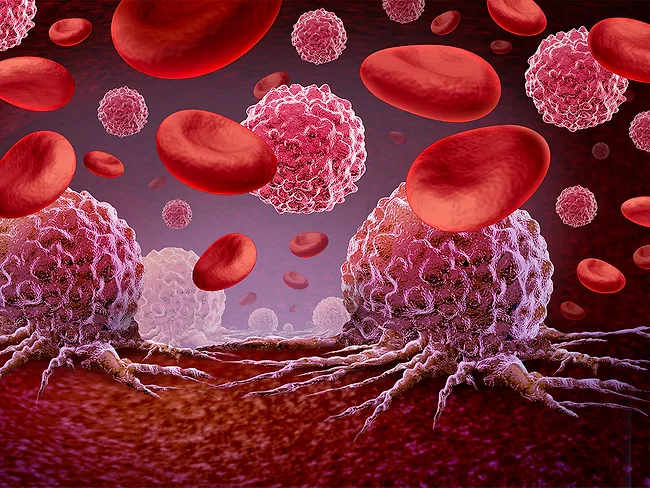
Sickle cell disease (SCD) is a genetic disorder caused by a single point mutation in the β-globin gene, leading to the production of abnormal hemoglobin. Patients with SCD lacking a compatible donor for allogeneic hematopoietic stem/progenitor cell transplantation can benefit from gene therapy approaches.
The U.S. FDA named the first nine recipients of the recently unveiled commissioner’s national priority voucher (CNPV) program aimed at addressing unmet public health needs by shortening regulatory review times to as little as one to two months. For one of those firms, Disc Medicine Inc., which submitted an NDA for bitopertin for rare genetic disorder erythropoietic protoporphyria in September, that could mean a potential approval before the end of 2025.
Paroxysmal nocturnal hemoglobinuria (PNH) – the rare blood disorder characterized by premature destruction of red blood cells – found itself in the spotlight, as did shares of Omeros Corp. (NASDAQ:OMER), which closed Oct. 15 at $10.42, up $6.32, or 154%, on word of an asset purchase and license agreement with Novo Nordisk A/S for zaltenibart (formerly OMS-906).
While recent advances in gene therapy have offered unprecedented options for patients with hemophilia, new data presented at the 32nd Annual Congress of the European Society of Gene and Cell Therapy (ESGCT), held in Seville Oct. 7-10, revealed persistent concerns regarding the durability of these treatments and their potential liver toxicity.
Entasis Therapeutics Holdings Inc. has described mannan-binding lectin serine protease 2 (MASP2) and/or mannan-binding lectin serine protease 3 (MASP3) inhibitors reported to be useful for the treatment of thrombotic microangiopathy, ischemia-reperfusion injury, disseminated intravascular coagulation, graft-versus-host disease, diffuse alveolar hemorrhage syndrome, and renal, eye and cardiovascular disorders, among others.
While recent advances in gene therapy have offered unprecedented options for patients with hemophilia, new data presented at the 32nd Annual Congress of the European Society of Gene and Cell Therapy (ESGCT), held in Seville Oct. 7-10, revealed persistent concerns regarding the durability of these treatments and their potential liver toxicity.
The transition from complex and costly ex vivo strategies to platforms that enable direct cellular intervention within the body, known as in vivo therapies, is marking a paradigm change in the field of gene and cell therapies by simplifying manufacturing, improving tissue targeting and expanding clinical access to treatments.
As the many challenges facing cell therapies are being addressed, the CAR T field continues to evolve beyond its original design of T cells engineered to target hematological malignancies. During the 32nd Annual Congress of the European Society of Gene and Cell Therapy (ESGCT), held in Seville Oct. 7-10, several studies showed how this technology is being redefined as programmable and adaptable immune cells with expanded functional versatility.
Athernal Bio Ltd. has launched, supported by £3.5 million (US$4.7 million) in funding and with a focus on the development of targeted immunotherapies for early intervention in high-risk clonal hematopoiesis, a cancer precursor condition which can lead to acute myeloid leukemia (AML) and other hematological cancers.
Clarivate plc has unveiled the 2025 Citation Laureates. Widely considered a predictor of the Nobel Prizes, this recognition has highlighted the discovery of biomolecular condensates in chemistry and the innate immunity signaling pathway in physiology or medicine, as well as the identification of leukemia stem cells and ghrelin, the so-called hunger hormone.
 RSS
RSS