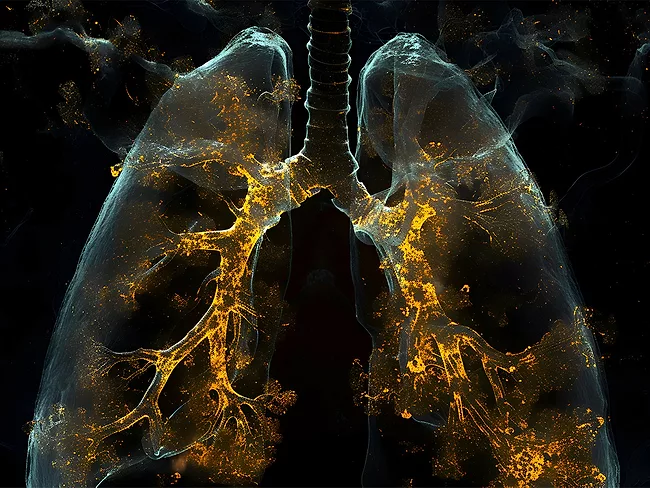
Researchers from Tulane University identified NOX4, a ROS-generating enzyme, in epithelium near fibrotic foci in tissue biopsies of patients with IPF and linked its expression to epithelial cells senescence and persistence of aberrant transitional state leading to pulmonary fibrosis.
Idiopathic pulmonary fibrosis (IPF) is a disease in which several unique genes have shown expression in the lung tissue of patients with IPF. Previous findings had found the mRNA expression of band 4.1-like protein 3 (EPB41L3) to be 14-fold higher in lung fibroblasts from patients with IPF compared to control subjects.
Interstitial lung fibrotic disease (ILD) is characterized by inflammation and fibrosis of lung tissue and is associated with poor prognosis. Gat Therapeutics SL has developed GTX-011, an orally available small molecule for treating fibrotic diseases.
α1-Antitrypsin deficiency is a hereditary disorder that affects the liver in children and adults, as well as the lungs in adults. The disease is mostly caused by the Z allele mutation in the SERPINA1 gene, where a glutamic acid amino acid is substituted by lysine (E342K) leading to protein misfolding and aggregation.
Shanghai Rulink Biopharma Co. Ltd. has synthesized integrin αvβ1, αvβ6 and/or αvβ8 antagonists reported to be useful for the treatment of idiopathic pulmonary fibrosis and primary sclerosing cholangitis.
Kaken Pharmaceutical Co. Ltd. has synthesized signal transducer and activator of transcription 6 (STAT6) inhibitors reported to be useful for the treatment of asthma, allergic rhinitis, chronic obstructive pulmonary disease, atopic dermatitis, nasal polyps, bullous pemphigoid, prurigo and urticaria, among others.
An enzyme that activates cell death could be targeted to avoid the inflammation and lung lesions caused by influenza A virus (IAV). A collaborative study demonstrated that an inhibitor of receptor-interacting serine/threonine-protein kinase 3 (RIPK3) blocked necroptosis in infected alveolar epithelial cells and prevented the consequences in the lungs of severe disease.
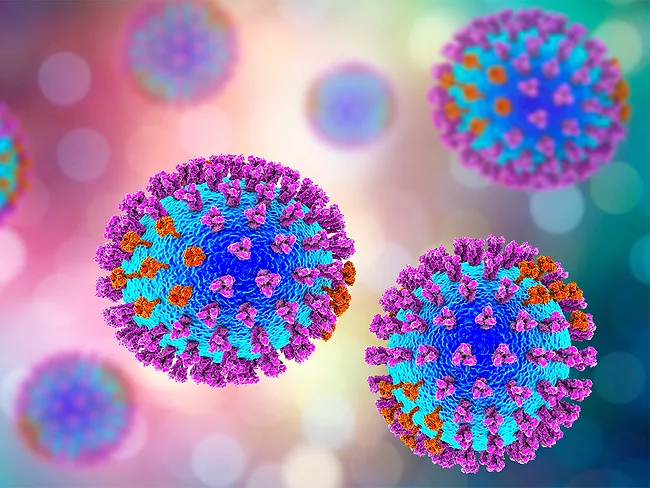
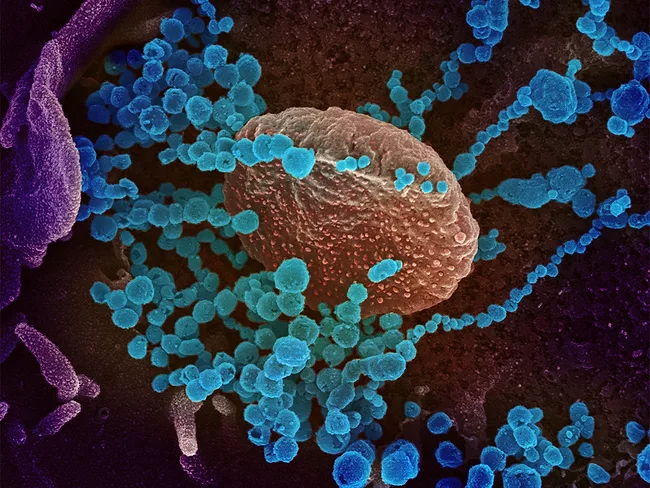
SARS-CoV-2 could proliferate in the lungs causing severe COVID-19 through a special type of immune cell. A group of scientists from Stanford University observed how this coronavirus infected interstitial macrophages through a CD209 receptor, triggering the inflammatory response observed in hospitalized patients.
Chiesi Farmaceutici SpA presented data for novel lung-targeted muscarinic M3 receptor antagonists/β2-adrenoceptor agonists (MABAs) as candidates for the treatment of chronic obstructive pulmonary disease (COPD).
Chiesi Farmaceutici SpA has synthesized heterocyclic derivatives acting as Janus kinase (JAK) inhibitors reported to be useful for the treatment of acute lung injury, asthma, chronic obstructive pulmonary disease and idiopathic pulmonary fibrosis.

 RSS
RSS