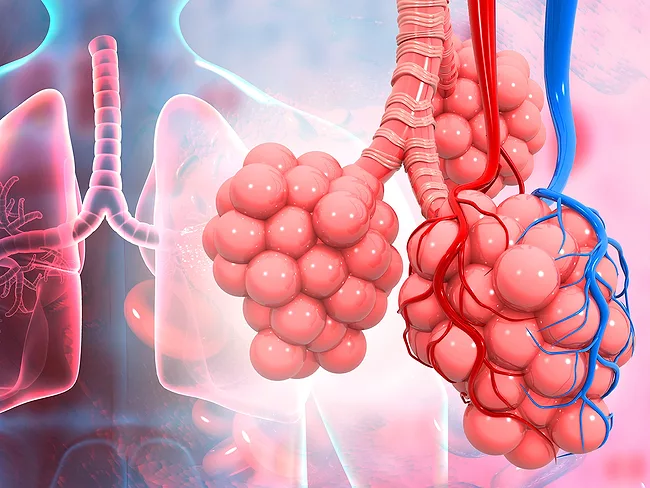
Korro Bio Inc. has announced the selection of KRRO-111 as a development candidate for the treatment of alpha-1 antitrypsin deficiency (AATD), a genetic disorder most commonly caused by a single missense mutation in SERPINA1.
HCW Biologics Inc.’s HCW11-040 has been shown in IND-enabling studies to prevent bronchopulmonary dysplasia (BPD), a rare pediatric disease affecting underweight premature infants.
Chinese researchers reported the discovery and preclinical characterization of a novel PROTAC degrader designed to target SAMHD1 and intended for the treatment of pulmonary fibrosis.
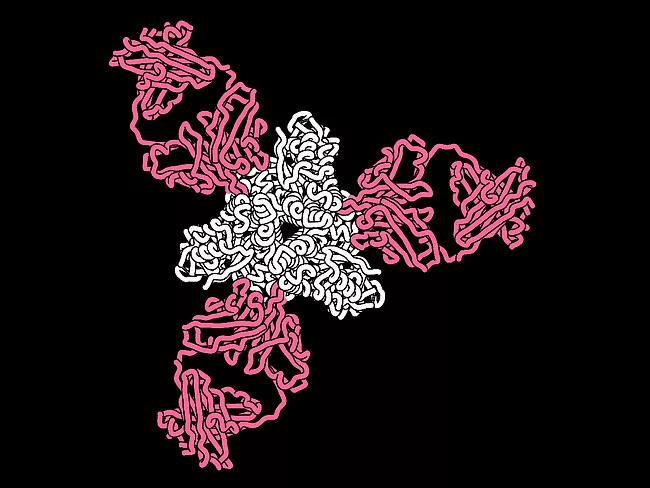
Scientists at the La Jolla Institute for Immunology have identified and characterized human antibodies that neutralize the measles virus by blocking its entry into the cell. This is the first time that antibodies have been shown to bind effectively to two essential viral proteins, creating a dual blockade that prevents infection. Unlike the current vaccine, which is based on an attenuated virus and is not recommended for immunocompromised individuals, these monoclonal antibodies could be used both as a new vaccine approach and as a treatment for the entire population.
Agomab Therapeutics NV has identified new TGF-β receptor type-1 (TGFBR1; ALK5; SKR4; TβR-I) inhibitors designed for use in the treatment of idiopathic pulmonary fibrosis.
Addex Therapeutics Ltd. has released preclinical data demonstrating antitussive activity of its γ-aminobutyric acid subtype B receptor (GABA-B) positive allosteric modulator (PAM) candidate in a bleomycin-induced idiopathic pulmonary fibrosis (IPF)-exacerbated chronic cough model.
Jiangsu Carephar Pharmaceutical Co. Ltd. has patented angiotensin AT2 receptor (AGTR2) agonists reported to be useful for the treatment of idiopathic pulmonary fibrosis.
Minimal residual disease (MRD) has become a central concept in modern oncology, reshaping how clinicians evaluate response, relapse risk and treatment precision. As increasingly sensitive technologies reveal traces of cancer that persist after therapy, MRD is emerging as both a biological challenge and a clinical opportunity, especially as new data illuminate its complexity across hematologic and solid tumors. This topic was addressed at the 2026 American Association for Cancer Research (AACR) annual meeting.
Addex Therapeutics Ltd. has announced findings from the evaluation of its γ-aminobutyric acid subtype B receptor (GABA[B]) positive allosteric modulator (PAM) in a nonhuman primate (NHP) model of chronic cough. In the study, the GABA(B) PAM drug candidate significantly reduced citric acid-induced cough frequency.
Acute lung injury (ALI) is a severe inflammatory condition marked by disruption of the alveolar-capillary barrier and impaired gas exchange. Emerging evidence implicates cathepsin L as a key contributor to ALI pathogenesis through protease-mediated tissue damage and amplification of inflammatory responses. Researchers from Zhejiang University of Technology reported the development of a new cathepsin L inhibitor designed for the treatment of ALI.
 RSS
RSS