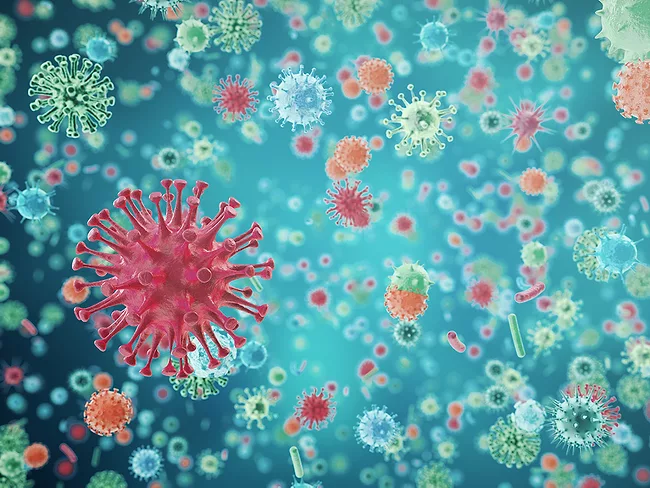
Deficiencies in interferon-stimulated gene 15 (ISG15), a protein that normally regulates the immune response, causes mild but persistent inflammation. However, its absence also provides an unexpected advantage by increasing resistance to viral infections. Inspired by this condition and using mRNA technology, scientists at Columbia University and the Icahn School of Medicine at Mount Sinai have developed a broad-spectrum antiviral platform.
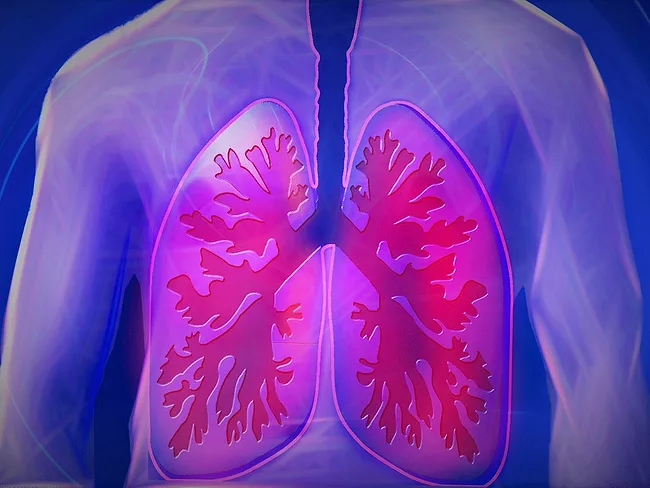
Mycobacterium abscessus, a nontuberculous mycobacterium, is a significant cause of chronic pulmonary infections, particularly in individuals with compromised immune systems or structural lung conditions, such as cystic fibrosis.
Equillium Inc. has entered into a definitive securities purchase agreement with health care investors that will provide up to $50 million in gross proceeds to Equillium. The private placement will enable the company to advance its selective aryl hydrocarbon receptor (AhR) modulator EQ-504 into the clinic.
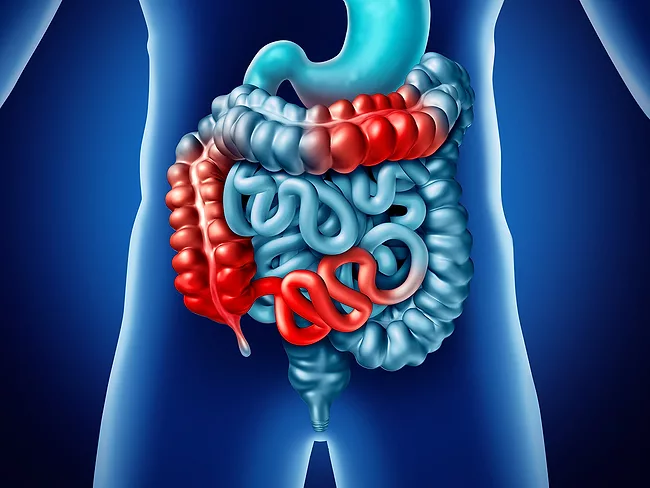
Open Source Therapeutics Co. Ltd. has identified bifunctional epoxide hydrolase 2 (EPHX2; sEH) inhibitors reported to be useful for the treatment of chronic obstructive pulmonary disease (COPD), Alzheimer’s disease, epilepsy, hypertension, psoriasis, rheumatoid arthritis, stroke and ulcerative colitis, among others.
Astrazeneca AB has synthesized transient receptor potential cation channel subfamily V member 4 (TRPV4) antagonists reported to be useful for the treatment of inflammatory disorders, respiratory diseases, metabolic diseases, dermatological disorders, neuromuscular disorders, genetic disorders, cancer and pain, among others.
Acute lung injury (ALI) and acute respiratory distress syndrome (ARDS) are severe respiratory conditions characterized by complex and incompletely understood pathophysiological mechanisms. Increasing evidence suggests that mitochondrial dysfunction contributes significantly to ALI pathogenesis.
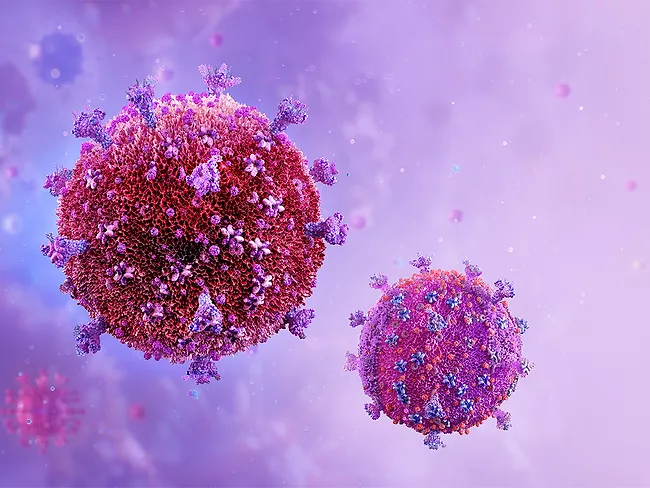
We all look different to HIV, a virus that destroys the immune system. The defensive cells record every interaction with foreign agents, infections from viruses and bacteria, but also with mechanisms occurring within the body, such as microbiome metabolism, the effects of aging, or the development of diseases. At a preconference session at the 13th IAS Conference on HIV Science (IAS 2025), scientists explained the interactions of different microorganisms with HIV.
Acute respiratory distress syndrome (ARDS) is a life-threatening pulmonary condition marked by intense inflammation, alveolar damage and fluid accumulation in the lungs, often leading to respiratory failure. In a study recently published in Translational Research, researchers aimed to develop a more physiologically relevant model by combining two major ARDS contributors: gastric acid aspiration and ventilator-induced lung injury.
Chronic obstructive pulmonary disease (COPD) is a respiratory disease characterized by chronic inflammation and structural damage to the alveoli, with irreversible declined lung function. M1 pro-inflammatory macrophages mainly participate in airway inflammation and in tissue destruction, and are involved in COPD, but the mechanisms need to be elucidated.

 RSS
RSS