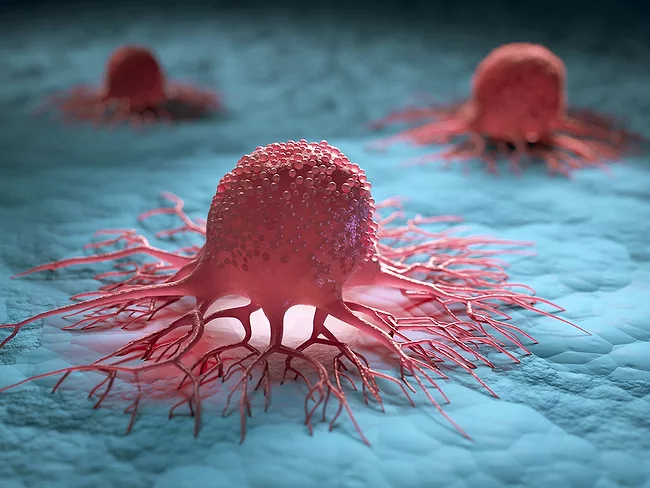
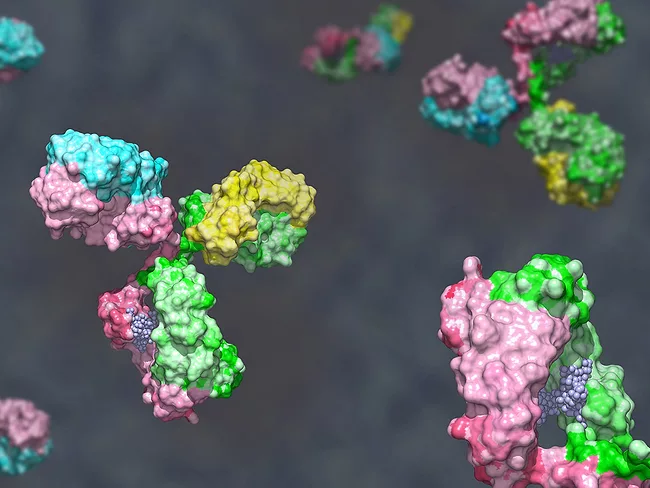
Nextpoint Therapeutics Inc. has unveiled NPX-372, a novel T-cell engager for solid tumors. NPX-372 is a CD3 bispecific antibody with unique capabilities to redirect T cell-mediated cytotoxicity toward B7-H7-positive tumors such as colorectal carcinoma, non-small-cell lung cancer, renal cell carcinoma and prostate cancer.
Hemogenyx Pharmaceuticals plc has developed a new and improved version of its bispecific antibody CDX for the treatment of relapsed/refractory acute myeloid leukemia, a subset of acute lymphoblastic leukemia, and potentially for conditioning in bone marrow transplantations.
Antibodies targeting cytotoxic T-lymphocyte protein 4 (CLTA-4) have faced challenges due to frequent adverse events and limited efficacy, thus pushing the search for next-generation anti-CTLA-4 antibodies that balance T regulatory cell (Treg) depletion with CD8 T-cell activation for cancer immunotherapy.
Mestag Therapeutics Ltd. has been awarded a £1.5 million ($1.9 million) grant from Innovate UK’s Cancer Therapeutics program to accelerate the development of MST-0300.
Invenra Inc.’s bispecific antibody, INV-724, developed for the treatment of neuroblastoma, has been awarded orphan drug and rare pediatric disease designations by the FDA.
China’s Genor Biopharma Co. Ltd. agreed to out-license GB-261, its bispecific antibody candidate primarily targeting B-cell lymphomas, to TRC 2004 Inc., a U.S.-based newco co-founded by Third Rock Ventures LLC and Two River Group Holdings LLC.
LTZ Therapeutics Inc. has completed a series A financing of more than $20 million to advance the development of its myeloid engager pipeline to treat cancer and autoimmune diseases. The closing of this round brings LTZ’s total funding to about $50 million.
Dren Bio Inc. has entered into a strategic collaboration with Novartis Pharma AG which will focus on the discovery and development of therapeutic bispecific antibodies for cancer leveraging Dren Bio’s proprietary Targeted Myeloid Engager and Phagocytosis Platform.
The targeted delivery of radionucleotides into tumors, known as radioimmunotherapy (RIT), has proven effective mainly in hematological cancer treatment, but its usefulness in solid tumors needs further exploration. Researchers from Oncoone Research & Development GmbH described the use of Pretarg-it, a novel pre-targeted RIT strategy that consists of ON-105 and the radioactively labeled DOTA-di-HSG peptide.
Beijing Gensciences Inc. has developed a FVIIIa-mimetic bispecific antibody named SS-315 for the treatment of hemophilia A. SS-315 was developed by targeting FX with its upper Fab arms and FIXa with its down-side scFv arms, respectively; the hemostatic potential of SS-315 was investigated in vitro and in vivo.
 RSS
RSS