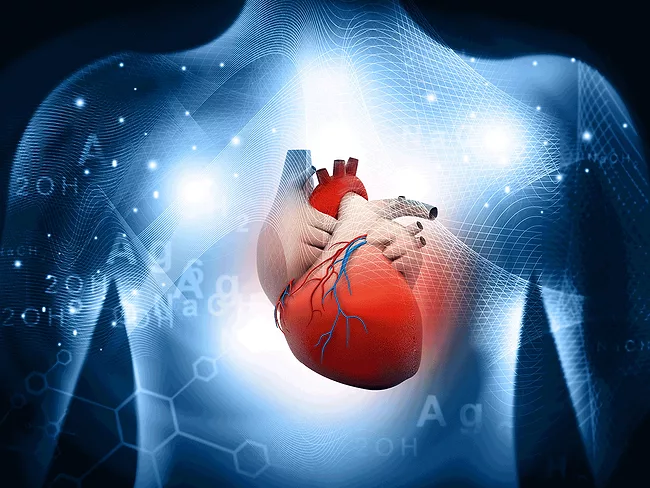
The PLN-R14del mutation is often tied to dilated or arrhythmogenic cardiomyopathy, which can progress to end-stage heart failure. Cardiac phospholamban (PLN) plays a crucial role in calcium modulation in cardiomyocytes, which is disrupted by the PLN-R14del mutation.
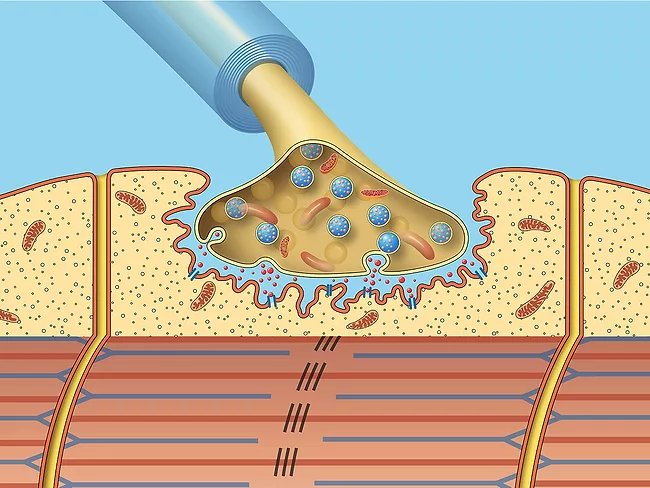
The Muscular Dystrophy Association (MDA)’s Kickstart program has announced receipt of both U.S. orphan drug and rare pediatric disease designations in support of work for congenital myasthenic syndrome caused by choline acetyltransferase (CHAT) gene deficiency. The FDA awarded the orphan drug designation to AVCHAT-01X (AAV serotype 9 human choline acetyltransferase).
Some rare skin diseases not only reduce the quality of life of patients, but also can be devastating conditions, leading to amputations or death. At the 31st annual congress of the European Society of Gene and Cell Therapy (ESGCT), held last week in Rome, different laboratories showcased their approaches to editing mutations related to this group of diseases.
Privately held Dyno Therapeutics Inc. has added another notch to its adeno-associated virus (AAV) vectors development portfolio in a deal with the Roche Group that includes $50 million up front and ultimately could top $1 billion. Dyno will help in developing next-generation AAV vectors, optimized by artificial intelligence, to target neurological diseases.
The FDA has granted orphan drug designation to Modalis Therapeutics Corp.’s MDL-101, a novel epigenetic editing therapy being developed for the treatment of congenital muscular dystrophy type 1a (LAMA2-CMD), a severe, early-onset muscular dystrophy caused by the absence of the LAMA2 protein.
Researchers from Affinia Therapeutics Inc. have described the development and preclinical evaluation of a new AAV-based gene therapy, designed using a novel cardiotropic capsid, for the potential treatment of MYBPC3-associated hypertrophic cardiomyopathy (HCM).
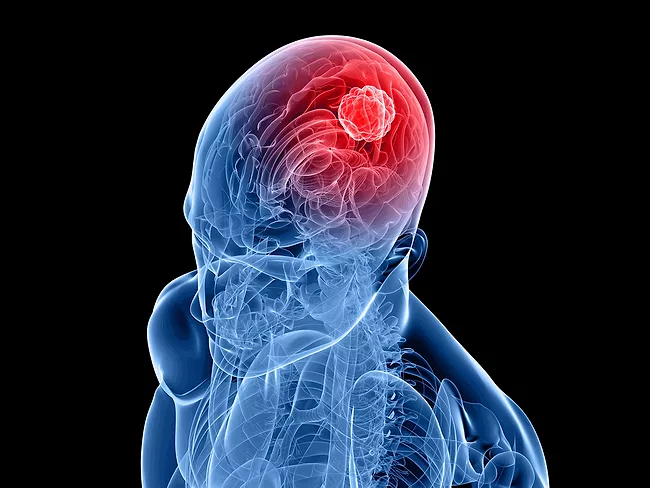
Scientists from different laboratories around the world have presented the latest advances in research into malignant brain tumors at the 31st Annual Congress of the European Society of Gene and Cell Therapy (ESGCT), which is being held Oct. 22 to 25 in Rome.
Mutations in the BBS10 gene are the second most common cause of Bardet-Biedl syndrome (BBS). Researchers from Meiragtx Ltd. aimed to optimize and identify an AAV vector carrying the human (h)BBS10 gene, obtaining sustained efficacy as well as good safety for clinical translation for the treatment of BBS.
At the ongoing European Society of Gene & Cell Therapy meeting in Rome, Aviadobio Ltd. presented preclinical data for a novel ATXN2-targeting miRNA-containing vector, AVB-205, developed based on previous research that has shown the potential of ATXN2 silencing as a promising therapeutic strategy for amyotrophic lateral sclerosis (ALS) and tau-negative frontotemporal dementia (FTD).
Spastic paraplegia type 47 (SPG47) is a rare congenital and neurological disorder characterized by dysfunction of the long axons in the corticospinal tract neurons that lead to progressive limb weakness and spasticity.

 RSS
RSS