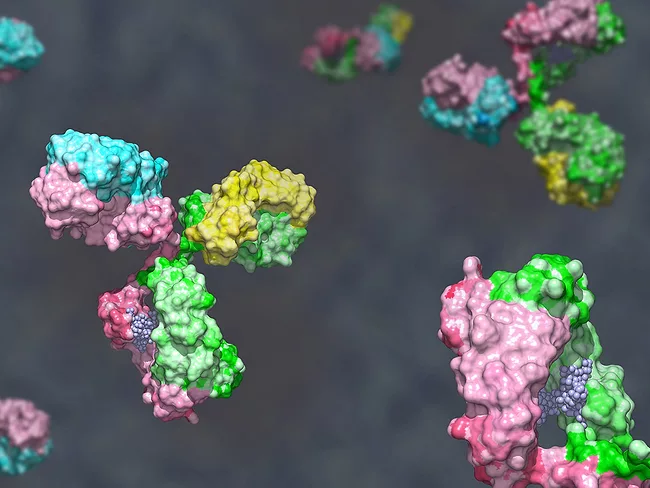
AI Proteins Inc. has closed a $41.5 million series A financing round to accelerate AI-driven design and development of purpose-built miniprotein medicines across therapeutic applications.
Captain T Cell GmbH has successfully closed an equity financing round to support its T-cell receptor (TCR) T-cell therapies for solid tumors. The company’s autologous lead program, CTC-127, is a best-in-class TCR T-cell therapy targeting MAGE-A4-positive solid tumors and is expected to enter clinical trials in early 2027.
Mitorx Therapeutics Ltd. has raised £5.5 million (US$7.2 million) in a pre-series A round to advance its lead mitochondrial-targeted program, Myo-004, through clinical candidate selection.
San Francisco Bay Area researchers from UC Berkeley, UC San Francisco and Stanford University have combined their technologies to create Azalea Therapeutics Inc., a company focused on editing cells in vivo.
Neok Bio Inc. was formed earlier this year and is already on schedule to file an IND in a few months for its two bispecific antibody-drug conjugates (ADCs) to treat various types of tumors. The biotech got a leg up on development from its principal investor, Korean biotech ABL Bio Inc., where the discovery work was accomplished.
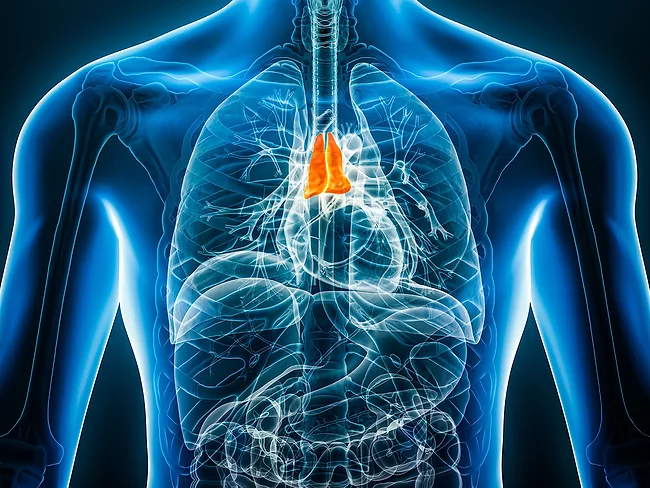
Zag Bio Inc. came out of stealth mode with $80 million in funding so far, including a recently closed series A financing, to develop its platform for autoimmune diseases using drugs targeted to the thymus where thymic regulatory cells are produced.
French VC Andera Partners has reached the first close of its Biodiscovery Fund 7 at more than €300 million (US$349 million) and says it is on track to surpass the size of the previous fund, which closed at €456 million during the pandemic-driven boom of 2021.
Smartbax GmbH has announced the successful first closing of its €4.7 million (US$5.4 million) pre-series A financing round to support development of its next-generation antibiotics against multidrug-resistant (MDR) bacteria. A second closing of the round remains open to investors.
A year and half from its inception, Adcytherix SAS has raised a €105 million (US$122 million) series A, enabling it to take the lead antibody-drug conjugate (ADC) program into clinical development next year.

 RSS
RSS