Proteus Digital Health Inc.’s digital medicine program, Digimeds, achieved 95% adherence in patients with hepatitis C virus (HCV) who typically would not be offered direct acting antivirals because of their high risk for nonadherence as a result of mental illness, transportation issues or previous evidence of nonadherence.
SAN JOSE, Costa Rica – 3D printing has emerged as a source of tangible solutions to multiple challenges facing the medical technology industry, and some of the largest companies in the space are already looking at and using this rapidly evolving technology. Med-tech manufacturer Boston Scientific Corp., for instance, is using 3D printing across multiple plants around the world, including its two manufacturing facilities in Costa Rica.
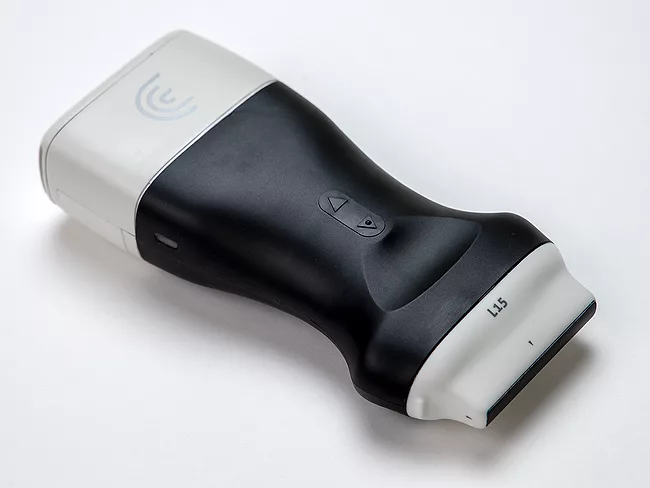
TORONTO – Burnaby, British Columbia-based Clarius Mobile Health Inc. has launched a second-generation series of wireless ultrasound scanners aimed at expanding its foothold in the North American and European imaging markets. More portable and powerful than its predecessors – the Clarius C3 and L7 launched in 2016 – the L15 hand-held ultrasound scanner series also may find markets in cardiac and sports medicine, as well as anesthesiology.
The U.S. FDA has engaged in an overhaul of its software policies in the wake of the mandates spelled out by the 21st Century Cures Act. However, those policies are still a work in progress, as a recent FDA webinar made clear. The FDA won’t have long to put those policies into place as the U.S. House of Representatives is considering a follow-on to the Cures Act, dubbed Cures 2.0, which will impose yet more changes on the agency’s approach to software regulation.
Radiologist burnout is a common problem. To combat this issue, Berkeley, Calif.-based Rad AI has launched with a $4 million seed round led by Gradient Ventures, Google's AI-focused venture fund. Other participants in the round were UP2398, Precursor Ventures, GMO Venture Partners, Array Ventures, Hike Ventures, Fifty Years VC and various angels.
LONDON – Mologic Ltd. has started recruitment in a 263-patient trial to validate its urine-based home test for anticipating exacerbations of chronic pulmonary obstructive disease (COPD). The lateral flow immunoassay self-test detects five biomarkers of the lung disease in urine that are indicative of inflammation and infection.
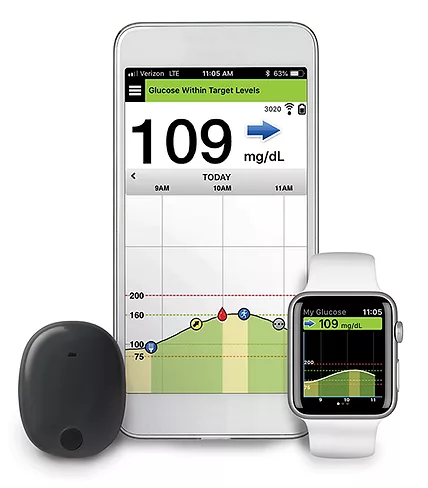
Germantown, Md.-based Senseonics Inc. said results from a recent study confirm that the sensor in its Eversense continuous glucose monitoring (CGM) system performs well over multiple, sequential 90-day and 180-day cycles. The real-world trial assessed the accuracy of the Eversense data management system by comparing sensor blood sugar values with self-monitored glucose values in 945 adults.
Stanford University School of Medicine and Apple Inc.have published results from the largest digital-only study. The trial has been conducted in more than 400,000 people in the U.S. over more than eight months. It was set up to screen participants via their Apple Watch for heart irregularities and then to further monitor any of those with identified issues with a wearable ECG patch.
HONG KONG – SK Holdings Co. Ltd. invested ₩10 billion (US$8.6 million) in Standigm Inc., an artificial intelligence (AI)-powered biotech company based in Seoul, Korea. It is the second big investment Standigm has attracted this year after a ₩13 billion series B round in March.
LONDON – Long-awaited guidance on how software will be treated under the stricter EU devices regulations brings clarity but also adds to the mountain of preparations needed to comply with the new rules. The vast majority of software products that are treated as class I under the current rules – and therefore self-certified – will be upgraded to class IIa and higher under the Medical Devices Regulation (MDR) coming into effect in May 2020, and the In Vitro Diagnostic Regulation (IVDR), which takes effect May 2022.

 RSS
RSS