Nuralogix Corp. is taking its selfie-based health monitoring platform to the next level, offering continuous health and vital signs tracking during video calls. The launch of Anura Telehealth is the newest addition its Anura app, which uses video cameras on smartphones and other consumer devices to extract facial blood flow information and provide a personalized snapshot of health and wellness.
The U.S. FDA managed to wrap up a guidance for clinical decision support (CDS) products after several years, one of several projects the agency was liable for in the area of digital health. While a much-needed draft guidance for change control for artificial intelligence algorithms made the guidance agenda for the FDA’s new fiscal year, that draft is only a B draft guidance priority, suggesting that a final guidance might not emerge until calendar year 2024, possibly later.
Fujifilm Corp. inked an agreement to purchase the global digital pathology business of Inspirata Inc., paving the way for expansion of its Synapse enterprise imaging offering. The transaction includes Inspirata’s Dynamyx software, which Fujifilm has distributed in the U.K. and certain European Union countries since mid-2020. Under the agreement, Fujifilm will acquire Inspirata’s digital pathology technology, as well as employees and customers associated with the brand. Financial terms of the deal were not disclosed. It is expected to close in early 2023.
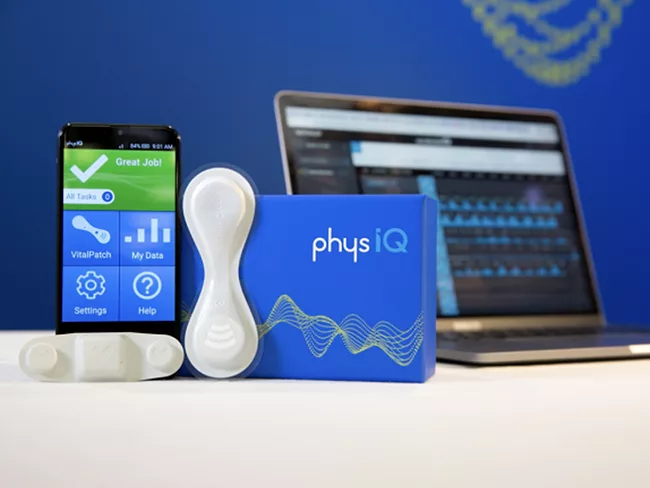
The move away from in-clinic testing continues, with another company offering a convenient, at-home sensor that gathers critical health information without requiring any change on the part of the patient, which may provide even more accurate, real-world data on patient health than the tests they replace.
Olive Diagnostics Pvt. Ltd. is looking to raise $10 million in a series A funding round to extend sales and marketing activities, after getting CE approval for its urine analysis device that mounts on any toilet. Among other parameters the device, Olive KG, can measure red blood cells, proteins, nitrates, pH levels volume, pressure and frequency of urination.
Minze Health NV closed on $4.1 million of seed funding to develop its digital solution for the treatment of urinary tract problems. Three major Belgian funds participated in this seed round, led by White Fund SA, a private equity fund focusing on med-tech. Capricorn Partners NV joined White Fund via its Digital Growth fund, alongside Flemish investment company PMV NV.
Wangli Technology, a subsidiary of Adai Technology (Beijing) Co. Ltd., has raised ¥100 million (US$14 million) to continue developing digital therapeutics aimed at mental health indications.
The U.S. FDA has given the green light to Aeye Health Inc. for its autonomous diagnostic screening system for diabetic retinopathy. The Aeye Diagnostic Screening (Aeye-DS) uses artificial intelligence (AI) to diagnose the eye condition from retinal images captured by a fundus, or retinal, camera.
Cardiai Inc. has developed a small, portable monitor that continuously measures patients’ blood pressure (BP) at regular intervals for up to seven days, well beyond the single measurements historically done in a doctor’s office.
Six minutes of walking data collected by a smartphone sensor could provide population level health screening, researchers reported in PLOS Digital Health. The study tracked more than 100,000 people as they went about their day wearing activity monitors similar to motion sensors used in smartphones. The sensors captured information on intensity from short burst of walking to predict five-year mortality risk, independent of age and sex.

 RSS
RSS