The Japanese government, industry and academia are deliberating health care policies and initiatives to boost Japan’s role in the future of regenerative medicine, experts at Bio Japan 2024 said, as the fruits of cell and gene therapy research come to fruition with new approvals.
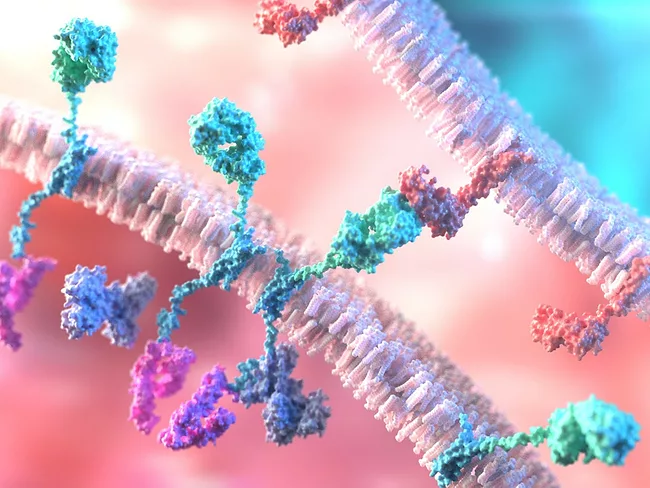
U.S. biotechs and regulators ushered in the era of gene therapy in 2023, experts at Bio Japan said, but medical reform is needed to pave the way for the “year of cell therapy” in 2024 and implement wider access to ultra-expensive cell and gene therapies.
Clarity Pharmaceuticals Ltd. will begin early next year its pivotal phase III trial for its copper-based radiopharmaceutical, 64Cu-SAR-bisPSMA, for diagnosing prostate cancer in patients with biochemical recurrence following positive U.S. FDA feedback.
When Andrew Wilks invented the JAK inhibitor momelotinib in the late 1980s for myelofibrosis, he never would have imagined it would take more than 20 years to develop and eventually be acquired for $1.9 billion. Today he’s on a mission to ensure Australian inventors have more options than he did, telling BioWorld that he had to sell the molecule for around $10 million because he couldn’t get funding.
Backed by AI technology, Aigen Sciences Inc. raised ₩12 billion (US$8.8 million) in a series A financing round to further advance its cancer and rare disease drug pipelines.
A new study helps explain the role of genetic variation in shaping gene regulation in the Indonesian archipelago, one of the most diverse regions in the world. “This study is the only study of splicing from Southeast Asian populations. There is basically no data from this part of the world,” study author Irene Gallego Romero told BioWorld. For drug discovery, most of the people that have historically participated in clinical trials are of European ancestry, and scientists are just beginning to study African populations to better understand genetic differences in these populations, said Romero, a population geneticist and biological anthropologist at the University of Melbourne.
China’s National Medical Products Administration has given the thumbs up to Junshi Biosciences Co. Ltd.’s NDA for ongericimab, a recombinant humanized anti-PCSK9 monoclonal antibody, marking the third PCSK9 inhibitor to be cleared in China.
Akeso Pharmaceuticals Inc. raised $250 million via a public offering that will allow the company to accelerate clinical development of its internally developed drugs in both China and international markets. The offering consists of 31.7 million shares priced at HKD$61.28 (US$7.88) per share and marks the second successful placement in 2024 for Guangdong, China-based Akeso. Following the offering, the company's cash on hand is expected to be $1.064 billion.
Gilead Sciences Inc. terminated a potential $785 million licensing deal with Yuhan Corp. inked in 2019 to develop metabolic dysfunction-associated steatohepatitis (MASH) therapies.
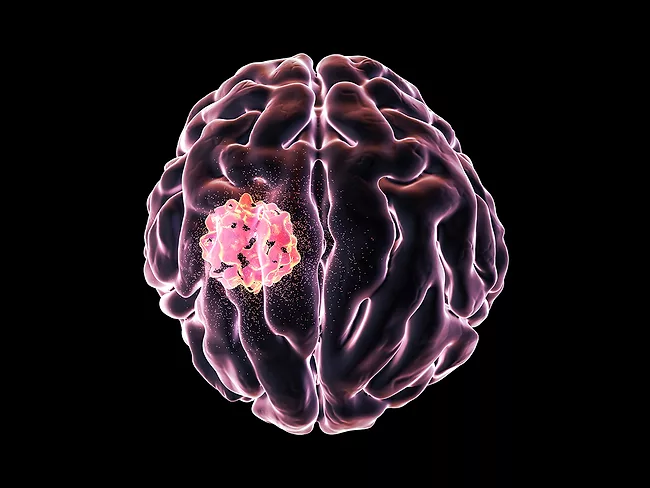
Virus is associated with sickness, but oncolytic virus therapies, which harness viruses to attack and kill cancer cells, may soon change the standard of treatment for cancer, including those long deemed uncurable like malignant glioma.
 RSS
RSS