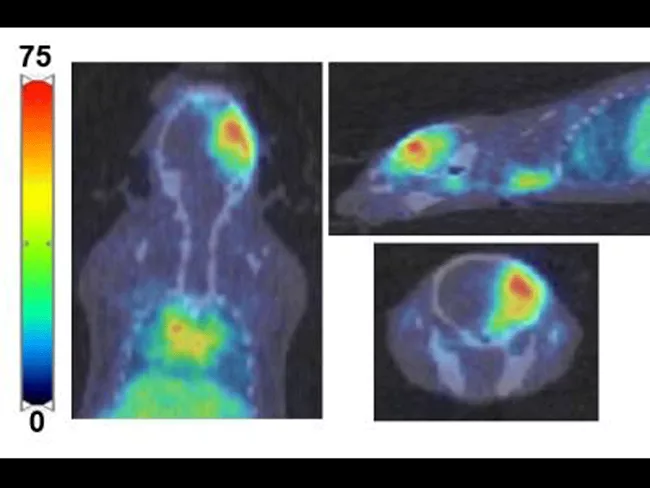
Radiopharm Theranostics Ltd.’s radiotracer RAD-101 met the primary endpoint in 92% of patients in the phase IIb imaging trial in brain metastases, according to interim results. To date, 11 of the 12 patients treated with RAD-101 (F18-Pivalate) achieved concordance with MRI (the primary endpoint) as assessed by PET imaging of brain metastases. The results showed significant and selective tumor uptake, and images confirm metabolic activity in brain metastases compared to equivocal MRI findings.
China’s clinical trial volume has surged to nearly U.S. scale and now tops Europe, sitting at about 80% of U.S. levels and roughly 10% above the EU in 2024.
Experience gained in the Asia-Pacific region is helping shape the Menarini Group’s global strategy as the Italian pharmaceutical company looks to emerging markets to drive long-term, sustainable growth.
Formation Bio Inc. acquired ex-China rights to Lynk Pharmaceuticals Co. Ltd.’s oral TYK2-inhibitor, LNK-01006, for up to $605 million. The phase I-ready central nervous system (CNS) candidate will be developed at Formation’s newly formed subsidiary, Bleecker Bio.
China unveiled its first Commercial Health Insurance Innovative Drug List (CIIDL), reimbursing 19 high-value innovative drugs, including all five domestically developed CAR T therapies as well as treatments for rare diseases and Alzheimer's disease.
D3 Bio Inc. secured $108 million in a series B financing round Dec. 9 to support its planned phase III program of lead oral KRAS G12C inhibitor, elisrasib (D3S-001).
A month after besting rival Novo Nordisk A/S in a bidding war for obesity drug developer Metsera Inc., Pfizer Inc. is again adding to its GLP-1 arsenal, this time via a $2 billion licensing and collaboration agreement with Yaopharma, a subsidiary of China’s Fosun Pharmaceutical Co. Ltd.
Seventy-three pharmaceutical, biotechnology and medical device companies from mainland China filed for IPOs in Hong Kong this year, a review by BioWorld found. In the second half of 2025, 43 new securities reports were filed on the Hong Kong Stock Exchange, increasing from the 30 applications in the first half.
Immutep Ltd.’s stock surged 31% on Tuesday morning following the news that it out-licensed rights to Dr. Reddy’s Laboratories Ltd. to develop and commercialize eftilagimod (IMP-321, efti) in selected territories in a deal worth AU$528.4 million (US$349.5 million).
Fourteen therapies to treat moderate to severe psoriasis are expected to enter the Chinese market in the next two years, according to Clarivate and BioWorld reports. Eleven of them are being developed by domestic biopharmaceutical firms.
 RSS
RSS