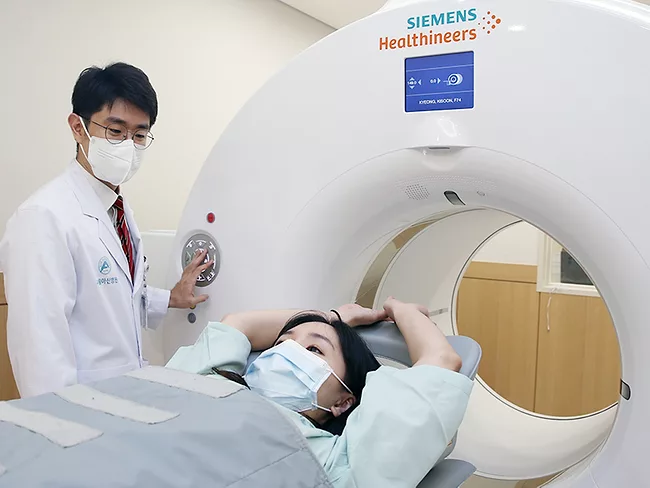
Radiopharmaceuticals, including 16α-18F-fluoro-17β-estradiol (18F-FES) PET/CT, are emerging as powerful tools with new diagnostic and therapeutic potential in breast cancer diagnosis and treatment, Han Sang-won, professor from the department of nuclear medicine at Asan Medical Center, recently told BioWorld.
Sumitomo Pharma Co. Ltd. announced that it will sell off two more of its subsidiaries, Sumitomo Pharma (China) Co. Ltd. and Sumitomo Pharma Asia Pacific Pte. Ltd. (and their subsidiaries), to Marubeni Global Pharma Corp. April 1, as the Japanese pharma continues restructuring efforts from last year.
Following news of U.S. President Donald Trump’s 10% across-the-board tariffs on Australian exports to the U.S., Australia’s Securities Exchange shed nearly AU$55 billion in losses Thursday morning. Even so, pharmaceuticals have escaped the tariffs for now. In China, Trump’s tariffs are not a big concern for China’s health care because drugs and active pharmaceutical ingredients are exempted from the tariffs. Even if tariffs are imposed in the future, Chinese pharmaceutical companies have already significantly de-risked themselves in recent months by increasing out-licensing models with U.S. partners.
GE Healthcare Technologies Inc. gained full ownership of Nihon Medi-Physics Co. Ltd. after acquiring the remaining 50% stake from Sumitomo Chemical Co. Ltd. on March 31.
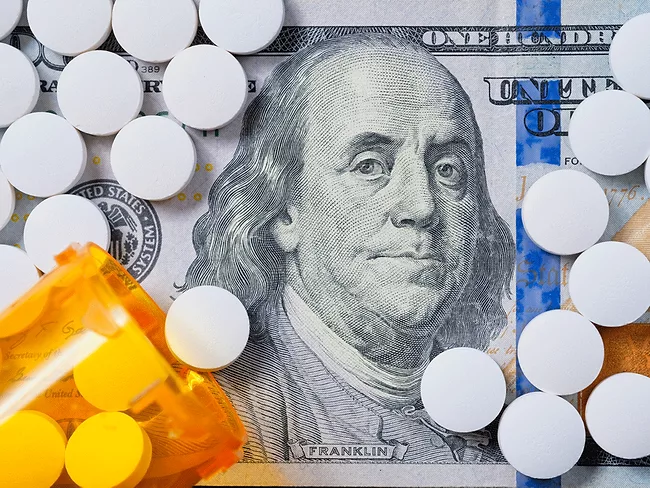
After several on-again, off-again tariff threats, U.S. President Donald Trump made it official April 2: Beginning immediately, the U.S. will levy “kind reciprocal” tariffs on countries across the world. Focusing on the numbers, Trump didn’t mention whether any goods would be exempt from the new tariffs, and the executive order he signed at the Rose Garden ceremony wasn’t available as of press time. However, in concluding his remarks, Trump said the pharmaceutical industry would “come roaring back” in the U.S., because if biopharma companies don’t, they will be facing big taxes.
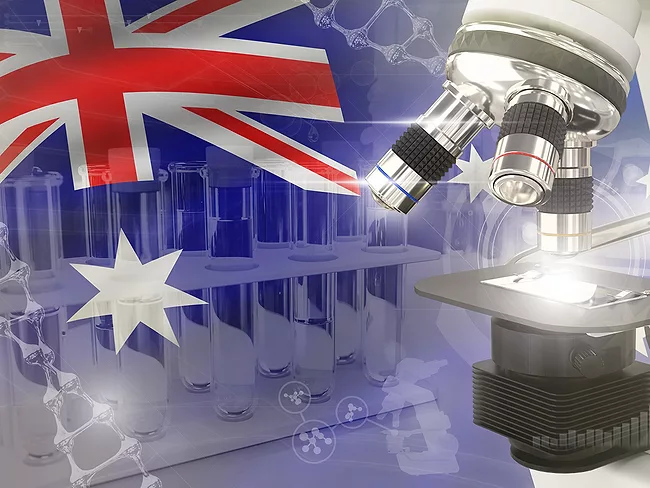
Australia’s top universities are looking more to Asia for research collaborations following threats from the Trump administration to stop funding research at institutions that don’t comply with U.S. narratives.
It was a mixed day for Daewoong Pharmaceutical Co. Ltd., which disclosed separately on March 28 both the termination of a $336 million licensing deal with CS Pharmaceuticals Ltd. and upbeat plans to unveil three new oncology assets at the upcoming American Association for Cancer Research in April.
Merck KGaA is exercising its option for a global license to commercialize Abbisko Therapeutics Co. Ltd.’s pimicotinib for $85 million. As previously reported by BioWorld, Abbisko out-licensed China rights to its colony-stimulating factor 1 receptor inhibitor, pimicotinib, to Merck in a deal worth up to $605.5 million in December 2023.
Australia’s Therapeutic Goods Administration floated a draft rule on risk classification for in vitro diagnostics, which does not apply to home use tests, the subject of impending rulemaking.
Australia’s top universities are looking more to Asia for research collaborations following threats from the Trump administration to stop funding research at institutions that don’t comply with U.S. narratives.
 RSS
RSS