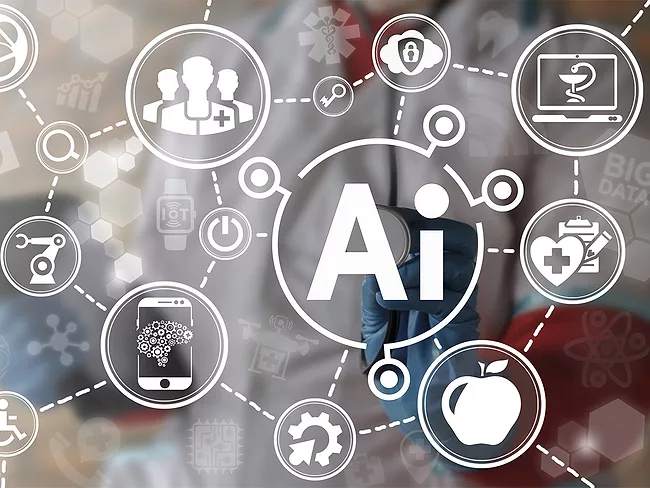
The U.S. NIH is not generally regarded as a wellspring of concepts and policies in the world of artificial intelligence (AI), but that perception may change soon thanks to the agency’s Bridge2AI program. The agency announced recently that it will drop $130 million into this program over four years in an effort to develop standards for data used in AI research, a key development for device makers seeking to sell products that use these complex algorithms.
The Biden administration’s views of mergers and acquisitions have veered sharply from those of the previous administration, but Jonathan Kanter, assistant U.S. attorney general, said recently that there is more to come. Kanter said the Department of Justice (DOJ) and the Federal Trade Commission (FTC) will shortly publish draft guidelines that would place the burden on the parties to these M&A transactions to prove the transaction is not anticompetitive, upending the historical presumption that the plaintiff is liable for demonstrating the anticompetitive nature of the proposed transaction.
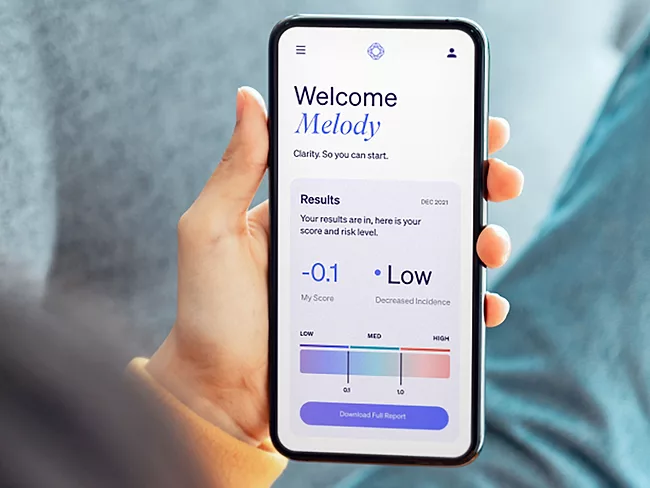
Challenges scheduling time for a mammogram, frustration waiting for the exam itself and pain from the test have caused any number of women to cry. Namida Lab Inc. may take the inconvenience and anxiety out of breast health assessment with its Auria test, but the tears will stay. Like a growing number of assays, the test uses tear-based analytics to determine cancer risk.
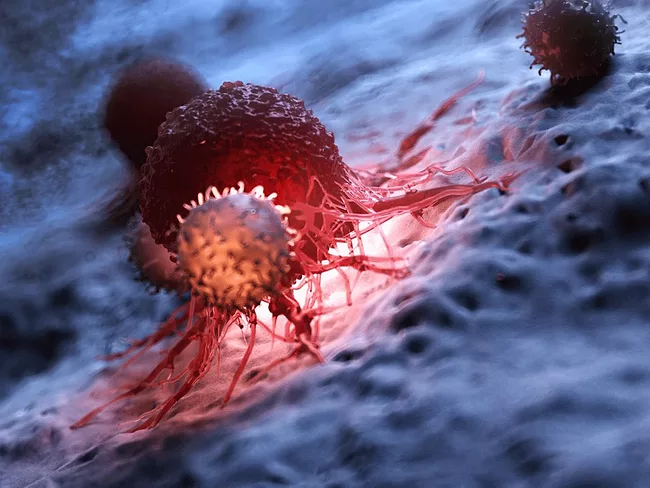
A new generation of chimeric antigen receptor (CAR) T-cell therapies with advanced functions could hold the answer to improved safety and efficacy for these effective but potentially dangerous cancer therapies, shows research led by Boston University. The scientists showed it is possible to add ‘on’ or ‘off’ switches to CAR T cells, which can be activated using oral drugs with a known safety profile.
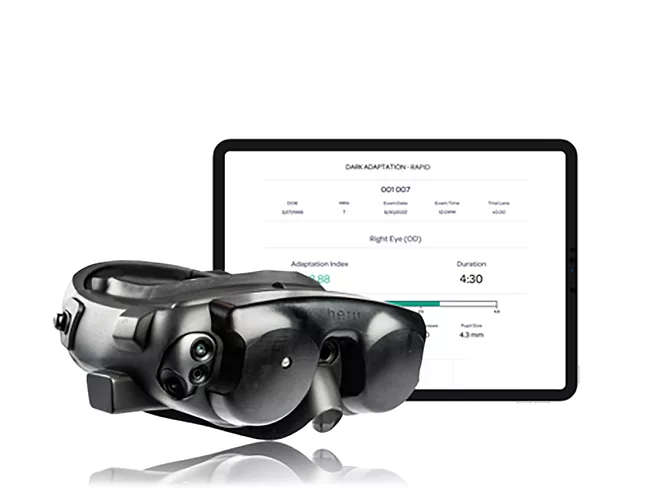
Sometimes it is a good idea to go to the dark side, particularly for individuals with undiagnosed vision impairment. Dark adaptation is one of the first aspects of vision to become impaired by age-related macular degeneration (AMD), so identifying it at early stages can preserve sight. Heru Inc. recently launched a new modality for its wearable screening platform to quickly assess dark adaptation.
From the beginning of the monkeypox outbreak in the U.S. in May, the federal government has bungled the response, according to both Democratic and Republican members of the Senate Health, Education, Labor and Pensions (HELP) Committee.
The U.S. FDA has granted breakthrough device designation to Potrero Medical Inc. for its AKI Predict machine learning algorithm for the advanced prediction of acute kidney injury (AKI) associated with intra-abdominal hypertension (IAH) in intensive care patients recovering from cardiac surgery.
With a goal of manufacturing biotechnology in the U.S. that’s invented in the U.S., President Joe Biden signed an executive order Sept. 12 launching a National Biotechnology and Biomanufacturing Initiative that’s intended to strengthen the country’s bioeconomy, build stronger supply chains, and better utilize and secure biological data.
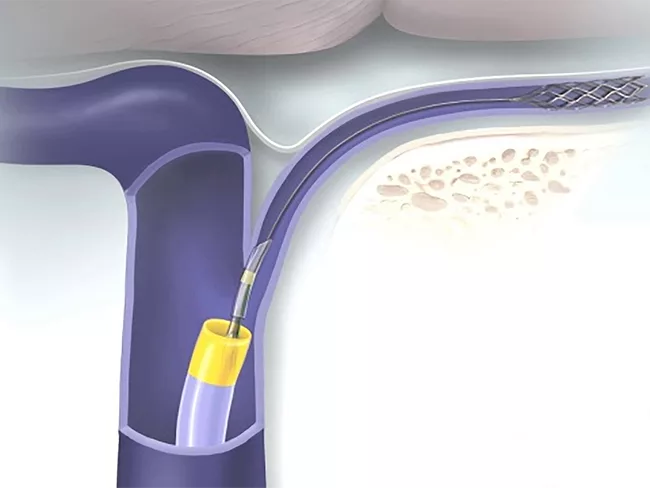
Cerevasc Inc. has treated its first U.S. patient using an investigational device intended for patients suffering from hydrocephalus, one of the most common neurological conditions worldwide. Boston-based Cerevasc’s Eshunt system is being taken through its paces during a clinical study in Buenos Aires, Argentina and is aimed at replacing a half-century-old neurosurgical procedure associated with frequent failure, infection risk and high costs.
For people with the grim diagnosis of pancreatic cancer, the news may have gotten just a shade brighter. Researchers at the Mayo Clinic Comprehensive Cancer Center found that using 18-fluorodeoxyglucose (FDG) tracer with positron emission tomography (PET) provides a preoperative predictor of tumor response to chemotherapy and survival in patients with borderline resectable or locally advanced pancreatic cancer. The finding could change recommended practice for one of the deadliest forms of cancer and improve outcomes for patients.
 RSS
RSS