Daiichi Sankyo Co. Ltd. has received conditional approval from Japan’s Ministry of Health, Labour and Welfare (MHLW) for its oncolytic virus Delytact (teserpaturev) to treat malignant glioma.
While phase I-III clinical trial data continue to rise above the same timeframe in 2020, the gap is closing and a smaller percentage of this year’s reports are focused on the COVID-19 pandemic.
Regulatory snapshots, including global drug submissions and approvals, clinical trial approvals and other regulatory decisions and designations: Ampio, Ascentage, Asieris, Autolus, Beigene, Cerevel, Eton, Immunitybio, Jounce, Oryzon, Pharmather, Verisim.
More than four months after its original PDUFA date of Feb. 2, 2021, Mallinckrodt plc’s Stratagraft gained FDA approval for use in deep partial-thickness thermal burns.
Health Canada is proposing amendments to the Food and Drugs Act that would provide greater oversight of the manufacture of drugs for export. Currently, facilities that manufacture or prepare drugs in Canada for use outside the country are not required to obtain a drug establishment license or to follow Canadian requirements for good manufacturing practices, and they are exempt from fees.
After delaying it twice, the U.S. Department of Health and Human Services (HHS) is proposing to rescind a Trump-era rule that would have given certain low-income patients insulin and injectable epinephrine products at the steeply discounted 340B rate.
Noticeably lacking in the G7 communique following its recent U.K. summit is support for a proposed World Trade Organization waiver on intellectual property related to drugs and other medical products used to prevent, contain or treat COVID-19 infections.
Regulatory snapshots, including global drug submissions and approvals, clinical trial approvals and other regulatory decisions and designations: Alx, Amylyx, Ascendis, Avenue, Enochian, GBT, Gesynta, Humanigen, Istari, Jasper, Lipocine, Moderna, Sorrento, Tilt.
The U.S. isn’t the only country tossing COVID-19 vaccines due to potential cross-contamination of the drug substances manufactured at an Emergent Biosolutions Inc. plant.
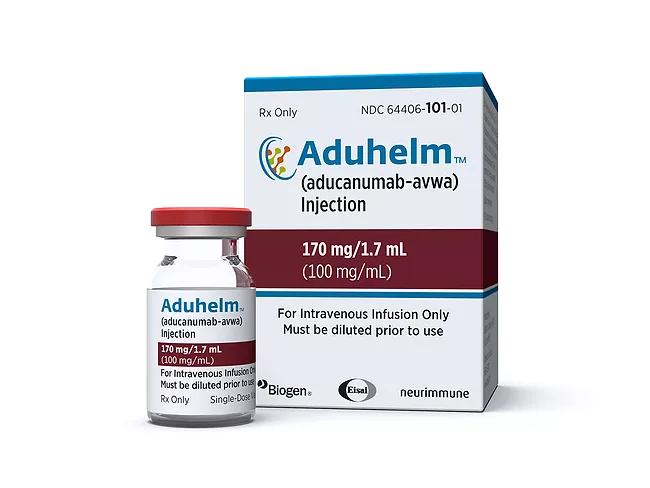
Biogen Inc.’s pricing of its newly approved Alzheimer’s drug, Aduhelm (aducanumab), has made it the latest bull’s eye for lawmakers and advocacy groups targeting U.S. drug prices, especially given the controversy surrounding the drug’s approval, which has resulted in the resignation of three of the 11 members of the FDA’s Peripheral and Central Nervous System Drugs Advisory Committee.

 RSS
RSS