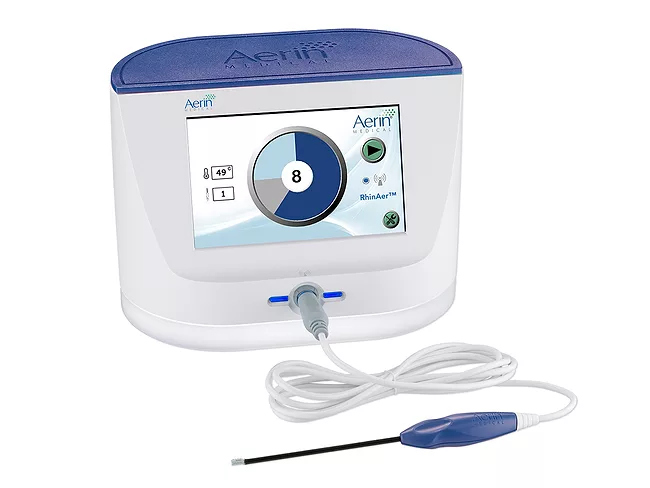
Aerin Medical Inc., an Austin, Texas-based company focused on minimally invasive solutions for chronic nasal conditions, has won U.S. FDA clearance for the Rhinaer Stylus to treat chronic rhinitis. The Rhinaer procedure can be performed under a local anesthetic in an ear, nose and throat (ENT) physician’s office, with no incisions and minimal discomfort.
The latest global regulatory news, changes and updates affecting medical devices and technologies, including: American Clinical Laboratory Association, DNA Technologies, Texas Instruments, Dialog Semiconductors, Telink Semiconductors.
With an eye toward helping those with early stage hepatocellular carcinoma (HCC), Basel, Switzerland-based Roche Group has won a breakthrough device designation from the U.S. FDA for the Elecsys GALAD score. When combined with ultrasound, the Elecsys GALAD score aims to help provide more accurate information for clinicians to treat patients at an earlier stage.
HONG KONG – Japan cuts medical device prices every two years to manage increasing health care costs. This year, the biennial medical device price cut will take effect beginning on April 1, 2020.
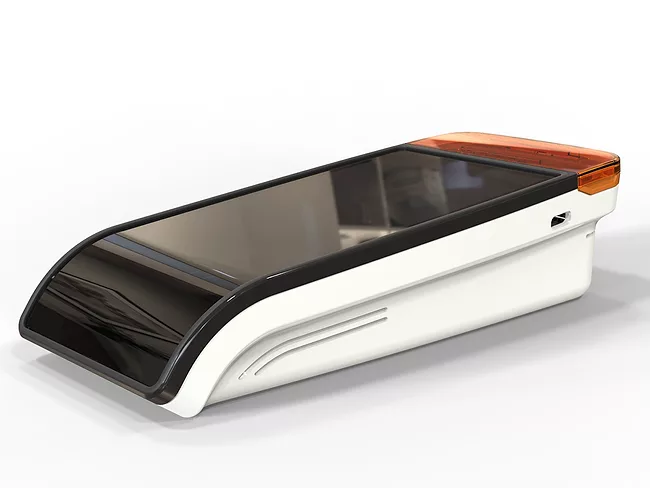
With trauma patients and those suffering from bleeding disorders, being able to quickly assess a person’s bleeding risk can be lifesaving, but most current tests to measure clotting ability are laboratory-based and don’t provide immediate results. To that end, the U.S. FDA has granted Cleveland-based Xatek Inc. breakthrough device designation for its Clotchip portable blood clotting sensor.
BOGOTA, Colombia – Argentina is the latest member of an international medical devices regulatory group. Joining the group could help the country speed up approvals and help the market for medical technology improve.
Against the backdrop of the global spread of COVID-19, India announced restrictions Tuesday on the export of 26 active pharmaceutical ingredients (APIs) and formulations of those ingredients.
Synaptive Medical Inc., of Toronto, has secured Health Canada’s approval for Evry, the company’s superconducting head magnetic resonance imaging (MRI) system. The Evry system aims to provide imaging directly at the point of care in areas outside diagnostic imaging departments.
 RSS
RSS