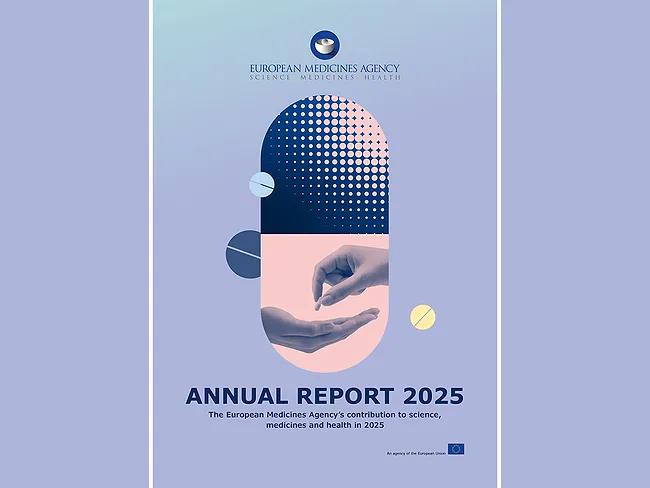
The EMA’s 2025 annual report highlights the pressure it is under to streamline and simplify assessment processes, and the expanded – and explicit – role the agency now has in boosting the competitive position of the EU in the development and manufacturing of drugs.
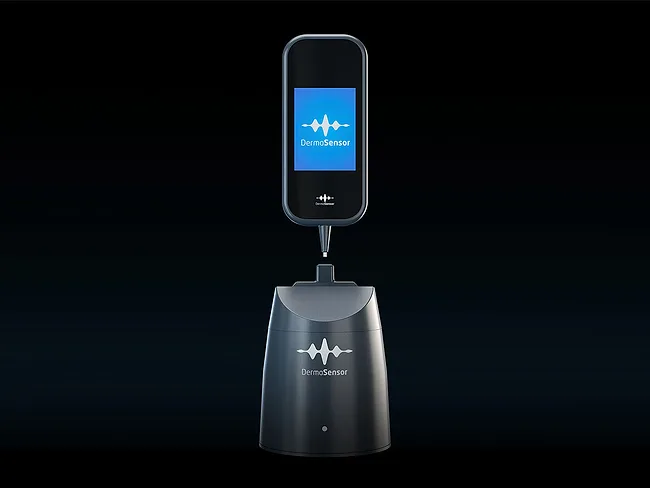
Dermasensor Inc. received CE mark approval for its handheld skin cancer detection device using spectroscopy and AI to test suspicious skin lesions for cancer in real time at the point of care. The device is designed to help qualified healthcare professionals decide whether suspicious skin lesions need further investigation. With skin cancer rates rising, the Dermasensor joins several other AI-based tools entering the European market to help with the analysis of suspicious lesions.
Rather than reinventing the wheel for every gene therapy that uses genome editing, the U.S. FDA is advising sponsors on leveraging existing knowledge, be it publicly available or platform-based, to more efficiently advance their products across multiple stages of development.
The Trump administration’s efforts to ensure U.S. federal grants align with its policies may soon be coming to fruition. The White House Office of Management and Budget released a proposed rulemaking to revise its Guidance for Federal Financial Assistance.
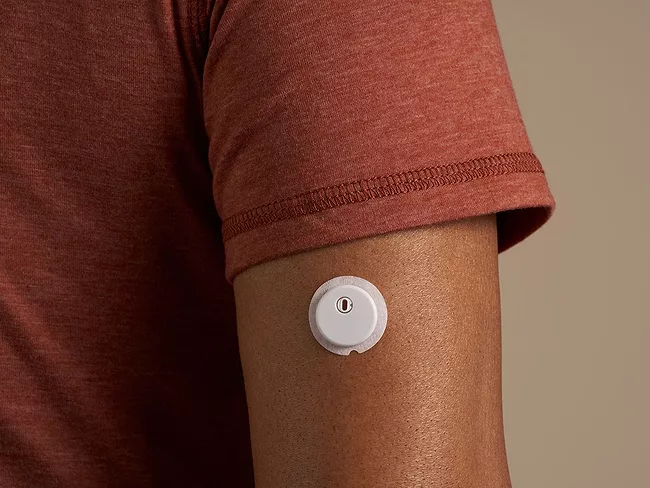
Abbott Laboratories received CE mark approval for two dual glucose and ketone sensing systems, bringing to the market sensors that could be transformational to the lives of people with diabetes at risk of diabetic ketoacidosis.
The short story of the U.S. Court of Appeals for the Federal Circuit’s May 19 opinion in Recor Medical Inc. v. Medtronic Ireland is that the lower court got it wrong when it ruled Medtronic lacked the required standing to bring an infringement countersuit against Recor because it had granted an exclusive license for products covered by the two asserted patents. The case was reversed and remanded.
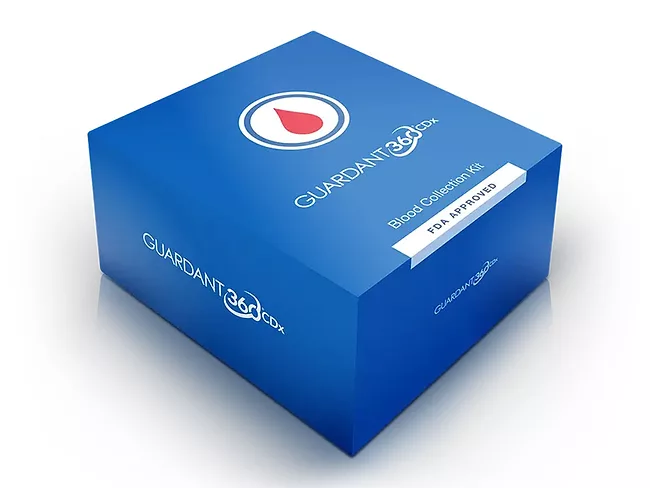
The evolution of cancer diagnostics continues with the FDA’s May 20 approval of Guardant Health Inc.’s Guardant360 Liquid cDx. The new blood-based comprehensive genomic test assesses a 100-times wider genomic footprint than the previously approved Guardant360 cDx to deliver comprehensive tumor profiling results, according to the company. It noted that the seven companion diagnostic indications already approved for the older test will transfer to the new one.
Of all the issues that could be on the table at the talks between U.S. President Donald Trump and China President Xi Jinping, the life sciences sector is the “sweet spot” for collaboration between the two countries in a way that would benefit the world, Sen. Thom Tillis, R-N.C., said in a Brookings Institution webinar in advance of the two-day summit that starts May 14.
On the heels of the ouster of Marty Makary as the U.S. FDA commissioner and the serial leadership vacancies at the CDC and the FDA’s drugs and biologics centers, the government’s adherence to science took another blow May 16 when Sen. Bill Cassidy, R-La., lost the Louisiana primary, ending his bid for re-election.
The U.S. Patent and Trademark Office (USPTO) is driving home its message that inter partes reviews (IPRs) are not to be used in conjunction with court action presenting “inconsistent positions” as a litigation strategy.
 RSS
RSS