With CE-marked products accounting for about 90% of medical devices currently used in Great Britain, the Medicines and Healthcare products Regulatory Agency (MHRA) is considering proposals for a path forward that would help the U.K. achieve its goal of becoming a leading country for med-tech access by 2030.
A jury in a U.S. District Court unanimously found that Medtronic plc violated federal and state antitrust laws relating to its blood sealing surgical devices and must pay $382 million in damages to Applied Medical Resources Corp.
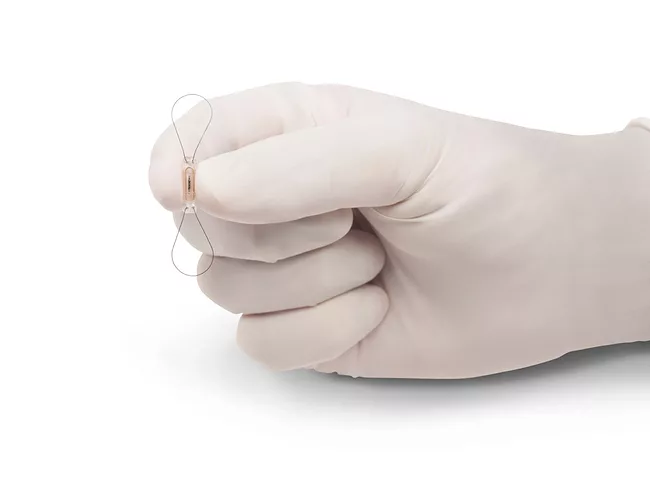
The U.K.’s National Institute for Health and Care Excellence (NICE) has recommended the use of Abbott Laboratories’ Cardiomems HF system, giving people living with heart failure an option to monitor their condition daily from home. The implantable wireless sensor could transform care for individuals with the chronic condition as it will enable them to catch early warning signs before they escalate to medical emergencies.
The U.S. FDA released the latest version of its premarket cybersecurity guidance regarding medical devices, replacing the 2025 edition and offering recommendations on implementing measures for preventing digital attacks or authorized access.
A new draft guidance for organ procurement organizations doing business in the U.S. would seem to tackle some pressing issues with organ donation, such as the conditions in which a problem qualifies as an adverse event. Perhaps of greater interest to companies in the organ container business is that the Centers for Medicare & Medicaid Services is intent on increasing the availability of organ donations to deal with an insatiable demand for donated organs.
En Carta Diagnostics SA's EC Pocket Lyme received FDA breakthrough device designation for its rapid, molecular diagnostic test for the early detection of Borrelia bacteria, which causes Lyme disease. The designation marks a pivotal step for the French startup as it will enable closer interaction with the agency, accelerating its route to market, and getting it to patients sooner.
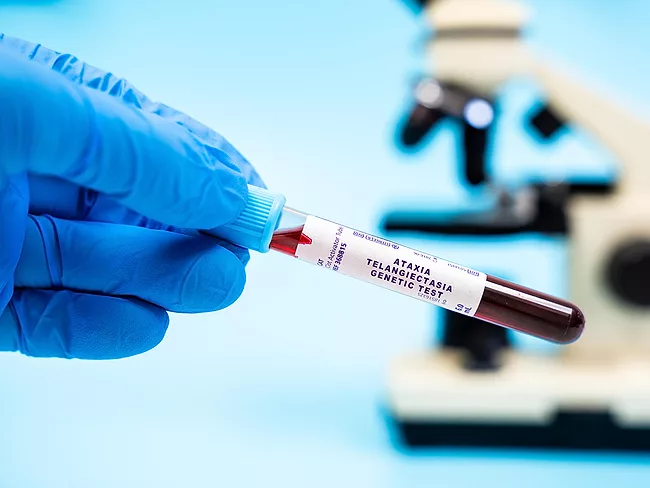
A Jan. 28 report on Medicare spending on lab tests indicated that spending on many types of tests flattened between 2022 and 2024, but spending on genetic tests rose 20% between 2023 and 2024 to $3.6 billion. While the report does not specifically call out fraud as a driver of spending, the U.S. Department of Justice posted a Jan. 26 press release identifying a case of Medicare gene testing fraud that amounted to $52 million, just one of several recent examples of this kind of fraud.
Third-party litigation funding in Europe has created enough of a stir that several trade associations issued a joint statement making the case that the unregulated nature of these funding agreements is increasing the cost of doing business in a region that is already quite expensive.
The U.S. FDA’s October 2025 draft guidance for quality management system information in premarket filings may have struck some observers as an example of regulatory overreach, given the robust opposition to several key aspects of the draft on the parts of the Advanced Medical Technology Association and the Medical Device Manufacturers Association.
The U.S. FDA’s Center for Biologics Evaluation and Research posted four warning letters to makers of HIV sample collection kits, an example of a shift in FDA enforcement in the IVD space that is still allowed after a historical loss in court.

 RSS
RSS