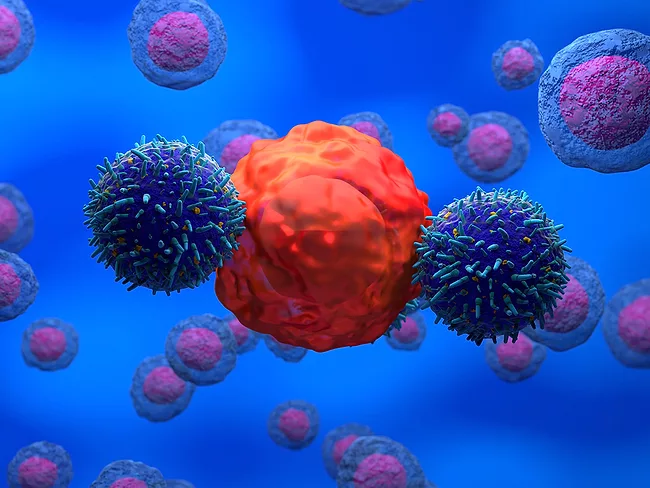
SN Bioscience Co. Ltd., headquartered in Seongnam-si, Gyeonggi-do’s second Pangyo Valley, gained U.S. FDA fast track designation for SNB-101 (SN-38), its new polymer nanoparticle cancer drug candidate for small-cell lung cancer.
In a May 8 Senate hearing, U.S. FDA commissioner Bob Califf described the agency’s advisory committee process as a useful source of information, but Califf reassured members of the Senate that the FDA is not intent in doing away with advisory hearing votes altogether.
Right on cue, the U.S. FDA’s Center for Drug Evaluation and Research (CDER) is scheduling its first in-person advisory committee meetings since the COVID-19 pandemic. Speaking during a May 6 webinar hosted by the Alliance for a Stronger FDA, CDER Director Patrizia Cavazzoni said the center was preparing to go back to in-person adcoms, adding that the first step likely would be a hybrid model.
The theft of 110 units of a study drug containing a Schedule III controlled substance resulted in a warning letter from the U.S. FDA. Addressed to the clinical investigator, Kevin Bender, of the Tamarac, Fla.-based DBC Research Corp., the May 2 letter should serve as a reminder to all trial investigators handling controlled substances.
Despite what University of Pennsylvania (Penn) immunotherapy pioneer Carl June referred to as a “cold slap last November” – a launched investigation by the U.S. FDA into a possible link between CAR T-cell immunotherapies and secondary cancers – new unpublished studies by Penn and Stanford University highlight the rarity of such cases.
Checking off another item on its PDUFA VII to-do list, the U.S. FDA is releasing a draft guidance on using a logic model framework for risk evaluation and mitigation strategies (REMS).
Just a few days after the U.S. Congressional Research Service issued a report suggesting ways Congress could resolve the unanswered questions about patent listings in the FDA’s Orange Book, the FTC sent a second round of warning letters to eight biopharma companies and their subsidiaries, citing the listing of device patents for combination products.
The U.S. FDA’s senior managers often lament the lack of routine increases in taxpayer funding, a concern that Michael Rogers, the associate FDA commissioner for regulatory affairs, reiterated during a May 1 webinar. Rogers said the agency’s field inspectorate will be working through a large number of retirements over the next few years, a predicament he said will continue to be “a huge challenge” to overcome.
Ten days early, the U.S. FDA granted full approval under priority review to Pfizer Inc. and Genmab A/S’s antibody-drug conjugate Tivdak (tisotumab vedotin) to treat cervical cancer.
It’s been a year since U.S. FDA Commissioner Robert Califf first started talking about reforming the agency’s advisory committee process. Now the FDA is moving beyond talking about it to listening. The agency has scheduled an all-day listening session June 13 to get feedback on optimizing the use of adcoms and the processes involved.
 RSS
RSS