Intercept Pharmaceuticals Inc.’s second attempt to score an expanded U.S. FDA approval of its farnesoid X receptor agonist, obeticholic acid, in patients with non-alcoholic steatohepatitis (NASH) went the way of the first, with the agency issuing another complete response letter (CRL), prompting the company to drop all NASH-related investment and cut a third of its workforce.
The U.S. FDA reported a pilot program for validation of lab-developed tests (LDTs) used as companion diagnostics, a move that seems an implicit recognition that test kits as CDx products are not the darlings of test developers. The program arrives as the agency is considering rulemaking for regulation of LDTs, however, a combination of developments that promises to roil the already strained relationship between the FDA and clinical labs.
Sarepta Therapeutics Inc. is set to introduce the first gene transfer therapy for ambulatory patients diagnosed with Duchenne muscular dystrophy (DMD), after the U.S. FDA granted accelerated approval to SRP-9001 (delandistrogene moxeparvovec). Branded Elevidys, the therapy marks Sarepta’s fourth approved treatment for DMD and the first to offer patients a one-time treatment option.
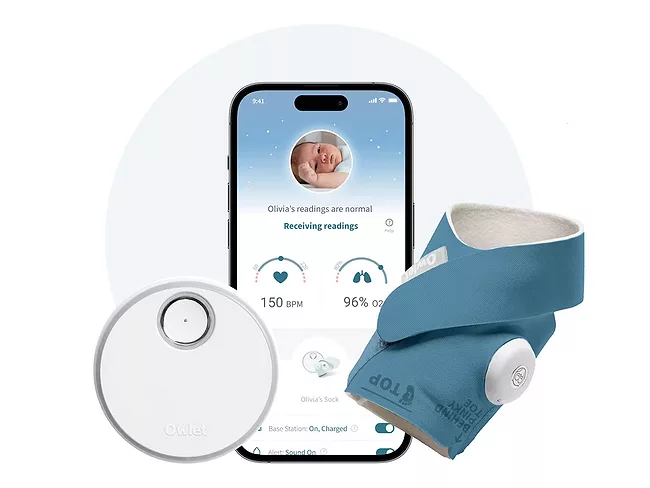
In a wise move from Owlet Inc.’s point of view, the U.S. FDA cleared the company’s Babysat pulse oximetry sock for infants. The wire-free sock design permits safe and comfortable medical-grade monitoring for infants who might otherwise require extended hospitalization.
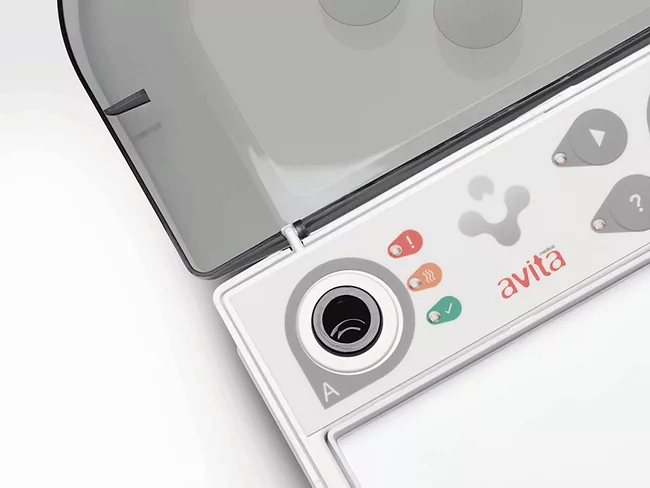
In its second approval this month from the U.S. FDA, Avita Medical Inc.’s Recell system received premarket approval for the repigmentation of stable depigmented vitiligo lesions. The approval marks the first therapeutic device offering a one-time treatment for vitiligo at the point of care. Using the device, a clinician prepares and delivers autologous skin cells from pigmented skin to stable depigmented areas.
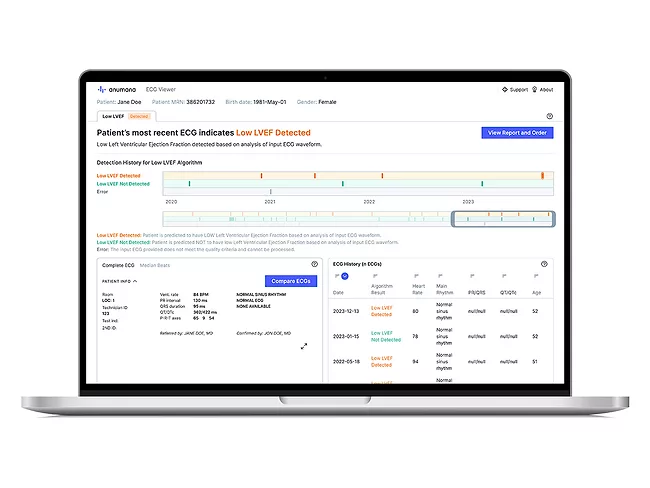
Anumana Inc. has garnered a U.S. FDA breakthrough device designation for its artificial intelligence (AI)-powered electrocardiogram-based algorithm for early identification of cardiac amyloidosis. The ECG-AI detection algorithm is the fourth from the company and its partners to notch breakthrough status.
Replay Holdings LLC and The University of Texas MD Anderson Cancer Center have announced that the FDA has cleared the IND application for NY-ESO-1 TCR/IL-15 NK, an engineered T-cell receptor natural killer (TCR-NK) cell therapy for advanced synovial sarcoma and myxoid/round cell liposarcoma.
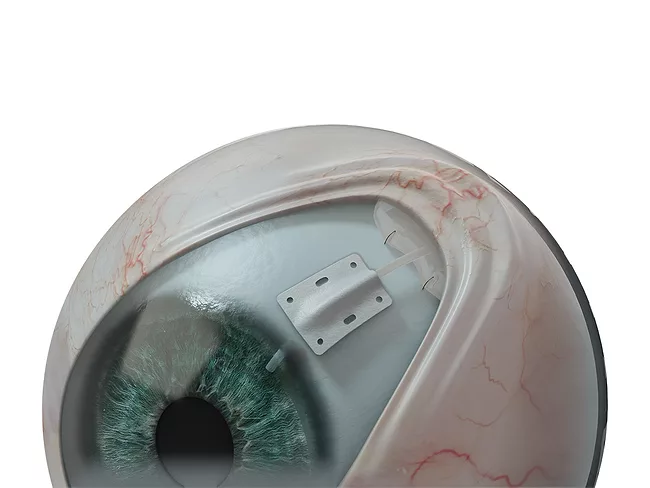
The U.S FDA 510(k) clearance for Corneat Vision Ltd.’s Everpatch is a “safety stamp” for the product, and the “first step’ in the deployment of Corneat’s synthetic tissue substitute technology, which could displace the use of donor and processed tissue, Almog Aley-Raz, CEO of Corneat, told BioWorld. The Corneat Everpatch, for use in ophthalmic surgeries, is the first non-degradable material that seamlessly embeds itself with surrounding tissue avoiding foreign body response often triggered by implanted devices, Aley-Raz claimed.
Whoever said beauty is only skin deep hasn’t looked below to see what Sientra Inc. has made available there recently. The medical aesthetics company now boasts the only tissue expander cleared in the U.S. for exposure to magnetic resonance imaging, an important screening tool for breast reconstruction patients. Sientra’s CTO Denise Dajles told BioWorld the newly cleared Allox2 Pro Tissue Expander builds on the original expander also cleared by the FDA. “No other expander in the market has an MRI compatibility indication because they are based on a metal, i.e., metallic ports and big magnets in them,” Dajles explained.
TG Immunopharma Co. Ltd. has announced clearance by the FDA for a clinical trial of TGI-6, a bispecific antibody targeting unique tumor-associated antigens (TAA) and CD3 molecules simultaneously, for solid tumors.

 RSS
RSS