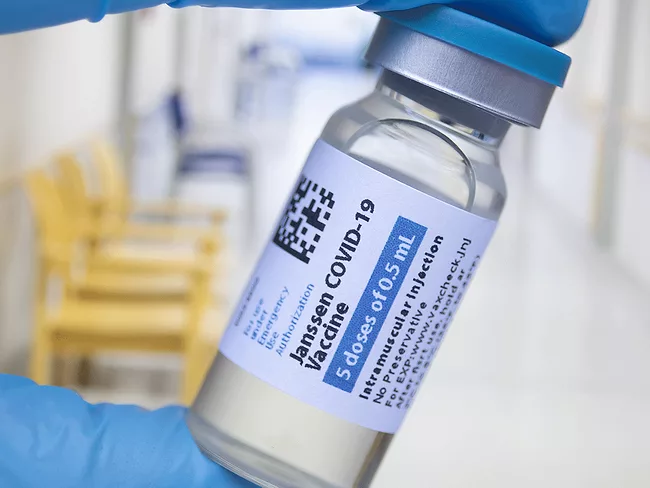
The U.S. isn’t the only country tossing COVID-19 vaccines due to potential cross-contamination of the drug substances manufactured at an Emergent Biosolutions Inc. plant.
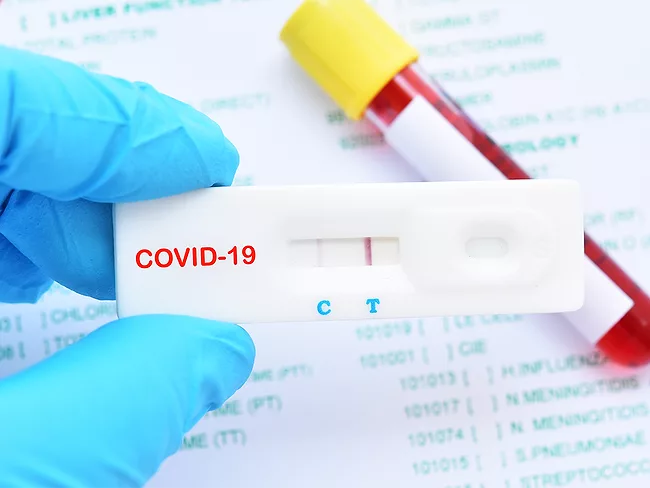
The FDA issued a June 10 warning letter to Innova Medical Group Inc. in connection with the company’s rapid antigen tests for the SARS-CoV-2 virus, an action that accompanies a class I recall and a safety communication.
The FDA has authorized two batches of Johnson & Johnson’s COVID-19 vaccine from a troubled Emergent Biosolutions Inc. manufacturing facility to be made available under emergency use authorization (EUA) while determining that several other batches were unsuitable for use. While the FDA would not confirm the number of unsuitable batches, the newly authorized batches, however, can be used in the U.S. or exported.
The FDA granted Neurescue a "two-fer" on its intelligent balloon catheter for aortic occlusion with 510(k) clearance for emergency control of hemorrhage and investigational device exemption for use in cardiac arrest. By inflating a soft balloon at diaphragm level, the device dramatically increases perfusion to the heart, brain and lungs within a minute of deployment via the femoral artery.
Of all the controversies surrounding the FDA, the agency’s reliance on user fees and its use of accelerated review of therapies might be the most consistent sources of public angst. Coleen Klasmeier, a partner of Sidley Austin LLP, told BioWorld that while she is not particularly concerned about regulatory capture stemming from FDA reliance on user fees, it may be appropriate to ask whether the drug premarket review process leaves FDA staff with more confidence in a new drug application than the data would seem to suggest.
Medtronic plc snagged FDA premarket approval for its recharge-free implantable neurostimulator (INS), Vanta, for patients with intractable pain. The spinal cord stimulator offers up to 11 years of device life, with optimal programming. That represents a 10% improvement on the Dublin-based company’s previous longest-lasting INS, Primeadvanced, and a near doubling of device life compared to Abbott Laboratories’ Proclaim and Boston Scientific Corp.’s Wavewriter Alpha, using the settings recommended in the clinician manuals.
The good of the many versus the good of the individual is the age-old question that faced the FDA’s Vaccines and Related Products Advisory Committee (VRPAC) June 10 as it considered the risk-benefit issues of COVID-19 vaccines in children. Panelist Cody Meissner, director of pediatric infectious disease at Tufts Medical Center, said while he believes a vaccine is needed for children, he wants to know that the safety of the vaccine is greater than the risk of hospitalization for people younger than 18.
The FDA’s Center for Devices and Radiological Health (CDRH) issued a new document on June 8 responding to the National Institute of Standards and Technology (NIST) call for position papers to fulfill the President’s Executive Order on improving the federal government’s cybersecurity. It details how CDRH is planning to do its part to advance the shared goal within medical devices.
Developers of blood tests for the early diagnosis of Alzheimer’s disease (AD) are poised to see a spike in demand, following the FDA’s accelerated approval on Tuesday of Cambridge, Mass.-based Biogen Inc.’s AD drug treatment Aduhelm (aducanumab). The FDA’s decision paves the way for AD assays to move beyond aiding in drug development toward addressing ongoing issues with undiagnosed cases.
Cymedica Orthopedics Inc. received FDA clearance for its Intellihab system to reduce pain associated with osteoarthritis in the knee. The system uses neuromuscular electrical stimulation to strengthen muscles supporting the knee without requiring typical exercises such as squats that could increase pain and further degrade the joint. Intellihab includes a knee brace that emits the pulses and a smartphone app patients use to track and manage the therapy.

 RSS
RSS