As the COVID-19 pandemic continues to impact the FDA’s inspection program, U.S. lawmakers are worrying about what that may mean for future drug approvals.
“We are . . . concerned that we have not yet seen the full impact of delayed inspections, particularly in the case of preapproval inspections,” the bipartisan leadership of the House Energy and Commerce Committee and its Health Subcommittee said in a July 22 letter to acting FDA Commissioner Janet Woodcock.
Shares of Iterum Therapeutics plc fell 40% July 26 after disclosing that the FDA issued a complete response letter (CRL) for its NDA for sulopenem etzadroxil/probenecid (oral sulopenem), an anti-infective compound, for urinary tract infections (UTIs). The agency determined the NDA cannot be approved in its present form.
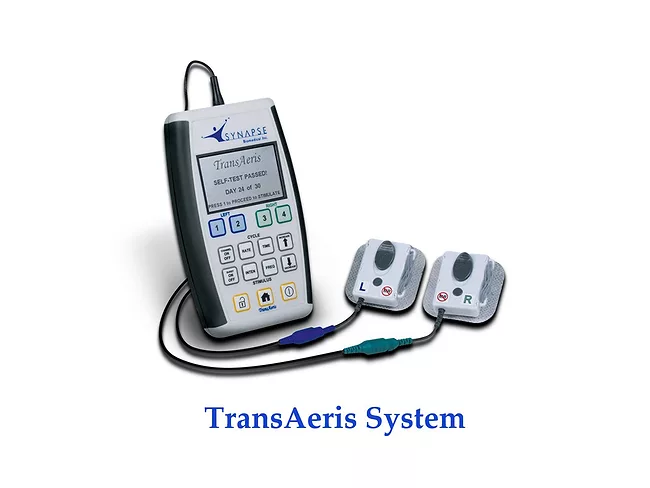
Synapse Biomedical Inc. has won breakthrough device designation from the FDA for its Transaeris system, a diaphragm pacing system (DPS) for use in weaning patients off mechanical ventilation. The minimally invasive device has been in use during the COVID-19 pandemic under an emergency use authorization to prevent ventilator-induced diaphragm dysfunction – a condition that occurs following mechanical ventilation, which leaves the diaphragm weak from disuse.
The FDA is working toward a rewrite of its Quality Systems Regulation (QSR) and ISO 13485, the internationally recognized quality management standard, but that project has yet to produce a draft rule despite several years of effort. The FDA’s Vidya Gopal highlighted the differences between the two approaches to questions such as management responsibility and staff resources, just two of many differences that will prove difficult to reconcile in any regulatory harmonization effort.
The U.S. Federal Trade Commission (FTC) had previously reported it would more tightly scrutinize mergers and acquisitions with an eye toward the impact on competition, and voted July 21 to expand its authority to review these activities. The agency also voted to eliminate restrictions by original equipment manufacturers (OEMs) on servicing of their devices, thus putting both drug and device makers on alert that much more rigorous FTC enforcement has arrived.
PERTH, Australia – The FDA gave the thumbs up to Omniscient Neurotechnology Ltd.’s Quicktome, the first brain connectomics planning software that provides neurosurgeons with a digital brain mapping platform to visualize and understand a patient's brain networks before performing brain surgery. By visualizing networks that are responsible for complex functions such as language, movement, and cognition, Quicktome assists neurosurgeons in making more informed decisions and reduces surgical uncertainty.
More than a decade after the Biologics Price Competition and Innovation Act became law and nearly six years after the first biosimilar launched in the U.S., the country’s first potential interchangeable is on deck awaiting an FDA decision.
The FDA granted breakthrough device designation to Royal Philips NV for its laser-assisted inferior vena cava (IVC) filter removal device. The Amsterdam-based company designed the device to ablate tissue for removing an IVC filter when previous methods of removal have already failed.
The medical device development tool (MDDT) may come across as so much regulatory esoterica of little utility to most device makers, but that perspective might be unduly pessimistic. The FDA’s Edward Margerrison, director of the Office of Science and Engineering Laboratories, said the agency is intent on making MDDTs as ordinary as possible to allow device makers to do what they do best, which is to focus on making the best device they can.
Fibromyalgia is an often debilitating condition, characterized by chronic pain throughout the body that can leave patients fatigued, depressed and unable to perform even the simplest of activities. While a handful of drugs have been approved to treat this autoimmune disorder, they can have unpleasant side effects and do not benefit all patients. To that end, the FDA has granted a breakthrough device designation to Neurometrix Inc.’s Quell wearable neurostimulation device for treating the symptoms of fibromyalgia in adults.

 RSS
RSS