TORONTO – Western New York Imaging Group, a one-hour drive across the U.S.-Canadian border, will soon be the site for a hard launch of Champ, a system developed by Voxneuro Inc. that evaluates suspected cognitive brain disorder or symptoms such as fatigue, memory loss or brain fog. This comes after Voxneuro won FDA registration of the cognitive platform as a class II exempt medical license, followed last month by Health Canada approval of the system for help diagnosing concussion, traumatic brain injury and dementia.
Merck & Co. Inc.'s $1.05 billion acquisition of Peloton Therapeutics Inc. in 2019, a big bet on the hypoxia inducible factor-2 alpha inhibitor belzutifan, has paid off with an earlier-than-anticipated FDA approval of the drug for cancers associated with von Hippel-Lindau disease. The therapy will be marketed as Welireg.
As we’ve all undoubtedly noticed, the FDA commissioner’s chair is conspicuously absent a duly deputized occupant, and a number of reasons have been offered to explain that. Some of these, such as the COVID-19 pandemic, will eventually give way, but some of the drag is unrelated to temporary issues, which is the more worrisome part of the problem.
An unexpected complete response letter (CRL) from the FDA has thrown a wrench into Sesen Bio Inc.’s commercial launch plans for Vicineum (oportuzumab monatox) in high-risk BCG-unresponsive non-muscle invasive bladder cancer (NMIBC). The company, which has spent the past few months completing its commercial build phase and hiring sales reps ahead of the Aug. 18 PDUFA date, instead must now address outstanding clinical and statistical data and analyses, in addition to CMC issues, cited in the CRL.
The FDA has made allowances for a third COVID-19 vaccine dose to protect certain adults with compromised immune systems. The amended emergency use authorization amendments allow for booster doses of mRNA vaccines from Pfizer Inc.-Biontech SE and Moderna Inc.
According to the White House, the FDA is poised to allow COVID-19 booster shots from Pfizer Inc. and Moderna Inc., the two mRNA vaccines, but only for those people with compromised immune systems. The FDA announcement was anticipated to be as early as today, Aug. 12, and the boosters could be available as quickly as this coming weekend.
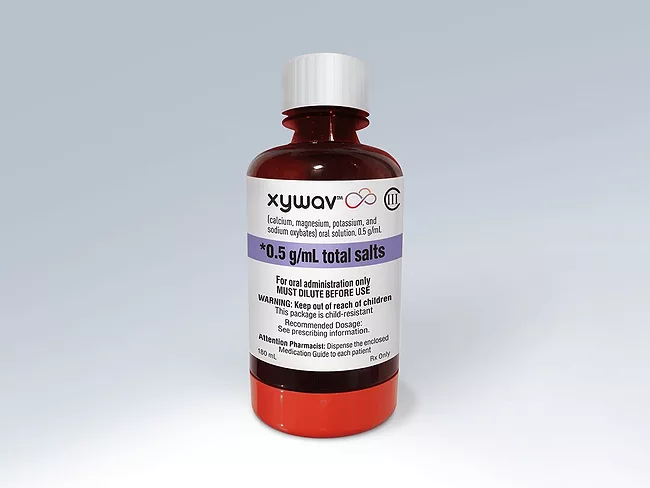
With generic competition on the horizon for its older sleep disorder drug Xyrem, Jazz Pharmaceuticals plc gained an added indication for its GABA B receptor agonist Xywav as the FDA approved it for idiopathic hypersomnia.
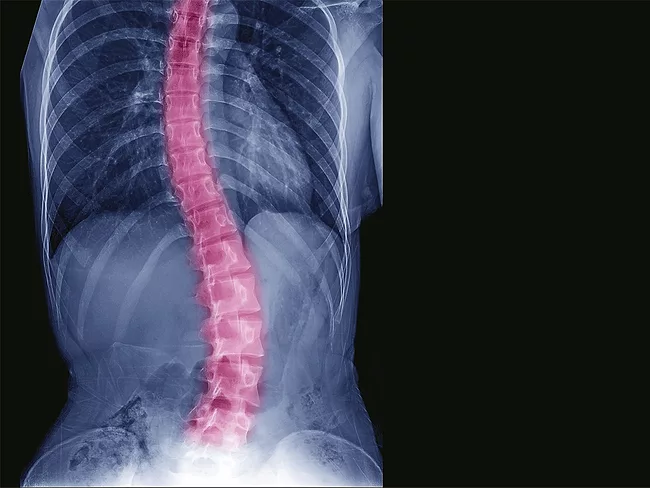
Auctus Surgical Inc. took another step toward straightening out one of the most vexing problems in pediatric scoliosis with the announcement of FDA breakthrough device designation for its vertebral tethering system. The system offers a non-surgical option to correct spinal curvature without use of fusion or braces and its dynamic magnetic technology enables adjustment as a child grows, avoiding the overcorrection that plagues the only other tethering system currently available.
The FDA’s device center has generated a raft of warning letters for products related to the COVID-19 pandemic, and released another six such letters for the week of Aug. 9. However, the ostensible justification for those warnings varies considerably, as does the elapsed time between the date of the warning letter and its issuance on the FDA’s warning letter webpage.
The FDA’s latest version of the intended use rule is a complex, 61-page document that cleaned up a few things from the previous version and added a phrase or two to the regulatory lexicon. Randy Prebula, a partner in the D.C. office of Hogan Lovells U.S. LLP, told BioWorld that while the FDA left itself some wiggle room by avoiding a prescriptive use of language in the rule, the final rule is unlikely to be the final word on the intended use question.
 RSS
RSS